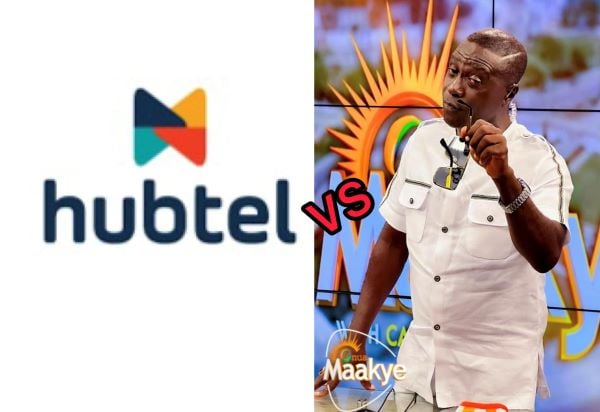
Hubtel Limited, a prominent fintech company in Ghana, has instigated legal action against Media General, the parent company of Onua TV, following serious allegations made by Captain Smart, the host of the Onua Maakye show. Captain Smart accused Hubtel of receiving a US$25 million transfer from the Electricity Company of Ghana (ECG) into its account, allegedly linked to funding for the New Patriotic Party’s (NPP) election campaign. This claim, made during his show on November 21, 2024, lacks any substantiated evidence and has led to significant reputational damage for Hubtel. The company’s legal representatives, Beyuo and Co, have formally requested an apology and a retraction of the allegations, labeling them as “false” and “maliciously published” by Captain Smart without any factual basis.
In his allegations, Captain Smart asserted that the current government had initially engaged Samuel Dubik Mahama, the former Managing Director of ECG, to facilitate the transfer of funds for Dr. Mahamudu Bawumia’s campaign. However, Mr. Mahama reportedly refused, which allegedly led to his removal from office. Captain Smart claims that this move then enabled the transfer of the US$25 million into Hubtel’s account, which was subsequently withdrawn and used for political campaigning. Notably, he failed to present any concrete evidence to support his serious claims, bringing into question the integrity and reliability of his statements, as well as whether they were intended simply as incitement rather than factual reporting.
The response from Hubtel’s counsel categorically disputes Captain Smart’s allegations. The letter clarifies that Hubtel did not receive any illicit funds from ECG and denies any association with political campaigning for Dr. Bawumia. Hubtel’s lawyers articulated that such statements inherently imply the company is engaged in corruption and criminal misconduct. By associating Hubtel with wrongdoing, Captain Smart has purportedly undermined the company’s reputation and integrity, as these claims suggest involvement in embezzlement and the diversion of public funds, casting a shadow over its operations in the eyes of potential clients and the general public.
The communication from Hubtel emphasizes the severity of the claims made by Captain Smart and their potential to harm the company significantly. It asserts that the allegations were designed to tarnish Hubtel’s reputation unjustly and convey that the company was complicit in corrupt practices. The letter articulates that false statements of this nature not only affect Hubtel but also diminish public trust in responsible corporate governance and ethical business conduct in the fintech sector. Given the sensitive nature of political financing in Ghana, any such claims carry considerable weight and repercussions.
As a means of redress, Hubtel has outlined its demands clearly. The company is seeking a public retraction of the allegations made by Captain Smart to be issued through the same media channel within seven days of receiving their letter. Furthermore, they are insisting on a written apology to be delivered within three days, and they desire this apology to be preserved on Media General’s website for public access. Hubtel stresses that the wording of the retraction and apology should be mutually agreed upon by both parties before it is made public, underscoring the seriousness with which it views the disparaging remarks made against it.
Lastly, the letter from Hubtel’s lawyers warns that should Media General and Captain Smart fail to meet these demands, they risk facing legal action for defamation. The situation puts a spotlight on the critical importance of responsible journalism and due diligence when making public statements, especially those that involve allegations of corruption or criminal activity. As the case progresses, it highlights the balance between free expression and the potential harm caused by unverified claims, particularly in the context of political discourse in Ghana. This incident serves as a poignant reminder of the care that should be taken when addressing sensitive matters that have significant implications for individuals and organizations alike.