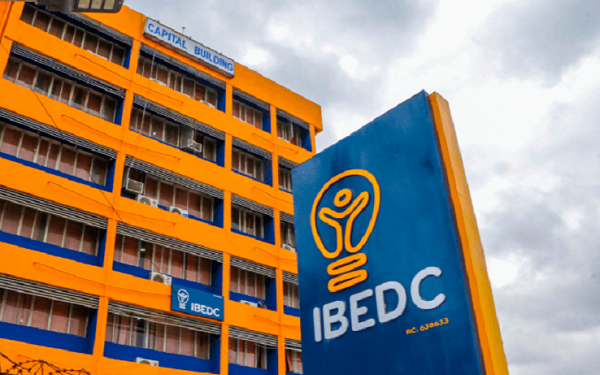
The Ibadan Electricity Distribution Company (IBEDC) has ignited a firestorm of controversy by implementing a new policy that mandates minimum energy credit purchases for its customers. Band A customers, typically those with higher consumption rates, are now required to purchase a minimum of N5,000 worth of electricity credit, while customers on other bands face a N2,000 minimum. This abrupt shift from the previous system, where customers could purchase credit in any amount, has drawn sharp criticism from consumer advocacy groups who argue that the policy infringes upon consumer rights and lacks regulatory backing. The IBEDC’s justification for the policy centers on curbing energy theft, a pervasive problem within the Nigerian power sector. However, the company has offered scant details on how this new payment structure will achieve that goal, leaving consumer groups and experts skeptical.
The IBEDC’s rationale, as explained by an unnamed company official, revolves around the observation that some customers were vending suspiciously low amounts of credit, amounts deemed insufficient for a month’s usage. The official cited the example of a Band A customer purchasing 50 units, equivalent to N10,450 excluding VAT, which they argued translates to less than two units of electricity consumed per day – an implausible scenario in their view. This low consumption, according to the IBEDC, suggests potential meter bypass and other forms of energy theft. While acknowledging the challenges of energy theft, consumer advocates argue that this blanket policy punishes all customers, regardless of their consumption patterns, and fails to address the root causes of the problem.
Consumer advocacy groups have vehemently opposed the new policy, branding it as an infringement on consumer choice and a potential catalyst for legal action. Adeola Samuel-Ilori, National Coordinator of the All Electricity Consumers Forum, has called for the immediate reversal of the policy, emphasizing that access to electricity is a right, not a privilege. He argues that the policy disregards the varying purchasing power of consumers and threatens legal challenges if the IBEDC fails to comply. This sentiment is echoed by other consumer groups who see the policy as an overreach of the IBEDC’s authority and a departure from established consumer protection principles.
Experts in the power sector have also questioned the legality and efficacy of the IBEDC’s policy. Adetayo Adegbemle, Convener of PowerUp Nigeria, points out the lack of regulatory support for such limitations within the Nigerian Electricity Regulatory Commission’s (NERC) guidelines. He expresses concern that the policy, while ostensibly aimed at boosting revenue collection, could inadvertently exacerbate energy theft by forcing consumers to seek alternative, potentially illegal, means of accessing electricity. This perspective highlights the unintended consequences of such policies and the need for a more nuanced approach to tackling energy theft.
The controversy surrounding the IBEDC’s policy has escalated to the point where regulatory bodies are now involved. The Federal Competition And Consumer Protection Commission (FCCPC) and the Nigerian Electricity Regulatory Commission (NERC) have initiated investigations into the allegations of consumer rights violations. Kola Olubiyo, President of the Nigeria Consumer Protection Network, has condemned the policy as “monopolistic conscription,” arguing that it undermines the principles of a competitive electricity market and restricts consumer choice. This intervention from regulatory bodies signifies the seriousness of the issue and the potential for legal repercussions for the IBEDC.
The overarching concern expressed by consumer advocates and experts is the increasingly oppressive and anti-consumer trend within the Nigerian power sector. Princewill Okorie, Executive Director of the Electricity Consumer Protection Advocacy Centre, laments the disconnect between policy decisions and the realities faced by consumers. He questions the logic of compelling customers to purchase more electricity than they need or can afford, emphasizing the need for policies that protect consumer welfare and uphold civil liberties. The IBEDC’s minimum purchase requirement stands as a stark example of this disconnect, sparking a debate about the balance between addressing energy theft and respecting consumer rights within the Nigerian power sector.