





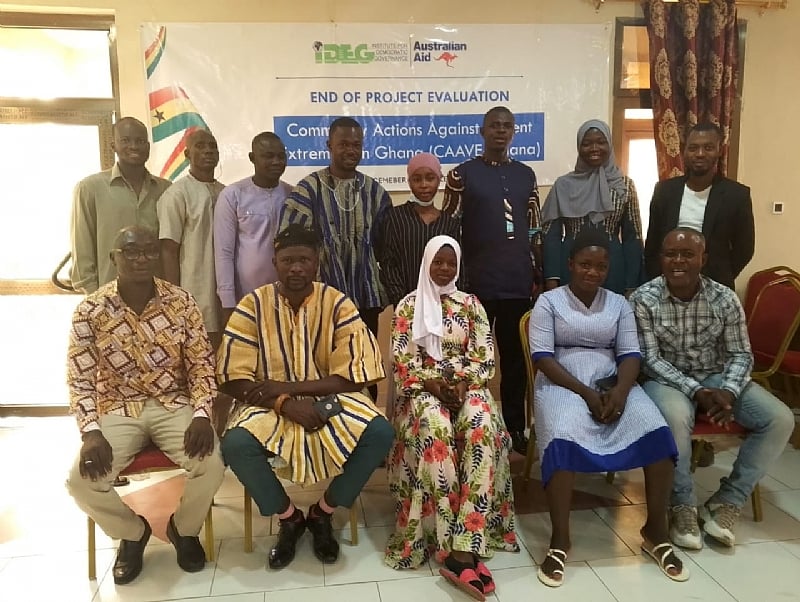
The Community Action Against Violent Extremism (CAAVE) Project: A Comprehensive Overview
The Institute for Democratic Governance (IDEG), with funding from the Australian government, implemented the Community Action Against Violent Extremism (CAAVE) project to address the escalating threat of violent extremism in Ghana’s northern border communities. These regions, particularly the Upper West and Savannah regions, are vulnerable to the spillover of extremist activities from neighboring countries like Burkina Faso and Ivory Coast. The project focused on empowering communities to identify and report suspicious activities, fostering collaboration among stakeholders, and promoting peaceful elections. This detailed examination explores the project’s implementation, achievements, challenges, and future prospects.
Empowering Border Communities: A Proactive Approach to Security
The CAAVE project strategically targeted vulnerable border communities such as Dabor, Wechiau, Bankpama, Mandari, Bole, and Doli. These areas, characterized by their proximity to international borders and diverse populations, are potential entry points for individuals with criminal intentions, including those associated with violent extremism. Recognizing the critical role of local engagement, IDEG collaborated closely with traditional leaders, local government officials, and security agencies to raise awareness and equip communities with the necessary tools to identify and address suspicious activities. This collaborative approach fostered a sense of ownership and responsibility within the communities, promoting proactive vigilance against potential threats.
Sensitization and Engagement: Building Community Resilience
The core of the CAAVE project revolved around comprehensive sensitization and engagement efforts. Community entry initiatives, town hall meetings, and targeted sensitization sessions were conducted to educate residents about the dangers of violent extremism and to empower them to play an active role in maintaining security. These initiatives focused on interactive dialogue and knowledge sharing, ensuring broad community participation and fostering a sense of collective responsibility. The success of these efforts was evident in the increased vigilance observed in communities like Wa West, where residents began questioning unfamiliar individuals and holding them accountable. One notable example highlighted the project’s impact: an assembly member in Bole apprehended a suspicious individual, leading to their deportation. This incident underscored the effectiveness of the project in empowering individuals to take action and contribute to community safety.
Impact and Achievements: Fostering Peace and Stability
The CAAVE project yielded several positive outcomes. The most significant achievement was the heightened community vigilance and the improved collaboration among stakeholders, including traditional leaders, local government officials, and security agencies. This enhanced cooperation created a more cohesive and responsive security network, strengthening the communities’ ability to address potential threats. The project also contributed significantly to peaceful electoral processes in Wa West and Bole districts. Community members, equipped with knowledge and awareness through the project’s sensitization efforts, were more alert and proactive in reporting suspicious activities and potential conflicts. This proactive approach contributed to a peaceful and transparent electoral environment, demonstrating the project’s broader impact on community stability and democratic processes.
Challenges and Lessons Learned: Navigating Complexities
Despite its successes, the CAAVE project encountered several challenges. Logistical difficulties, including poor road conditions and shortages of working tools and resources, hindered outreach efforts and impacted the project’s reach. Mobilizing stakeholders and coordinating schedules for community entry proved challenging, and overcrowding at town hall meetings and sensitization sessions sometimes limited effective engagement. Language barriers and disagreements during discussions on sensitive issues, such as the relationship between Fulani herders and farmers, presented additional challenges. Furthermore, the lack of consistent follow-up after training sessions hampered the reinforcement of knowledge and practices, potentially jeopardizing the long-term sustainability of the project’s impact.
Sustainability and Future Directions: Empowering Communities for Long-Term Security
Recognizing the importance of long-term impact, project coordinators emphasized the need for community ownership and sustainability. Mr. Watara, the Upper West Regional Coordinator for IDEG, stressed that community ownership is crucial for the project’s continued success, particularly in the face of potential funding constraints. He urged residents to take responsibility for maintaining vigilance and reporting suspicious activities, highlighting that community-led initiatives are essential for long-term security. The project’s future success hinges on addressing the identified challenges, particularly the need for enhanced follow-up mechanisms to reinforce learned practices and ensure that the knowledge and skills imparted by the project continue to benefit the communities.
Conclusion: A Model for Community-Based Security
The CAAVE project provides a valuable model for community-based approaches to countering violent extremism. By empowering local communities, fostering collaboration among stakeholders, and promoting proactive vigilance, the project demonstrated the effectiveness of bottom-up approaches to security. While challenges remain, the project’s successes highlight the importance of engaging communities as active partners in maintaining peace and stability. The lessons learned from the CAAVE project can inform future initiatives aimed at countering violent extremism in other vulnerable regions, emphasizing the importance of community ownership, sustained engagement, and addressing the specific needs and challenges of each context.








