









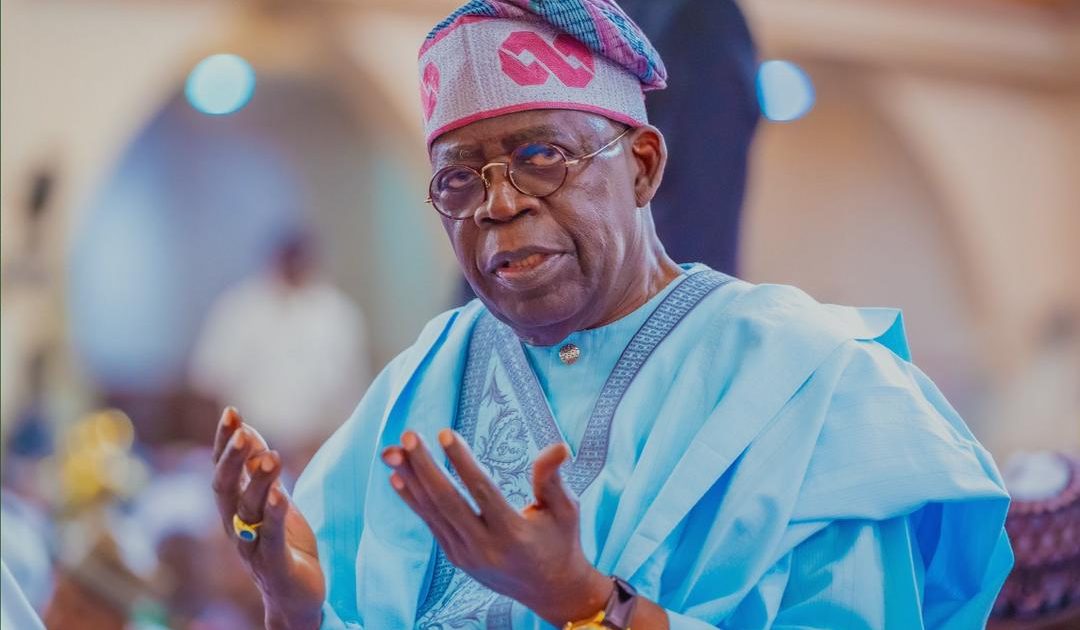
President Bola Ahmed Tinubu, the leader of Nigeria, observed Jumat prayers at the Lekki Central Mosque in Lagos State, marking his first public appearance since attending prayers at the Alausa Central Mosque the previous Friday. This visit, which took place during his holiday stay in Lagos following the presentation of the 2025 budget to the National Assembly, held significant meaning for both the president and the community. The reception he received, the prayers offered on his behalf, and the sentiments expressed by the Chief Imam underscore the weight of expectations placed upon his leadership. This event provided an opportunity for Tinubu to connect with the public and for the religious community to express their hopes for the nation’s future under his guidance.
Tinubu’s arrival at the mosque was marked by the presence of prominent figures, including the Deputy Governor of Lagos State, Obafemi Hamzat, and members of the mosque’s clergy, highlighting the importance attached to the president’s visit. The warm welcome he received reflects the respect and recognition he holds as the nation’s leader. The presence of government officials and religious leaders further emphasized the significance of the occasion, demonstrating the convergence of political and spiritual leadership in the community.
The Chief Imam of the Lekki Central Mosque, Ridhwan Jamiu, played a crucial role in the event, offering prayers for President Tinubu’s success in steering the country toward peace, security, and prosperity. Imam Jamiu’s words carried a weight of both expectation and encouragement. His acknowledgement of Tinubu’s past achievements and his plea for the president to uphold qualities of righteousness, fairness, and justice underscored the community’s hope for a just and prosperous future. The Imam’s reference to the shared name “Ahmed,” meaning “praiseworthy,” connects Tinubu to the Prophet Muhammad, implying a divine connection and emphasizing the importance of living up to this name through righteous actions.
The Imam’s reminder of the community’s support during the election campaign highlights the mandate given to Tinubu and reinforces the responsibility he holds to fulfill the promises he made. The prayer for his success in achieving peace, security, and prosperity reflects the nation’s yearning for stability and progress. The Imam’s words also serve as a gentle reminder of the public’s watchful eye and their expectation that Tinubu will live up to the trust placed in him. The emphasis on righteousness, fairness, and justice sets a moral compass for Tinubu’s presidency.
The president’s visit to the Lekki Central Mosque transcended a simple act of worship; it became a public display of faith and a moment of connection with the community. The prayers offered, the sentiments expressed, and the interactions that took place underscored the shared hopes and aspirations for the nation’s future. The event served as a platform to reaffirm the importance of religious values in public life and to emphasize the role of faith in guiding leadership. The occasion provided a moment of reflection and a reminder of the collective responsibility to work towards a better Nigeria.
The visit to the Lekki Central Mosque provided a glimpse into the multifaceted role of a leader. It demonstrated the need to balance political responsibilities with spiritual and communal engagement. The president’s presence at the mosque allowed him to connect with the people on a personal level, strengthening the bond between the leader and the led. It served as a potent reminder that leadership involves not only the formulation of policies and the execution of plans but also the cultivation of relationships and the fostering of a shared sense of purpose. The visit ultimately symbolized the interconnectedness of faith, politics, and community in shaping the future of the nation.









