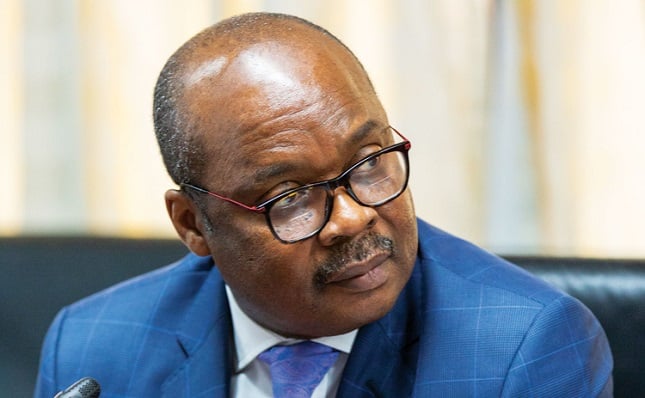
The revocation of the licenses of two Ghanaian indigenous banks, Capital Bank and UT Bank, in 2017, marked a significant turning point in the country’s financial sector. This action, as revealed by the Governor of the Bank of Ghana, Dr. Ernest Yedu Addison, was not solely a decision of the Ghanaian government but rather a direct consequence of stipulations imposed by the International Monetary Fund (IMF). These stipulations were part of a set of preconditions, termed “prior actions,” required by the IMF for the newly elected NPP government to re-enter negotiations for a bailout program already in progress. The IMF’s stance was firm: without the dissolution of these two banks, the IMF board would not even convene a meeting to discuss Ghana’s case, let alone disburse any funds. This placed the Ghanaian government in a precarious position, forcing the Bank of Ghana to comply with the IMF’s demands, despite the potential repercussions.
The revelation of the IMF’s influence underscores the complexities of international financial relations and the power dynamics at play. For the Ghanaian government, renegotiating the IMF deal was paramount, especially given the country’s economic challenges at the time. The IMF bailout represented a lifeline, offering much-needed financial support and stability. However, this support came at a cost, including the politically sensitive decision to revoke the licenses of two local banks. This decision, while undoubtedly difficult, highlights the difficult choices governments sometimes face when navigating international financial landscapes and seeking assistance from international institutions.
The revocation of Capital Bank and UT Bank’s licenses sent shockwaves through Ghana’s financial sector. The atmosphere at the Bankers’ Dinner that year was palpably tense, as Dr. Addison recounts, with an awareness that other banks were also facing challenges. The Bank of Ghana justified its actions by declaring both banks deeply insolvent, their liabilities outstripping their assets, rendering them unable to meet their financial obligations. Despite repeated attempts and agreements to implement corrective measures, the banks’ owners and managers failed to raise the necessary capital to address the insolvency. This failure, coupled with the IMF’s unwavering stance, sealed the fate of the two banks.
The Bank of Ghana’s intervention was portrayed as a necessary step to protect the interests of customers. Under a Purchase and Assumption transaction, GCB Bank absorbed the customers of both UT Bank and Capital Bank, ensuring the continuity of their banking services. This intervention, while aimed at mitigating the impact on individual customers, also served as a stark warning to other financial institutions about the importance of maintaining sound financial practices and adhering to regulatory requirements. It signaled a shift towards stricter oversight and a greater emphasis on financial stability within the sector.
In retrospect, the Governor of the Bank of Ghana considers the exercise to have been beneficial to the country’s financial sector. It paved the way for substantial reforms, including the introduction of new capital requirements aimed at strengthening the remaining banks and enhancing the overall resilience of the financial system. The clean-up of weak and insolvent banks, however painful in the short term, was seen as a necessary step to build a more robust and sustainable financial sector. This long-term perspective underscores the importance of sometimes making difficult decisions to achieve greater stability and prevent future crises.
The events surrounding the closure of Capital Bank and UT Bank provide valuable insights into the interplay between national governments and international financial institutions. It highlights the influence the IMF can wield in shaping economic policy within member countries, particularly those seeking financial assistance. While the IMF’s involvement can provide crucial support during times of economic hardship, it also comes with conditions that can have far-reaching consequences, as demonstrated by the case of these two Ghanaian banks. The experience underscores the delicate balance governments must strike between national interests and the requirements of international financial engagement.