Ghana’s recent economic struggles, marked by escalating debt, rampant inflation, and a depreciating currency, led the country to seek assistance from the International Monetary Fund (IMF). A $3 billion extended-credit facility was agreed upon in May 2023, designed to restore macroeconomic stability, ensure debt sustainability, and pave the way for inclusive growth. This program mandates fiscal discipline, targeting a primary budget surplus of 0.5% of GDP by the end of 2023 and a debt-to-GDP ratio of 55% by 2028. Integral to the program are structural reforms aimed at strengthening Ghana’s economic foundations.
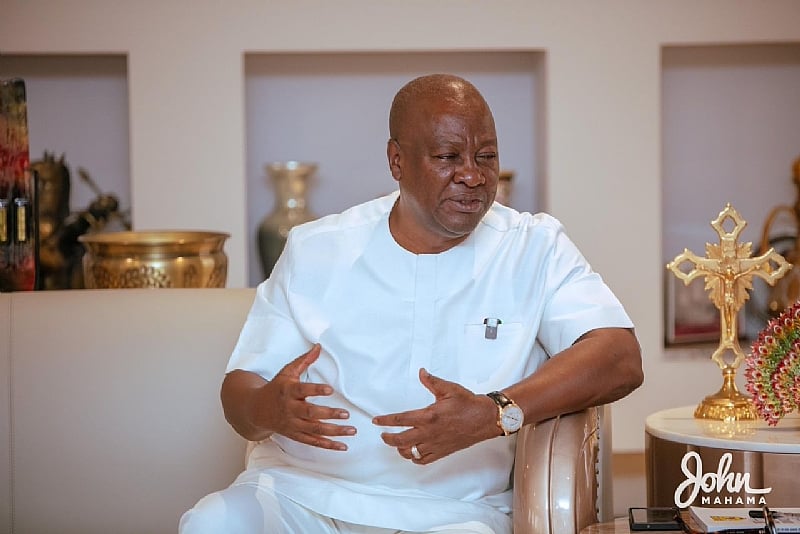
The IMF has expressed its willingness to engage with the incoming administration of President-elect John Dramani Mahama regarding potential adjustments to the existing program. This openness to renegotiation comes with the crucial caveat that any revisions must not compromise the overarching economic objectives of the initial agreement. The IMF emphasizes the collaborative nature of its programs, highlighting the importance of working closely with national authorities to tailor solutions to specific country contexts. Maintaining the program’s core goals, particularly restoring macroeconomic stability and achieving debt sustainability, remains paramount for the IMF.
The recent presidential election saw Mr. Mahama, who previously served as president, return to power. He has signaled his intention to renegotiate aspects of the IMF package, focusing on easing the burden of loan repayments and reducing corporate taxes. His economic priorities appear to emphasize stability over rapid growth, a stance that analysts suggest could be aligned with the IMF’s objectives, even with potential renegotiations. The prevailing view is that Mr. Mahama is unlikely to abandon the IMF program altogether, but rather seek modifications to better reflect his administration’s economic vision and priorities.
Ghana’s economic woes, which culminated in a debt-to-GDP ratio nearing 100% by the end of 2022, triggered a surge in inflation. While inflation has since receded from its peak of 54.1% two years ago to 23% at the end of November, it remains significantly elevated. The Ghanaian cedi has also suffered a substantial depreciation of approximately 60% over the last four years, reflecting the country’s economic vulnerabilities. Prior to the election, the central bank implemented aggressive monetary tightening, raising interest rates to a two-decade high of 30% before marginally easing them to 27%. These measures underscore the severity of the economic challenges facing the country.
The IMF program, while representing a crucial lifeline for Ghana, also imposes significant demands on the government. The requirement to achieve a primary budget surplus necessitates fiscal restraint, potentially impacting public spending. The ambitious target of reducing the debt-to-GDP ratio to 55% by 2028 will require sustained commitment to fiscal discipline and structural reforms. Balancing these fiscal imperatives with the need to address pressing social needs and stimulate economic growth presents a complex challenge for the incoming administration.
Mr. Mahama’s victory over Vice-President Mahamudu Bawumia signifies a shift in political leadership, but the economic challenges remain constant. His stated intention to renegotiate the IMF program reflects a desire to find a more sustainable and politically palatable path to economic recovery. The success of these negotiations will depend on the ability of the new administration to convince the IMF that its proposed modifications will not jeopardize the program’s fundamental goals. The coming months will be crucial in determining the direction of Ghana’s economic policy and its relationship with the IMF. Finding a balance between fiscal responsibility, debt sustainability, and promoting inclusive growth will be paramount for Ghana’s long-term economic prosperity.