









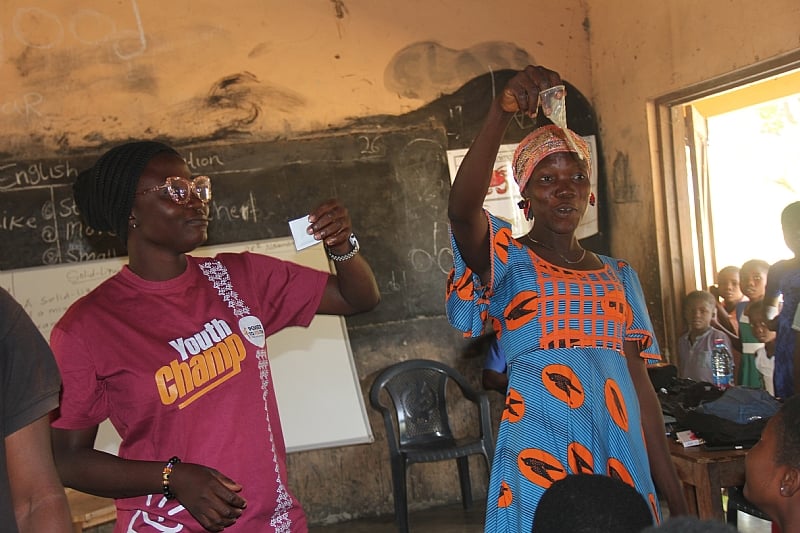
The Sawla Tuna Kalba district in Ghana’s Savannah region grapples with a significant challenge: high rates of teenage pregnancies. This alarming statistic underscores a critical need for comprehensive sexual and reproductive health (SRH) education and access to family planning services. The “Empowering Choices” project, spearheaded by the Model Girls Alumni-Sawla under the Power to Youth initiative, seeks to address this pressing issue by equipping adolescent girls and young women (AGYW) with the knowledge and resources they need to make informed decisions about their reproductive health. The project aims to curb the rising number of unintended pregnancies, a figure that reached 629 new cases in 2024, by fostering a more open and informed dialogue about SRH within the community.
The core of the “Empowering Choices” project is its focus on education and improved access to reproductive health services. Recognizing the existing gaps in SRH knowledge and contraceptive availability, the initiative targets over 200 AGYW and youth, providing them with comprehensive education on safe sex practices, family planning methods, and the importance of reproductive health. This educational approach empowers young women to take control of their reproductive lives, enabling them to make informed choices about their future and avoid unintended pregnancies. By providing accurate information and fostering open discussion, the project aims to dismantle the stigma often associated with SRH, creating a supportive environment where AGYW can confidently seek information and services.
The impact of “Empowering Choices” is already evident within the Sawla Tuna Kalba district. Participants like 17-year-old Mariam Alhassan testify to the transformative power of the project’s educational sessions. Mariam expresses a newfound understanding of how to protect herself and make conscious choices about her reproductive health. This knowledge not only safeguards her health but also empowers her to plan for her future, avoiding the potential disruption of early pregnancy. Mariam’s story exemplifies the project’s success in fostering self-efficacy and encouraging informed decision-making among young women.
The project’s influence extends beyond individual empowerment to fostering broader community engagement. Families and community stakeholders are increasingly participating in discussions about reproductive health and family planning, creating a supportive network that encourages open communication and access to essential services. This shift towards open dialogue is critical in dismantling the cultural barriers that often hinder access to SRH information and services, particularly for young women. By fostering a supportive environment, the “Empowering Choices” project promotes a culture of informed decision-making and encourages the adoption of healthy practices.
The success of “Empowering Choices” hinges on its collaborative approach. By actively involving local health facilities and government departments, the project leverages existing resources and expertise to maximize its impact and ensure sustainability. This collaborative framework not only enhances the project’s reach but also strengthens the local healthcare system’s capacity to provide comprehensive SRH services. This collaborative approach ensures that the project’s benefits extend beyond the immediate participants, contributing to a more robust and accessible healthcare infrastructure within the district.
“Empowering Choices” represents a significant step towards addressing the critical need for comprehensive SRH education and access to family planning services in the Sawla Tuna Kalba district. By empowering young women with knowledge and fostering open community dialogue, the project is transforming the reproductive health landscape. The positive testimonials from participants like Mariam Alhassan underscore the project’s efficacy in promoting informed decision-making and enabling young women to take control of their reproductive lives. The collaborative approach, involving local health facilities and government departments, ensures the project’s sustainability and strengthens the overall healthcare infrastructure, contributing to a healthier and more empowered future for the community.









