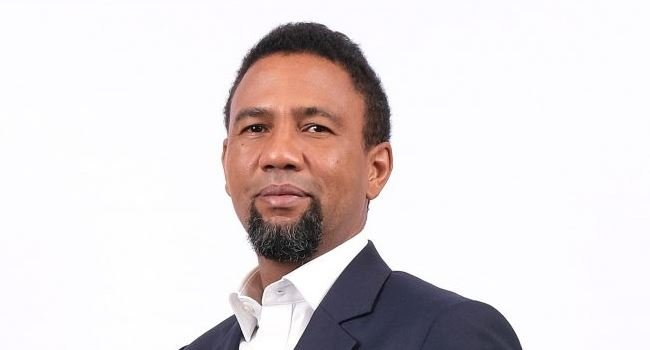
MTN Nigeria, the leading telecommunications provider in the country, has articulated a pressing need for the telecom sector to regain profitability as a measure to ensure its ongoing operations. During a recent visit to MTN’s facilities in Ibeju-Lekki, Lagos, Chief Executive Officer Karl Toriola highlighted that the industry has been grappling with significant losses, necessitating prompt interventions to reverse this troubling trend. The operator, which boasts a substantial subscriber base of approximately 78 million, is currently relying on profits accumulated over nearly two decades, which Toriola deemed an unsustainable practice in the long haul. The urgency of this situation underscores the importance of reform within the sector.
In light of rising operational costs and dwindling service quality, MTN Nigeria alongside other telecom operators has called for a tariff hike—the first in eleven years. Toriola accentuated that without this necessary adjustment, the sector’s financial viability will continue to deteriorate, impacting the quality of service provided to consumers. He elaborated on the critical pressures facing the industry, particularly the rising prices of diesel needed to power base transceiver stations, which have contributed to the perilous financial situation. His statements included a stark warning: without an increase in tariffs to align with economic realities, the operator could face operational shutdowns.
The financial challenges have also repercussions for MTN’s contributions to the national economy, as the company has seen a downturn in tax payments, which were once among the highest in Nigeria. In its financial report for the first quarter, MTN, alongside Airtel, adopted a more cautious approach regarding capital expenditure for the year 2024. This financial prudence reflects the broader trend where mobile operators are feeling the pinch of an increasingly volatile economic climate. Conversely, the two other operators in Nigeria, 9mobile and Globacom, remain privately held and not subject to the same public scrutiny regarding performance and strategic direction.
The economic pressures facing MTN were starkly illustrated by a staggering N519.1 billion loss in early 2024, majorly attributed to the devaluation of the naira and soaring inflation rates affecting operational costs. Issues such as these have ignited discussions about the sustainability of existing service arrangements, particularly Unstructured Supplementary Service Data (USSD) banking services. Toriola warned that MTN may need to suspend these services unless there is a resolution to the significant N250 billion in debts owed by Nigerian banks. This development could significantly impact users reliant on USSD for financial transactions.
Despite these challenges, Toriola expressed cautious optimism regarding potential interventions from key regulatory figures, including the Central Bank of Nigeria’s new Governor, Yemi Cardoso, and the Executive Vice Chairman of the Nigerian Communications Commission, Dr. Aminu Maida. Toriola believes that these leaders could help navigate the telecom industry through its current crisis, thereby stabilizing operations. His outlook reflects a hope that regulatory actions can alleviate financial burdens and support the industry’s trajectory toward recovery.
In conclusion, Toriola emphasized the critical role the telecom industry plays in Nigeria’s broader economy. He urged the government and regulatory bodies to take swift action to avert the dire consequences of inaction, which could threaten not only the viability of telecom operators like MTN but also the communications infrastructure vital for economic progress. The call for a tariff review, alongside measures to manage operational costs, is essential for securing the long-term sustainability of the telecommunications sector, which serves as a backbone for Nigeria’s economic growth and development.