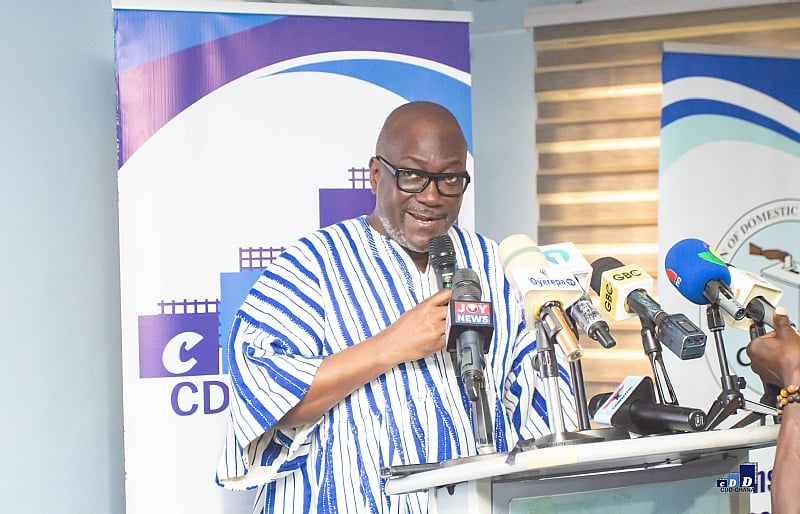
The 2024 Ghanaian general elections, while avoiding widespread chaos, were marred by concerning levels of violence, prompting calls for urgent reforms to ensure a peaceful and incident-free 2028 election. Professor H. Kwasi Prempeh, Executive Director of the Ghana Center for Democratic Development (CDD-Ghana), speaking on behalf of a coalition of observer groups, expressed relief that the elections did not descend into the anticipated widespread disorder, but emphasized that isolated incidents of violence remain unacceptable. He pointed out that after nine successful elections, Ghana should have progressed beyond such incidents and should strive towards an entirely peaceful electoral process, free from fatalities and disruptions. This, he argued, should be the benchmark for future elections, urging all stakeholders to work collaboratively towards achieving this goal.
The specific incidents documented during the 2024 elections paint a stark picture of the challenges faced. Nana Kwabena Aborampah Mensah, a senior programs officer at CDD-Ghana, presented data revealing 76 recorded incidents, resulting in six confirmed deaths and 46 injuries. A significant portion of these incidents, 24 in total, involved the seizure, vandalism, and invasion of public properties, highlighting a concerning disregard for the rule of law during the election period. While the Ghana Police Service made over 130 arrests in connection with these disturbances, the coalition stressed the importance of these arrests leading to prosecutions to ensure accountability and deter future violence. They encouraged public cooperation in providing information to support these prosecutions.
The coalition’s call for an incident-free 2028 election underscores the importance of a peaceful democratic process for Ghana’s continued stability and development. The recorded violence, though not widespread, represents a significant blemish on the democratic process and highlights vulnerabilities that need addressing. Achieving a truly peaceful election will require a concerted effort from all stakeholders, including political parties, security forces, civil society organizations, and the electorate. This necessitates a commitment to fostering a culture of peace and tolerance, respecting the rule of law, and upholding the integrity of the electoral process.
The emphasis on accountability for election-related violence is crucial for deterring future incidents. The coalition’s call for prosecutions following the arrests made by the Ghana Police Service underscores the importance of ensuring that perpetrators of violence face consequences for their actions. This not only serves as a deterrent but also contributes to building public trust in the justice system and its ability to uphold the rule of law, especially during crucial periods like elections. Furthermore, encouraging public cooperation in providing information related to these incidents is essential for effective investigations and successful prosecutions.
Moving towards the 2028 elections, the coalition’s recommendations highlight the need for proactive measures to prevent violence. These measures could include enhanced voter education programs promoting peaceful participation, improved training for security personnel on managing election-related security challenges, and stricter enforcement of electoral laws and regulations. Furthermore, promoting dialogue and fostering understanding among different political factions can help mitigate tensions and prevent escalation of violence. These proactive measures, combined with robust mechanisms for accountability, are vital for creating an environment conducive to peaceful and credible elections.
Ultimately, the goal of an incident-free election is not merely about the absence of violence. It represents a broader aspiration for a truly democratic process where the will of the people is expressed freely and fairly, without fear or intimidation. Achieving this goal requires ongoing commitment and collaboration from all segments of Ghanaian society. By working together, stakeholders can create a strong foundation for peaceful and inclusive elections, ensuring that the democratic process in Ghana continues to strengthen and flourish. The 2024 elections, while flawed, offer valuable lessons for the future, providing a roadmap for the necessary reforms and actions required to achieve the goal of an incident-free 2028 election.