The ongoing political tension between the Peoples Democratic Party (PDP) and the All Progressives Congress (APC) in Edo State has recently intensified due to a dispute over the inspection of election materials relating to the gubernatorial election held on September 21. This conflict arose following the APC’s victory in the election, where Senator Monday Okpebholo defeated the PDP candidate, Asue Ighodalo, with a margin of approximately 44,000 votes. Despite the APC’s success, the PDP has alleged electoral fraud and has vowed to challenge the results in court, leading to the current dispute over access to electoral materials, including the Bimodal Voter Accreditation System (BVAS).
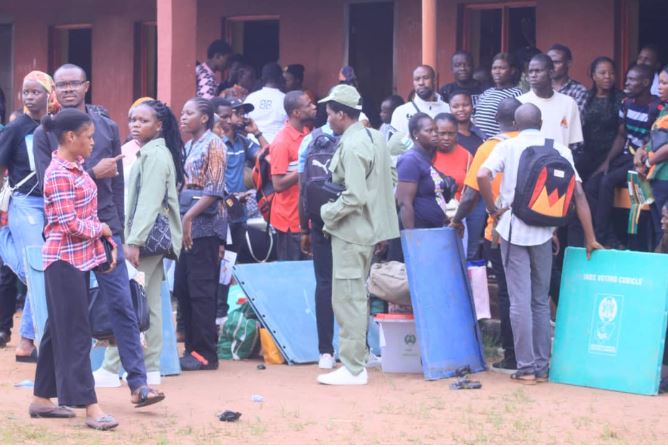
The situation escalated when the PDP’s legal team sought to inspect the election materials under a court order granted on September 29. Their initial attempt on October 7 to begin this inspection was thwarted when officials at the Independent National Electoral Commission (INEC) indicated that they were unprepared and would contact the PDP when the materials were ready for review. This delay became contentious as time was of the essence for the PDP, which needed to prepare its legal case against the election results, raising concerns about the validity of the electoral process in Edo State.
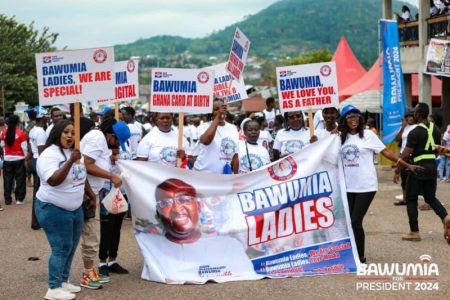
In response to these developments, the APC mobilized supporters to the INEC office to protest against what they claimed was an attempt by the PDP to manipulate the election results. Led by Deputy Governor-elect Dennis Idahosa, the APC’s show of force caused significant disruptions, underscoring the volatile political atmosphere. In the ensuing days, accusations flew between the parties, with the PDP alleging that the APC was obstructing their access to necessary materials, while the APC claimed they were protecting the integrity of the election results from potential tampering by the PDP.
The inspection of materials, which was supposed to commence on October 9, was impeded by another clash between the legal teams of the PDP and APC, which refused to agree on the order and manner of the inspection. While the PDP insisted on starting with the BVAS, the APC argued that the inspection should begin with the voters’ register, citing the statutory order obtained earlier. Tempers flared as both sides accused each other of manipulating the legal process to their advantage, showcasing the deeply entrenched divisions in the state’s political landscape.
As tensions mounted, the inspection process was further complicated by allegations from the APC that the PDP was attempting to smuggle electoral materials into the INEC office. The INEC refuted these claims, stating that a thorough investigation found them to be baseless and reaffirmed its commitment to ensuring a fair electoral process. Despite these assurances, the inability of the parties to reach an agreement resulted in the indefinite adjournment of the inspection process, further heightening suspicions and frustrations among stakeholders.
Ultimately, six political parties, including both the PDP and APC, convened a meeting to address the stall in the inspection process, acknowledging the need for a collaborative approach to avoid legal pitfalls and public discord. They agreed to hold the inspection on a new date, highlighting the ongoing struggle between these rival factions. The conflicts over the recent election in Edo State are symptomatic of broader issues within Nigeria’s democratic practices, where allegations of electoral malpractice and political maneuvering often threaten to undermine the integrity of the electoral process and the societal fabric at large.