The 2024 presidential and parliamentary elections in Bawku Central, a constituency located in the Upper East Region of Ghana, witnessed a peculiar outcome marked by an exceptionally high number of rejected ballots. This unusual phenomenon overshadowed the contest between the incumbent Member of Parliament, Mahama Ayariga, and his challengers, raising concerns about the integrity of the electoral process and the potential influence of local factors, particularly the long-standing chieftaincy conflict between the Kusasi and Mamprusi ethnic groups.
The sheer volume of rejected ballots, totaling 6,277, surpassed the combined votes secured by the two other parliamentary candidates vying for the seat. Paul Agobire Alale of the New Patriotic Party (NPP) received 3,855 votes, while Emmanuel Anaba of the All People’s Congress (APC) garnered a mere 308 votes. This stark difference highlights the magnitude of the rejected ballot issue, which significantly impacted the overall electoral outcome. The fact that all three parliamentary candidates belonged to the Kusasi ethnic group has fueled speculation that the Mamprusi community, embroiled in a protracted chieftaincy dispute with the Kusasi, may have deliberately spoiled their ballots as a form of protest or a demonstration of their political stance.
The ongoing chieftaincy conflict between the Kusasi and Mamprusi communities in Bawku Central has cast a long shadow over the political landscape of the constituency. This deep-seated conflict, characterized by sporadic outbreaks of violence and mutual distrust, has created a highly polarized environment that inevitably spills over into the electoral process. The suspicion that the high number of rejected ballots may be linked to this conflict underscores the challenges of conducting free and fair elections in areas grappling with such complex social and political dynamics. The potential for electoral outcomes to be influenced by factors extraneous to the candidates’ merits and platforms raises serious questions about the representativeness and legitimacy of the democratic process in such contexts.
The high rejection rate can be attributed, at least in part, to the numerous instances of multiple thumbprints found on ballots during the vote sorting and counting process. This suggests a lack of understanding of proper voting procedures among some voters, potentially exacerbated by low literacy levels or inadequate voter education efforts. While it is difficult to ascertain the exact motivations behind the spoiled ballots, whether intentional or accidental, the sheer number necessitates a thorough investigation to determine the underlying causes and identify potential measures to mitigate similar occurrences in future elections. Strengthening voter education initiatives and ensuring clear and concise instructions on ballot papers could be crucial steps in addressing this issue.
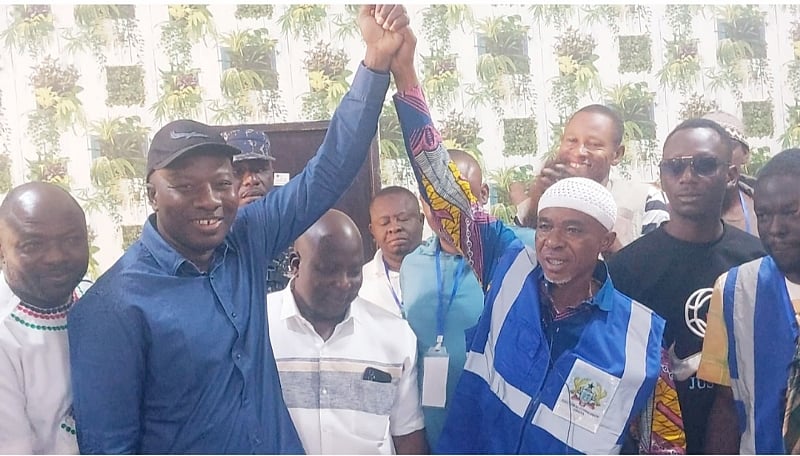
Despite the controversy surrounding the rejected ballots, Mahama Ayariga of the National Democratic Congress (NDC) retained his parliamentary seat with a comfortable margin, securing 25,350 out of the 35,790 valid votes cast. This decisive victory demonstrates Ayariga’s continued popularity and strong support base within the constituency, even amidst the complex political dynamics and ethnic tensions. However, the significant number of rejected ballots raises questions about the full extent of voter participation and the potential impact of the chieftaincy conflict on the overall electoral outcome.
In the presidential election held concurrently with the parliamentary polls, John Dramani Mahama of the NDC also emerged victorious in Bawku Central, securing 26,993 votes, while his main rival, Dr. Mahamudu Bawumia of the NPP, received 13,384 votes. The presidential election results further solidified the NDC’s dominance in the constituency, reflecting the party’s strong grassroots support and the enduring popularity of its presidential candidate. While the rejected ballots in the presidential election were considerably lower than in the parliamentary contest, totaling 473 out of 41,276 total votes cast, the overall voter turnout and the significant margin of victory for the NDC candidate reaffirm the party’s stronghold in Bawku Central. This electoral outcome underscores the importance of addressing the underlying issues contributing to the high number of rejected ballots in the parliamentary election to ensure the integrity and inclusivity of future electoral processes in the constituency.