Paragraph 1: Introduction and Background
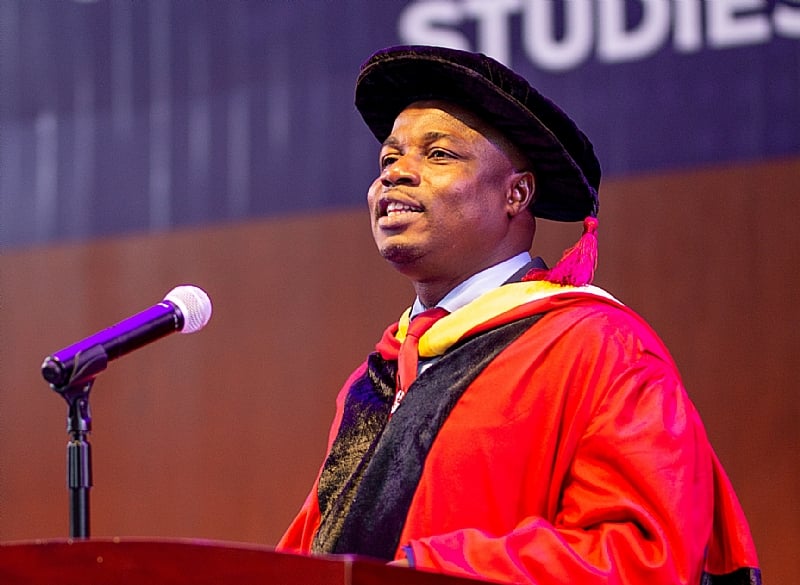
The University of Professional Studies, Accra (UPSA), a prominent institution of higher learning in Ghana, recently announced the postponement of the investiture ceremony of its incoming Vice-Chancellor, Professor John Kwaku Mensah Mawutor. The ceremony, originally slated for Friday, December 27, 2024, was intended to formally install Professor Mawutor as the university’s new academic leader. This unexpected postponement has generated considerable interest and speculation within the university community and beyond. The official statement released by the university registrar indicated that a new date for the investiture would be announced in due course, while expressing regret for any inconvenience caused. However, the statement refrained from providing explicit reasons for the postponement, leading to conjecture about potential underlying factors.
Paragraph 2: The Official Announcement and its Ambiguity
The official communication from the UPSA registrar, while concise and formal, left several questions unanswered. It simply stated the postponement of the investiture, acknowledging the original date and promising a future announcement regarding the rescheduling. The absence of a clear explanation for the postponement fueled speculation and allowed rumors to circulate. This lack of transparency can erode public trust and create an atmosphere of uncertainty within the university community. While acknowledging the need for discretion in certain sensitive matters, providing a general explanation for such a significant postponement could have mitigated the spread of misinformation and maintained a sense of stability within the institution.
Paragraph 3: Emerging Allegations and Legal Challenges
While the university remained tight-lipped about the specific reasons for the postponement, media reports began to surface suggesting a potential legal challenge as a contributing factor. Reports indicated that an alumnus of UPSA, Rashid Ibrahim, had filed a court injunction seeking to halt the investiture ceremony. The injunction reportedly alleges irregularities surrounding Professor Mawutor’s academic promotion, raising concerns about the legitimacy of his appointment as Vice-Chancellor. These allegations, if substantiated, could have serious implications for the university’s leadership and its reputation.
Paragraph 4: The Significance of the Vice-Chancellor Position
The position of Vice-Chancellor is pivotal in any university, representing the highest academic authority and playing a crucial role in shaping the institution’s strategic direction. The Vice-Chancellor is responsible for overseeing academic programs, research initiatives, and overall institutional development. The selection and appointment of a Vice-Chancellor are therefore matters of significant importance, requiring rigorous scrutiny and adherence to established procedures. Any controversy or legal challenge surrounding this appointment can create instability and disrupt the smooth functioning of the university.
Paragraph 5: Potential Impact of the Postponement and Legal Challenges
The postponement of the investiture and the surrounding legal challenges have the potential to create significant disruptions within the university community. Uncertainty about the future leadership can impact faculty morale, student confidence, and the university’s overall reputation. The allegations against Professor Mawutor, if proven true, could lead to a protracted legal battle and further delays in appointing a permanent Vice-Chancellor. This prolonged uncertainty can hinder the university’s ability to implement its strategic plans and maintain its academic standing.
Paragraph 6: The Need for Transparency and Due Process
The situation at UPSA underscores the importance of transparency and due process in appointments to key leadership positions within academic institutions. Open communication and adherence to established procedures are crucial for building trust and maintaining the integrity of the selection process. While respecting the legal proceedings and the rights of all involved, the university has a responsibility to provide timely and accurate information to the community. A thorough and impartial investigation into the allegations against Professor Mawutor is essential to ensure that the eventual appointment of the Vice-Chancellor is based on merit and free from any impropriety. This will help restore confidence in the university’s leadership and ensure its continued progress and stability.