The Confederation of African Football (CAF) is set to orchestrate the draw for the 2025 Africa Cup of Nations (AFCON) on Monday in Rabat, Morocco. This edition, the 35th in the tournament’s history, holds particular significance as it marks the return of Morocco as hosts after a 37-year hiatus since the 1988 edition, which Cameroon won. The North African nation, a rising force in global football, is also poised to co-host the 2030 FIFA World Cup alongside Spain and Portugal, further solidifying its position on the international football stage. Morocco’s recent hosting of major tournaments like the 2018 African Nations Championship, the 2022 Women’s Africa Cup of Nations, and the 2023 FIFA Club World Cup underscores its growing experience and capacity in organizing high-profile football events.
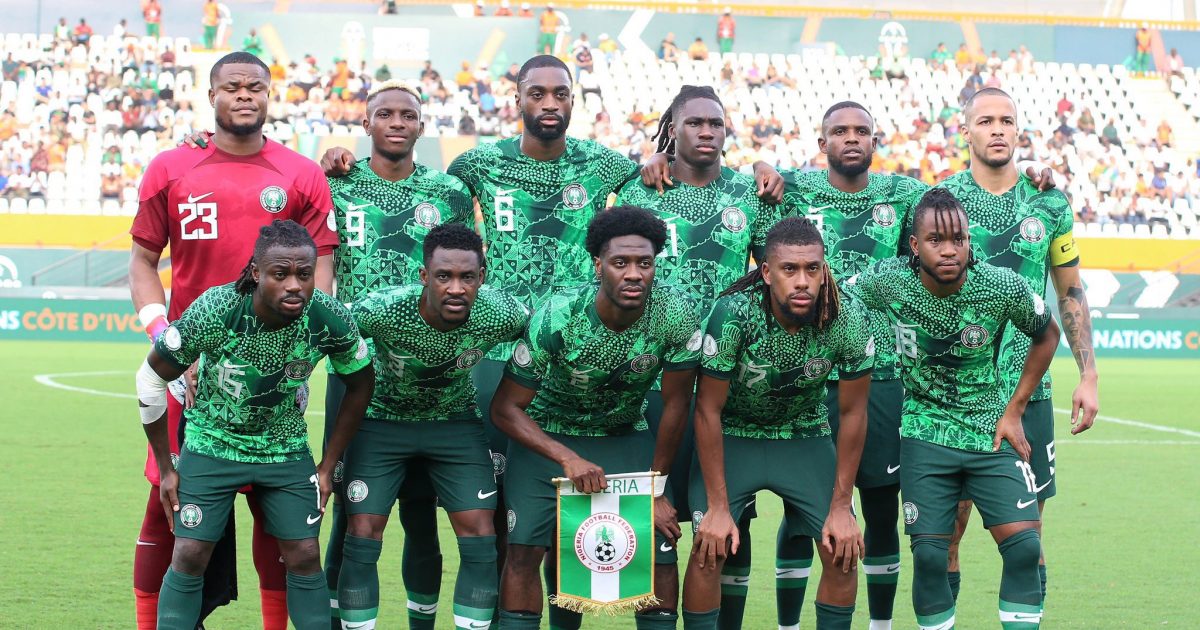
The draw ceremony, taking place at the Mohamed V National Theatre in Casablanca, will determine the group stage matchups for the 24 participating nations. Nigeria, a three-time AFCON champion, enters the draw as one of the favorites and a prominent figure in the tournament’s history. The Super Eagles boast an impressive record of 16 medals in 20 appearances, including three titles (1980, 1994, 2013), five runner-up finishes (1984, 1988, 1990, 2000, and 2023), and eight bronze medals. Their participation in the 2025 edition will mark their 21st appearance, a feat shared only with Algeria and DR Congo, underscoring their consistent presence among Africa’s football elite.
For the draw, the 24 qualified teams are divided into four pots based on their FIFA rankings and previous AFCON performances. Nigeria’s placement in Pot 1 ensures they will avoid facing other heavyweights like hosts Morocco, defending champions Senegal, seven-time winners Egypt, Algeria, and Ivory Coast in the group stage. This strategic positioning offers Nigeria a slightly more favorable path in the initial rounds, although the competition in African football is always fierce. Nigeria’s delegation at the draw ceremony will include Super Eagles head coach Eric Sékou Chelle, team administrator Dayo Enebi Achor, and NFF Technical Committee chairman Sharif Rabiu Inuwa.
While avoiding the top seeds provides some advantage, Nigeria still faces potential challenges from teams in the other pots. Pot 2 includes formidable opponents like Cameroon, Mali, Tunisia, South Africa, DR Congo, and Burkina Faso. Pot 3 contains Gabon, Angola, Zambia, Uganda, Equatorial Guinea, and Benin Republic, while Pot 4 features Mozambique, Comoros, Tanzania, Sudan, Zimbabwe, and tournament debutants Botswana. Each pot presents its own set of challenges, requiring Nigeria to be prepared for diverse playing styles and tactical approaches.
Nigeria’s historical performance in the AFCON adds another layer of intrigue to their participation. The Super Eagles have played 104 matches in the finals, the fourth-highest total behind Egypt (111), Ivory Coast (106), and Ghana (105). Their legacy is further enriched by the late striker Rashidi Yekini, who etched his name in AFCON history with 13 goals across four tournaments between 1988 and 1994, a testament to Nigeria’s attacking prowess over the years.
The 2025 AFCON, scheduled from December 21st to January 18th, will break new ground as the first edition to span two calendar years. This unique scheduling adds an extra dimension to the tournament, potentially impacting player availability and team preparations. As the draw unfolds, anticipation builds for the upcoming tournament, promising an exciting showcase of African football talent and a fierce battle for continental supremacy. Nigeria, with its rich AFCON history and ambition to reclaim the title, will undoubtedly be a team to watch as they embark on their quest for glory in Morocco.