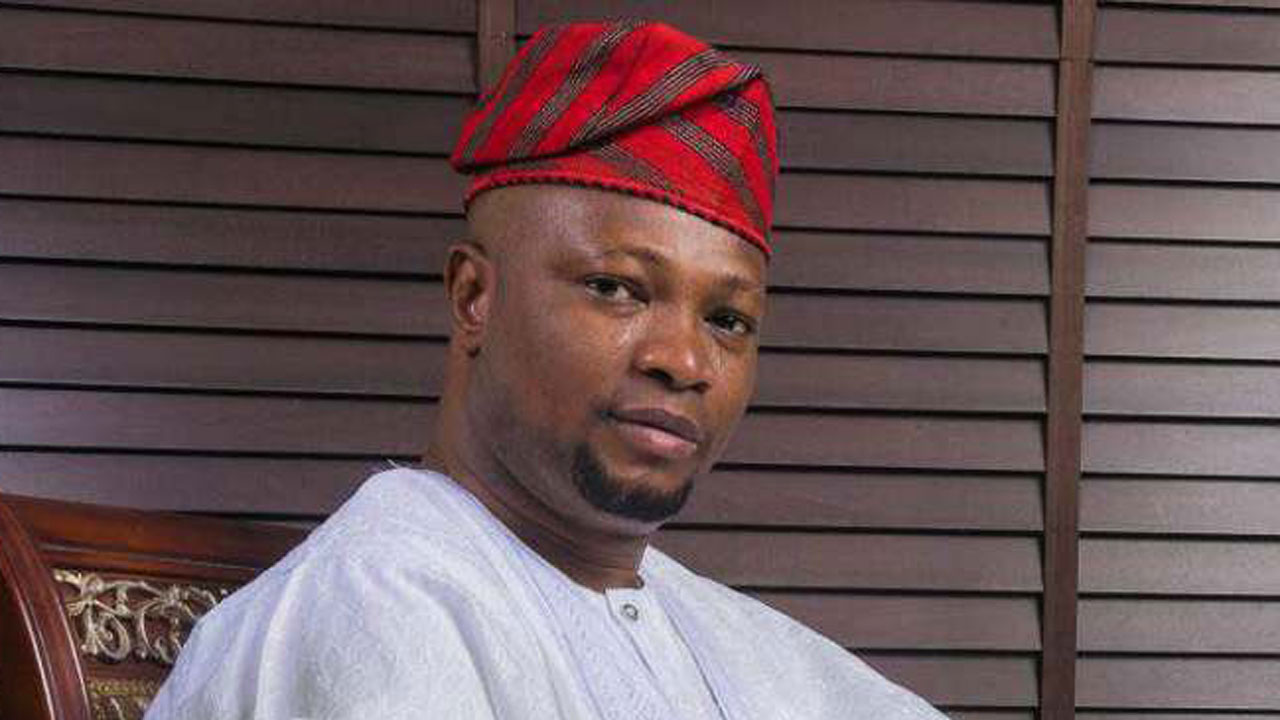
Abdul-Azeez Adediran, also known as Jandor, the Peoples Democratic Party’s (PDP) gubernatorial candidate in Lagos State for the 2023 elections, has publicly expressed his disillusionment with the party, citing intractable internal crises as the primary reason for his departure. Jandor’s resignation, announced on Monday, underscores the deep-seated issues plaguing the PDP, which he characterized as having “lost hope in itself.” His comments, made during an appearance on Channels Television’s Politics Today, painted a bleak picture of a party grappling with leadership struggles and internal divisions, hindering its ability to effectively function and compete in the political landscape. He specifically pointed to the ongoing controversy surrounding the acting National Chairman, Umar Damagum, whose leadership has been heavily criticized within the party.
The PDP’s internal turmoil, according to Jandor, stems from several interconnected factors. The appointment of Damagum to replace Iyorchia Ayu as National Chairman has been a significant point of contention, further exacerbating existing tensions within the party. The dispute over the National Secretary position, with both Senator Samuel Anyanwu and former National Youth Leader, Sunday Ude-Okoye, claiming the role, has added another layer of complexity to the crisis. These leadership struggles have reverberated throughout the party’s structure, creating deep fissures within the Board of Trustees, the National Working Committee, and the National Executive Committee. Jandor highlighted the detrimental impact of these internal battles on the PDP’s public image, questioning how anyone could proudly identify with the party given the ongoing turmoil.
The situation in the South-South region of Nigeria further illustrates the depth of the PDP’s internal strife. The zonal congress held on February 22nd without the consent of the governors has further alienated key stakeholders and deepened the divisions within the party. Jandor’s assessment of the situation is stark: the PDP is a party controlled by those who actively worked against its interests, creating a toxic environment that perpetuates the same problems. He expressed skepticism about the party’s ability to reform and compete effectively in future elections, given that the same individuals who presided over the current crisis remain in positions of power.
Looking ahead to the 2025 and 2026 election cycles, Jandor sees little hope for change within the PDP. He argues that with the same individuals at the helm, the party is destined to repeat past mistakes and face similar outcomes. This bleak outlook, coupled with his deep-seated frustration with the internal dynamics of the party, ultimately led to his decision to resign. Jandor emphasized the importance of people coming together to form a political party, and when that unity is fractured by internal strife and a lack of trust, the very foundation of the party is compromised. He believes the PDP has reached this critical point, where the internal toxicity has overshadowed its ability to function effectively.
As for his future political affiliations, Jandor remains undecided. While he has ruled out remaining with the PDP, he hasn’t committed to a specific alternative. With 17 other registered political parties in Nigeria, he acknowledges a wide range of options to explore. He indicated that he will engage in consultations and carefully evaluate his choices before making a decision. He is also considering the possibility of joining emerging coalitions and alliances, recognizing the shifting political landscape and the potential benefits of collaborative efforts. Jandor stressed that regardless of his ultimate decision, he will respect the structures and rules of the chosen party, demonstrating a commitment to engaging in the political process with integrity.
Jandor’s departure from the PDP serves as a significant indicator of the party’s current state. His public expression of disillusionment, coupled with his detailed critique of the party’s internal dysfunction, highlights the challenges the PDP faces in regaining public trust and effectively competing in future elections. The ongoing leadership struggles, the deep-seated divisions within its ranks, and the lack of a clear path towards reform paint a concerning picture for the party’s future. As Jandor embarks on his own political journey, the PDP is left to grapple with the fallout from his departure and the broader implications of its internal crisis. His resignation serves as a stark warning: if the party fails to address these fundamental issues, it risks further marginalization in the Nigerian political landscape.