





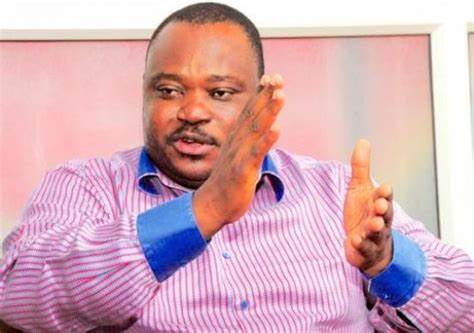
Senator Jimoh Ibrahim, representing Ondo South Senatorial District, has brought to light the colossal waste of resources represented by Nigeria’s numerous abandoned mega projects, using the Ajaokuta Steel Complex as a prime example. Despite an investment of $11 billion over 43 years, Ajaokuta has failed to produce a single sheet of steel, symbolizing the nation’s squandered potential and the inefficiencies plaguing its infrastructure development. This revelation emerged during Ibrahim’s participation in the 2024 Oxford Major Programme Management conference, where he underscored the urgency of addressing this chronic issue. He revealed a staggering statistic: Nigeria has 11,866 abandoned mega projects, the completion of which, he argues, could have propelled the nation to a developmental level comparable to that of the United Kingdom. Ibrahim’s appeal to global stakeholders frames these failures not simply as losses but as opportunities for sustainable development, urging a paradigm shift in project management practices to prevent further wastage.
Ibrahim acknowledges the pervasive issue of corruption, recognizing its contribution to project failures in Nigeria. However, he cautions against viewing it as solely a Nigerian problem, highlighting cost overruns and delays in international projects like the UK’s Crossrail and the abandoned Yucca Mountain nuclear waste repository in the United States as evidence of similar challenges elsewhere. The Crossrail project, initially estimated at £14.8 billion, has ballooned to £18.7 billion, while the Yucca Mountain project resulted in a $65 billion loss for the US government. By drawing these parallels, Ibrahim emphasizes the need for a global conversation on project management best practices and the importance of accountability in the utilization of public funds, regardless of geographical location. He stresses that while corruption is a significant factor, it’s the broader issue of effective project execution and value creation that needs urgent attention.
Central to Ibrahim’s argument is the disconnect between investment in mega projects and the realization of tangible benefits for the Nigerian people. He criticizes the tendency of successive governments to embark on ambitious projects without a clear roadmap for their completion and operationalization. This, he argues, results in a cycle of abandoned projects, wasted resources, and unfulfilled potential. He proposes a proactive approach, urging the Tinubu administration to categorize all unused projects as “National Failed Projects” and to prioritize the completion of those that hold the most promise for national development. This, he believes, will send a strong signal about the government’s commitment to responsible resource management and will lay the foundation for future sustainable development initiatives.
Beyond the economic implications, Ibrahim highlights the socio-political significance of successfully executed national projects. He emphasizes their role in fostering national unity and bridging ethnic divides, citing examples like the Akpabio Stadium, former President Jonathan’s railway project, and the Abuja and Lagos airports as successful initiatives that have contributed to a sense of shared national identity. By creating shared spaces and infrastructure that benefit all citizens, Ibrahim argues, mega projects can contribute to a more cohesive and integrated nation. His vision emphasizes the transformative potential of these projects, not just in terms of economic development but also in strengthening the social fabric of Nigeria.
Ibrahim’s participation in the 2024 Oxford Major Programme Management conference provided a platform for him to share his insights and advocate for improved project management practices. The conference recognized his contributions with a certificate of appreciation, acknowledging his status as a proud alumnus of the University of Oxford’s Said Business School, where he completed an MSc in Major Programme Management. This recognition further underscores Ibrahim’s commitment to academic excellence and his dedication to applying his knowledge and experience to address real-world challenges facing Nigeria. His academic achievements, including a Business Doctorate from the University of Cambridge, a PhD in modern war and foresight, and his work on the proposed University of Fortune in Nigeria, position him as a leading voice in the discourse on national development and strategic planning.
Furthermore, Ibrahim presented his pioneering book on African mega projects at the conference, showcasing his in-depth understanding of the complexities and challenges associated with such endeavors. This book likely provides a detailed analysis of the factors contributing to project failures and proposes practical solutions for improving project management practices across the continent. His focus on mega projects reflects a recognition of their potential to drive economic growth and social development, but also an understanding of the critical need for effective planning, execution, and oversight to ensure their success. By combining his academic background with practical experience and a deep understanding of the Nigerian context, Ibrahim offers valuable insights into how to unlock the transformative potential of mega projects and avoid the pitfalls that have plagued past initiatives.








