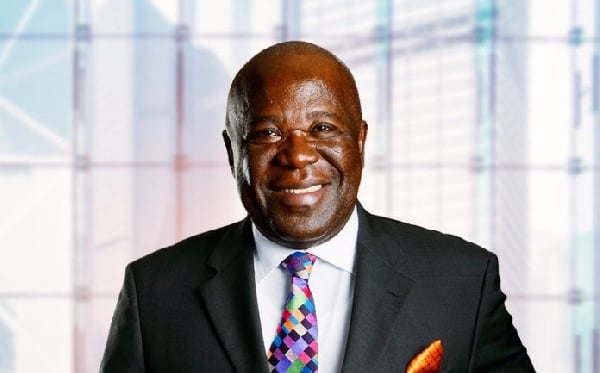
Sam Jonah’s post-election address serves as a poignant reminder of the delicate balance between democratic triumph and the inherent fragility of peace. He acknowledges the successful execution of Ghana’s recent presidential and parliamentary elections, commending the resilience of the nation’s institutions and the commitment of its people to democratic principles. However, he juxtaposes this success against the tragic loss of four lives during the electoral process, emphasizing that the sanctity of life must always remain paramount. This duality forms the core of his message: celebrating the strength of Ghanaian democracy while simultaneously calling for introspection and accountability to prevent future tragedies. Jonah urges a thorough investigation into the deaths and the implementation of measures to ensure such incidents never recur, highlighting that no citizen should pay the ultimate price for exercising their civic duty.
The address pivots towards unity and reflection, urging Ghanaians to transcend the divisive nature of elections and focus on the collective good. Jonah emphasizes the need for national reconciliation and collaboration, particularly in the face of significant economic challenges. He calls on leaders from all political factions to prioritize the welfare of the people and the progress of the nation, transcending partisan interests. This appeal for unity resonates deeply within the context of a post-election environment, often fraught with tension and lingering divisions. Jonah stresses that the shared destiny of Ghanaians must outweigh any political differences, urging a collective effort to rebuild the economy and strengthen the institutions that underpin national stability.
Jonah’s call to action centers on shared responsibility and the pursuit of a brighter future for Ghana. He invokes the spirit of Kwame Nkrumah, Ghana’s founding father, reminding citizens of the “noble and glorious challenge” of nation-building. This historical reference serves to connect the present moment to the legacy of Ghana’s independence struggle, emphasizing the continuous effort required to maintain and enhance the nation’s democratic ideals. He calls for determination and unity, emphasizing that progress requires collective participation and a shared commitment to national development. This appeal resonates with a sense of urgency, highlighting the critical juncture at which Ghana stands and the importance of seizing the opportunity for positive change.
The statement’s brevity belies its profound message of hope and resilience. Jonah’s words encapsulate the essence of democratic progress: acknowledging imperfections, striving for improvement, and maintaining a steadfast belief in the power of collective action. He paints a vision of a stronger, more inclusive Ghana, built on the foundations of democratic principles and fueled by the collective efforts of its citizens. The concluding prayer for God’s blessing upon Ghana reinforces the sense of shared purpose and national identity, emphasizing the collective desire for a prosperous and unified nation.
Jonah’s address masterfully blends praise for democratic achievement with a sobering reminder of the human cost of political strife. It offers a roadmap for navigating the post-election period, emphasizing the importance of unity, introspection, and collaborative action. By acknowledging the challenges while simultaneously highlighting the opportunities, Jonah inspires hope and reinforces the belief in Ghana’s potential for continued growth and development.
The power of Jonah’s message lies in its simplicity and sincerity. He speaks directly to the hearts and minds of Ghanaians, appealing to their shared sense of national pride and their collective responsibility to build a better future. His words serve as a timely reminder that democracy is a continuous journey, requiring constant vigilance, adaptation, and a unwavering commitment to the principles of peace, justice, and unity. This post-election address is not just a statement; it is a call to action, urging Ghanaians to rise above division and embrace the shared responsibility of shaping their nation’s destiny.