









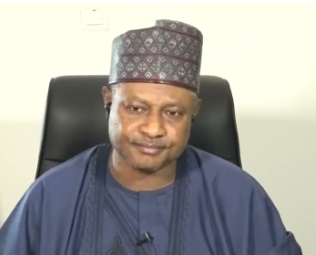
The political landscape in Nigeria has been ignited by a controversial statement made by Kaduna State Governor, Uba Sani, criticizing opposition parties for forming a coalition against the ruling All Progressives Congress (APC) and President Bola Tinubu. Sani’s remarks, delivered during a televised interview, labeled the opposition’s actions as undemocratic and premature, considering the 2027 general elections are still over two years away. He urged politicians aspiring to challenge Tinubu and the APC to focus on building their support base and presenting themselves to the electorate at the appropriate time. This statement sparked immediate backlash from opposition leaders, civil society activists, and even within the APC itself, highlighting the sensitivity of the issue and the growing tension between the ruling party and its challengers.
At the forefront of the criticism were prominent figures such as Labour Party presidential candidate Peter Obi, human rights activist Deji Adeyanju, and National Coordinator of the Obedient Movement, Yunusa Tanko. Obi, speaking through his media aide, emphasized the crucial role of opposition in a healthy democracy, which includes holding the ruling party accountable and offering alternative perspectives. He argued that forming coalitions and critiquing government policies are legitimate exercises of democratic rights and should be encouraged rather than condemned. Obi called for issue-based campaigns and respectful dialogue as the nation prepares for the 2027 elections, emphasizing the importance of adhering to democratic principles.
Adeyanju, known for his outspoken advocacy, dismissed Sani’s comments as unfounded and anti-democratic, suggesting the governor’s remarks stemmed from ignorance. He underscored the importance of dissent and diverse political perspectives in a thriving democracy, implying that Sani’s stance reflects a narrow and potentially authoritarian viewpoint. Tanko, representing the Obidient Movement, a significant force in the last presidential election, expressed disappointment in Sani’s position, particularly given that the APC itself rose to power through a coalition. He highlighted the irony of the ruling party now criticizing the very strategy that propelled them to power, suggesting a double standard and a disregard for the legitimacy of opposition mobilization.
The criticism extended beyond individual figures to encompass political organizations like the Coalition of United Political Parties (CUPP). CUPP’s National Secretary, Chief Peter Ameh, accused the APC of attempting to stifle opposition and constrict the democratic space. He argued that Sani’s remarks were part of a broader strategy to delegitimize opposition efforts and maintain the APC’s grip on power. Ameh stressed that a robust democracy requires a strong and active opposition and that forming coalitions is a legitimate political tactic. He challenged Sani and the ruling party to focus on governance and addressing the nation’s economic challenges rather than suppressing dissenting voices.
The controversy surrounding Sani’s statement exposed deeper fissures within the Nigerian political landscape. Former Kaduna State Governor Nasir El-Rufai, Sani’s predecessor, publicly accused him of sycophancy towards President Tinubu, suggesting that Sani’s remarks were motivated by personal gain rather than genuine concern for democratic principles. This internal dissent within the APC further complicated the narrative and highlighted the potential for power struggles and shifting alliances within the ruling party. The incident underscores the fragility of democratic norms and the ongoing struggle for political power in Nigeria.
The debate sparked by Governor Sani’s comments reflects the ongoing tension between the ruling APC and the opposition, particularly in the wake of the closely contested 2023 presidential election. The opposition’s move to form a coalition signifies a determination to challenge the APC’s dominance and offer a viable alternative to the electorate. The APC’s response, as exemplified by Sani’s remarks, reveals a concern about the potential threat posed by a united opposition. The coming years leading up to the 2027 elections promise a dynamic and potentially volatile political climate, with both the ruling party and the opposition vying for public support and maneuvering for strategic advantage. The controversy surrounding Sani’s statement serves as a microcosm of the larger political struggle unfolding in Nigeria, highlighting the challenges and opportunities facing the nation’s democracy.









