





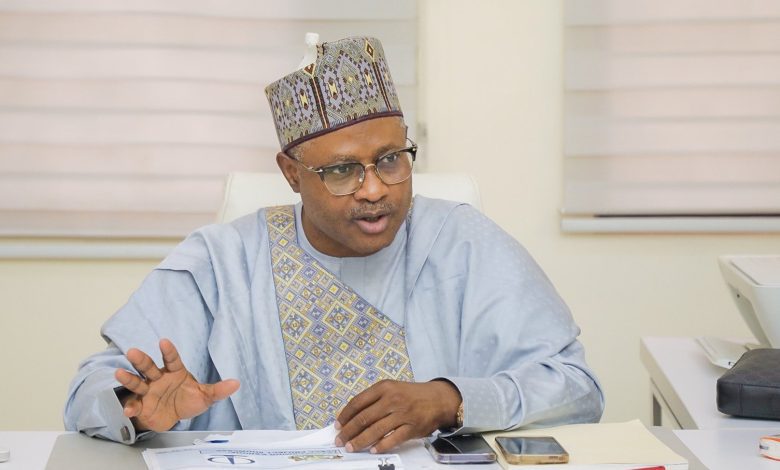
Kaduna State takes a significant step toward aligning its tertiary education system with national standards by extending the retirement age for academic staff in state-owned institutions. Governor Uba Sani signed Executive Order Number 2 of 2024, effectively raising the retirement age from its previous point to 65 years, contingent upon fulfilling specific eligibility criteria. This decision follows a meeting between the governor and representatives of academic unions, where several key concerns regarding staff welfare and institutional funding were addressed. The move is expected to enhance the retention of experienced educators within the state’s tertiary institutions, contributing to improved educational outcomes.
The new policy applies to academic staff at Nuhu Bamalli Polytechnic Zaria, the College of Education Gidan Waya, and the School of Nursing and Midwifery. This standardized retirement age of 65 brings Kaduna State in line with national policy and addresses a long-standing disparity that had placed the state behind its counterparts in terms of retaining experienced academic personnel. The immediate implementation of the Executive Order underscores the government’s commitment to addressing the concerns of the academic community and improving the quality of tertiary education within the state.
Beyond the retirement age adjustment, the meeting between Governor Sani and the academic unions also resolved to address outstanding salary arrears and welfare benefits owed to staff. Recognizing the current financial constraints faced by the state, the governor committed to a staggered payment plan, ensuring that all outstanding liabilities are eventually settled. This demonstrates the government’s willingness to prioritize the well-being of its educational workforce while working within its budgetary limitations.
Furthermore, the issue of institutional funding, particularly concerning the impact of the Treasury Single Account (TSA) system, was discussed. The TSA, while designed to enhance financial transparency and accountability, had reportedly limited the autonomy of tertiary institutions in managing their finances. Governor Sani agreed to initiate a revenue-sharing formula with these institutions within the first quarter of the next year. This signifies a significant step toward addressing the funding challenges faced by these institutions and empowering them to manage their operations more effectively. The details of this sharing formula will be mutually agreed upon to ensure fairness and sustainability.
The dialogue between the governor and the academic unions represents a constructive approach to resolving critical issues within the state’s tertiary education sector. By addressing the demands related to retirement age, outstanding payments, and institutional funding, the government aims to foster a more conducive environment for both academic staff and students. This collaborative approach signifies a move towards strengthening the relationship between the government and the academic community, with the ultimate goal of improving the overall quality of education in Kaduna State.
In essence, the Kaduna State government’s actions demonstrate a multifaceted approach to enhancing its tertiary education system. By addressing the immediate concerns of academic staff while also implementing strategic long-term measures to improve institutional funding and management, the government is laying the groundwork for a more robust and sustainable educational landscape. This commitment to investing in education signifies a recognition of its importance in driving economic growth and development within the state. The positive impact of these changes is anticipated to benefit both the academic community and the broader population of Kaduna State.








