









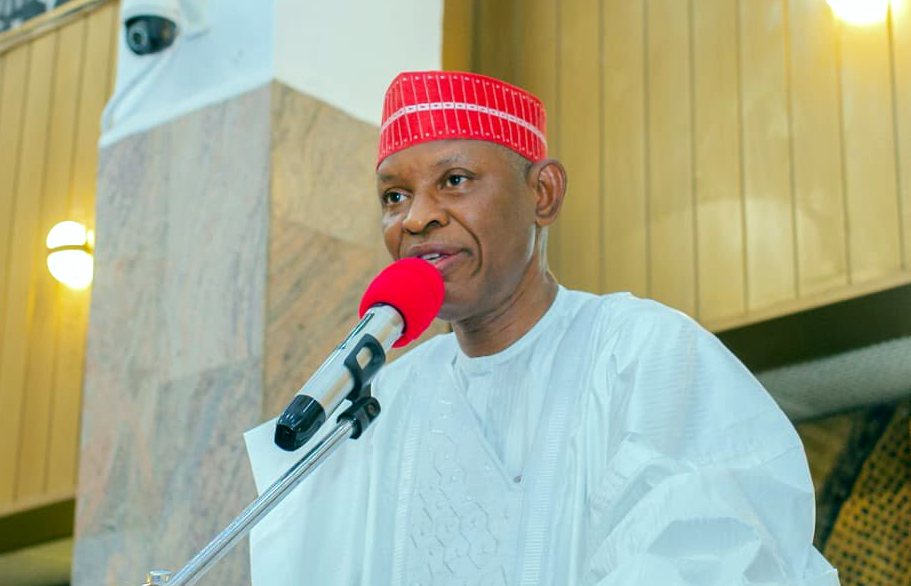
The Kano State Government, under the leadership of Governor Abba Yusuf, is poised to distribute N3 billion in relief funds to victims of the devastating 2024 flood disaster that impacted communities across the state. This substantial financial intervention, derived from a Federal Government grant aimed at supporting states grappling with the flood’s aftermath, signifies a crucial step towards recovery and rebuilding for affected residents. Governor Yusuf emphasized the administration’s commitment to ensuring transparency and accountability in the disbursement process, explaining the delay in distribution as a necessary measure to accurately identify genuine victims and determine appropriate allocation amounts.
The meticulous approach taken by the state government involved a comprehensive identification process to ensure that the relief funds reach the intended beneficiaries. This process, likely undertaken in collaboration with relevant agencies like the National Emergency Management Agency (NEMA) and the Kano State Emergency Management Agency (SEMA), as well as international donor organizations, involved detailed assessments of affected areas and meticulous documentation of victims. This rigorous approach underscores the commitment to preventing mismanagement and ensuring that the aid effectively reaches those most in need. The diligent preparation reflects the gravity of the situation and the government’s dedication to responsible and impactful aid delivery.
With the meticulous identification process now complete, the Kano State Government is ready to commence the distribution of the N3 billion relief fund. Governor Yusuf announced the formation of main and sub-committees tasked with overseeing the distribution process across all 44 local government areas within the state. This decentralized approach aims to ensure efficient and equitable distribution, minimizing logistical challenges and ensuring that the aid reaches even the most remote affected communities. The establishment of these committees highlights the comprehensive nature of the relief effort, emphasizing meticulous planning and execution to maximize the impact of the financial assistance.
The significant allocation of N3 billion underscores the severity of the 2024 flood disaster in Kano State and the extensive damage it inflicted on communities. Flooding often leads to a cascade of devastating consequences, including loss of life, displacement, destruction of homes and infrastructure, and disruption of livelihoods. This financial intervention aims to address these multifaceted impacts by providing crucial support to those who have lost their homes, possessions, and sources of income. The relief fund will likely be utilized to provide immediate necessities such as food, shelter, and medical supplies, as well as to facilitate long-term recovery efforts, including the reconstruction of homes and infrastructure.
The Kano State Government’s commitment to transparency and accountability in the disbursement process is paramount. Given the significant amount of funding involved, ensuring that the resources reach the intended beneficiaries without diversion or mismanagement is critical. The establishment of oversight committees and the meticulous identification process contribute significantly to maintaining transparency and building public trust. This commitment to responsible governance reinforces the integrity of the relief effort and ensures that the funds truly serve their intended purpose of alleviating suffering and facilitating recovery. By prioritizing transparency, the government aims to maximize the impact of the aid and foster a sense of trust among the affected communities.
The distribution of the N3 billion flood relief fund signifies a critical step towards recovery and rebuilding for the affected communities in Kano State. This substantial financial intervention will provide much-needed support to those who have suffered devastating losses due to the flood, helping them to rebuild their lives and livelihoods. The Kano State Government’s commitment to transparency, accountability, and a comprehensive distribution process underscores its dedication to ensuring that the aid reaches the intended beneficiaries and effectively addresses the multifaceted challenges posed by the flood disaster. This proactive approach to disaster relief demonstrates a commitment to building resilience and supporting the long-term recovery of affected communities, paving the way for a stronger and more resilient future.









