The Scourge of Illegal Mining in Ghana: A Call for Comprehensive Action
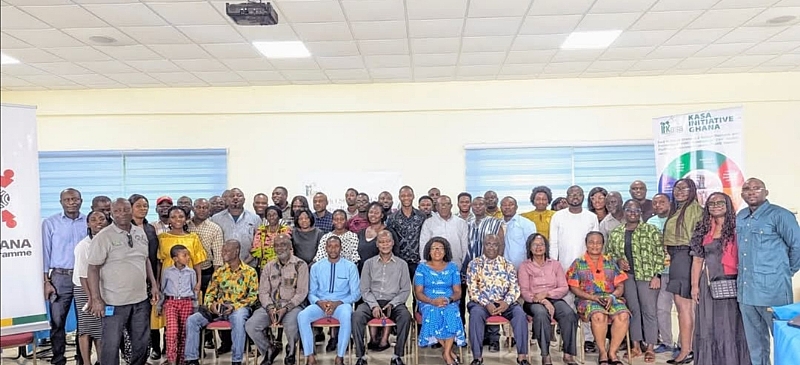
The 15th Annual Civil Society Organizations (CSOs) Natural Resources and Environment Sector Review Forum, convened by the KASA Initiative Ghana in December 2024, served as a crucial platform to address the escalating crisis of illegal mining, locally known as "galamsey." The forum, themed "Confronting the Scourge of Illegal Mining: Required Policy Change and the Role of Political Commitment," brought together key stakeholders from various environmental and resource-focused NGOs to analyze the devastating impacts of this illicit activity and formulate actionable recommendations for its eradication. The resulting communique paints a stark picture of environmental degradation, socioeconomic disruption, and legal loopholes that perpetuate illegal mining, emphasizing the urgent need for cohesive policy reforms and unwavering political will to tackle this national menace.
The devastating environmental consequences of illegal mining were a central focus of the forum. Participants highlighted the widespread contamination of water bodies, rendering them unsafe for human consumption and decimating aquatic life. Deforestation, a direct result of land clearing for mining operations, contributes to habitat loss and biodiversity decline. The forum underscored the interconnectedness of these environmental issues, stressing the need for a holistic approach to rehabilitation and prevention. The continuous depletion of fisheries resources due to water pollution and habitat destruction poses a serious threat to food security and the livelihoods of communities dependent on fishing. These environmental repercussions not only endanger ecosystems but also undermine the sustainable development goals that Ghana strives to achieve.
Beyond the environmental devastation, illegal mining inflicts significant socioeconomic damage on affected communities. Land dispossession, often accompanied by violence and intimidation, deprives farmers and other land users of their livelihoods and ancestral lands. The resulting economic hardship exacerbates poverty and inequality within these communities. Moreover, the health risks associated with exposure to toxic chemicals used in mining processes, such as mercury, pose a severe threat to the well-being of miners and surrounding populations. The forum recognized the urgent need to address these socioeconomic impacts through comprehensive policies that protect land rights, provide alternative livelihood opportunities, and ensure access to healthcare for affected communities.
The forum identified legal and regulatory weaknesses as key enablers of illegal mining. Incoherent laws, coupled with inadequate enforcement mechanisms, create loopholes that allow illegal operators to thrive. The lack of transparency in the allocation of mining concessions further fuels corruption and illicit financial flows. The current legal framework, particularly the Minerals and Mining Act of 2006, was deemed inadequate to address the complexities of illegal mining and its devastating consequences. Participants advocated for a complete overhaul of the existing legislation, emphasizing the need for stricter regulations, enhanced enforcement capacity, and greater transparency in the mining sector.
The forum’s recommendations for policy change span various sectors, reflecting the multi-faceted nature of the illegal mining challenge. In the forestry sector, the forum called for the complete revocation of all mining concessions within forest reserves, designating these areas as strictly no-mining zones. A national forest restoration program was proposed to rehabilitate degraded areas and enhance biodiversity conservation. In the fisheries sector, the focus was on assessing the damage to fish populations and water quality, enforcing a ban on mining activities within water bodies, and establishing a robust river monitoring system to track pollution levels. These measures aim to protect vital aquatic ecosystems and the livelihoods of communities that rely on them.
Land tenure security and community empowerment were central to the forum’s recommendations regarding land management. The forum advocated for the repeal of the Minerals and Mining Act of 2006 and its replacement with legislation that prioritizes environmental protection and community land rights. Providing legal assistance to displaced farmers and raising awareness about land documentation processes were identified as crucial steps to empower communities and protect their land from illegal mining encroachment.
Addressing the water and sanitation crisis caused by illegal mining requires a multi-pronged approach. The forum proposed the development of a shadow report documenting the impact of water pollution on health and livelihoods, to be submitted to the UN Special Rapporteur on Human Rights and Environment. The expedited development and enforcement of buffer zones around water bodies, along with increased funding for regulatory institutions like the Water Resources Commission and Environmental Protection Agency, were deemed essential to protect water resources from further contamination.
Within the mining sector itself, the forum called for a comprehensive overhaul of the regulatory framework. The repeal of LI 2462, which permits mining in forest reserves, was deemed crucial to protect these vital ecosystems. Revising the Minerals and Mining Act to reflect current industry trends and enforcing existing laws against illegal operations were also highlighted as key priorities. Providing small-scale miners with access to geological data and financing would encourage responsible mining practices and minimize environmental destruction.
Recognizing the role of the oil and gas sector in facilitating illegal mining operations, the forum recommended the introduction of a regulated fuel supply system for small-scale mining, coupled with robust monitoring mechanisms to curb illicit distribution practices. Reviewing the tax and revenue-sharing framework to ensure that mining communities benefit more from local resources was also proposed.
Finally, the forum emphasized the interconnectedness of illegal mining with climate change and environmental degradation. Stronger legislation to protect critical environmental areas and the enforcement of penalties for offenders were deemed crucial. The implementation of innovative mechanisms like climate finance and agricultural insurance would help mitigate the adverse effects of illegal mining on vulnerable communities.
The KASA Initiative Ghana’s 15th Annual Forum served as a powerful call to action for all stakeholders to unite in combating the scourge of illegal mining. The comprehensive recommendations put forth represent a roadmap for policy reform and a renewed commitment to sustainable development. The forum’s emphasis on collaboration between government agencies, civil society organizations, and local communities underscores the collective responsibility to safeguard Ghana’s natural resources for future generations. The fight against illegal mining requires sustained political will, effective law enforcement, and active community participation to ensure a future where Ghana’s environment and its people can thrive.