





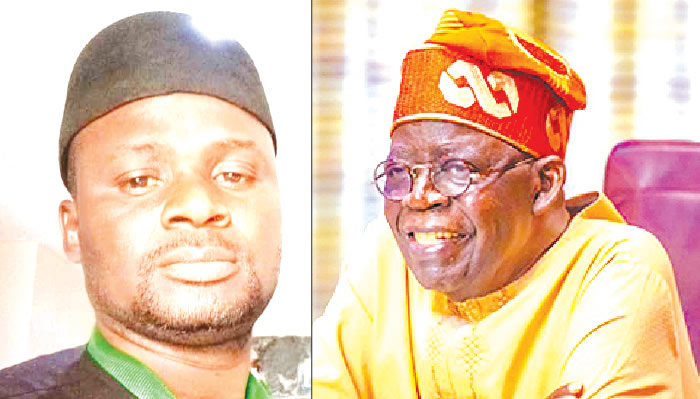
Addressing Nigeria’s Economic Challenges in 2025: Citizens Offer Advice to President Tinubu
As the year 2025 unfolds, Nigerians hold aspirations for a brighter future, marked by economic stability and improved living conditions. In Katsina State, citizens have offered their insights and recommendations to President Bola Tinubu, urging him to prioritize key areas that will have a tangible impact on the lives of ordinary Nigerians. Their primary concern revolves around the nation’s economy, with a particular emphasis on measures to alleviate the financial burdens faced by the populace. Beyond economic considerations, they also highlight the critical need to address insecurity, promote agricultural development, and ensure good governance at all levels.
A prominent concern among Katsina residents is the devaluation of the naira and the escalating cost of fuel. Habibu Ruma, Chairman of Struggle for Good Governance, emphasizes the need for economic policies that translate into tangible improvements for the average Nigerian. While acknowledging the importance of macroeconomic indicators like GDP growth, Ruma stresses that these figures must be accompanied by real-world benefits for citizens. Restoring the value of the naira, reducing fuel prices, and improving power supply are identified as crucial steps towards achieving this goal. Furthermore, Ruma advocates for policies that facilitate trade, reduce barriers to business operations, and create a conducive environment for economic growth.
Ibrahim Al-Amin, a businessman, echoes Ruma’s concerns, particularly regarding the hike in fuel prices. He argues that this policy has been a major contributor to the economic hardship experienced by Nigerians since the beginning of the Tinubu administration. Al-Amin questions the rationale behind importing refined petroleum products when the retail price ultimately undermines the value of the local currency. He proposes a shift towards domestic refining to address this issue. Beyond fuel prices, Al-Amin highlights the persistent issue of banditry, which hampers agricultural activities and threatens food security, especially in the northern regions. He urges the government to take decisive action to curb insecurity and ensure the safety of farmers.
Ambassador Gidado Farfaru Mai Zandam emphasizes the importance of strengthening local governance and promoting agricultural development. He advocates for full autonomy for local government councils and suggests that local government elections be conducted by a national body to ensure fairness and transparency. Shifting focus from oil and gas to agriculture is another key recommendation, emphasizing the sector’s potential to create jobs, enhance food security, and contribute to overall economic growth. Furthermore, Zandam underscores the need for responsible management of government loans and effective measures to curtail illegal businesses operating within Nigeria’s borders.
The overarching message from Katsina residents is clear: President Tinubu must prioritize policies that deliver tangible improvements in the lives of ordinary Nigerians. This includes addressing the devaluation of the naira, reducing fuel prices, and ensuring a reliable power supply. Beyond economic concerns, security, agricultural development, and good governance are crucial areas that require urgent attention. By focusing on these key areas, the government can build a stronger economy, improve living conditions, and foster a sense of hope and optimism for the future.
The citizens’ recommendations offer a valuable perspective on the challenges facing Nigeria and the priorities that should guide government policy. They highlight the need for a more inclusive and equitable economic model, one that benefits all segments of society and not just a select few. The government must listen to the voices of its citizens and take concrete steps to address their concerns. This includes fostering a business-friendly environment, investing in critical infrastructure, and tackling the root causes of insecurity. By working together, the government and its citizens can build a more prosperous and secure future for all Nigerians.
The year 2025 presents an opportunity for Nigeria to reset its economic trajectory and address the pressing needs of its people. President Tinubu has the chance to demonstrate his commitment to improving the lives of ordinary Nigerians by implementing policies that reflect the concerns and aspirations expressed by citizens across the country. This includes not only addressing immediate economic challenges but also investing in long-term solutions that will lay the foundation for sustainable growth and development. The government must prioritize good governance, transparency, and accountability at all levels to build public trust and ensure that its policies are effective and beneficial for all Nigerians.








