





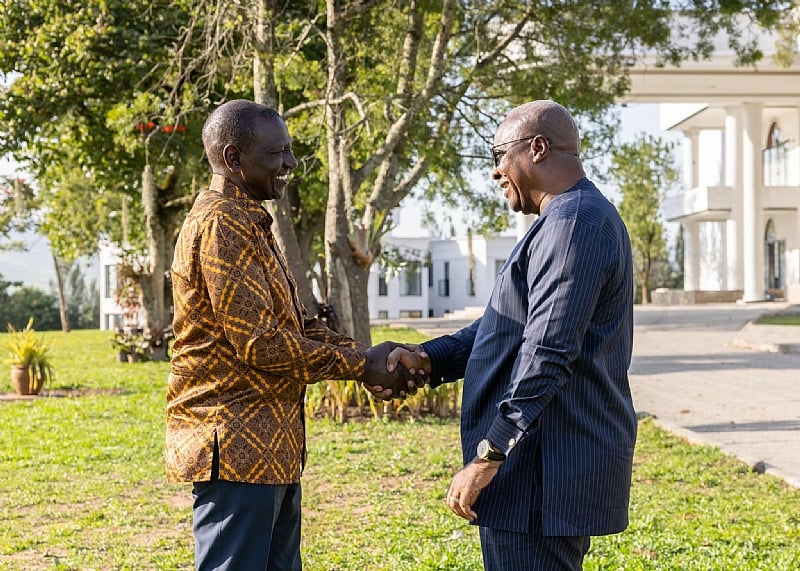
The burgeoning relationship between Kenya and Ghana marks a significant step towards strengthening intra-African cooperation and fostering mutual economic growth. President William Ruto’s recent meeting with Ghana’s incoming president, John Dramani Mahama, solidified this commitment, with both leaders outlining ambitious plans to expand collaboration across a range of key sectors. These sectors, which include trade and investment, agriculture, mining, tourism, and the lucrative oil and gas industry, represent crucial areas of potential growth for both nations. By leveraging their respective strengths and resources, Kenya and Ghana aim to create a synergistic partnership that will unlock new economic opportunities for their citizens and contribute to a more prosperous future for both countries. This partnership also underscores a growing recognition of the importance of intra-African collaboration in driving sustainable development and reducing reliance on external partners.
The commitment to deepening ties between Kenya and Ghana is underpinned by a shared vision of enhanced trade and investment flows. Both nations recognize the immense potential for economic growth through increased bilateral trade and the creation of a more conducive environment for investment. By streamlining trade regulations, reducing barriers to entry, and promoting investment opportunities, Kenya and Ghana aim to create a vibrant economic corridor that will facilitate the exchange of goods, services, and expertise. This intensified economic engagement will not only stimulate private sector growth and job creation but also foster greater regional integration and contribute to the overall economic development of the African continent. Furthermore, it signifies a move towards greater self-reliance within Africa, promoting intra-continental trade and reducing dependence on external economic forces.
Beyond bilateral trade and investment, the partnership between Kenya and Ghana extends to crucial sectors such as agriculture, mining, tourism, and the strategically important oil and gas industry. In agriculture, both countries can benefit from the exchange of best practices, technology transfer, and the development of joint ventures to enhance productivity and food security. The mining sector presents opportunities for collaborative exploration and development of mineral resources, creating jobs and generating revenue for both economies. Tourism, a significant contributor to both countries’ GDP, can benefit from joint marketing initiatives and the development of cross-border tourism circuits. Finally, cooperation in the oil and gas sector offers the potential for shared expertise and infrastructure development, contributing to energy security and economic diversification. These multifaceted collaborations underscore a comprehensive approach to partnership, leveraging the diverse strengths of each nation for mutual benefit.
President Ruto’s endorsement of the African Continental Free Trade Area (AfCFTA) highlights the broader context within which this bilateral partnership is situated. The AfCFTA, envisioned as a single continental market for goods and services, aims to eliminate trade barriers and promote intra-African trade. By actively participating in and supporting the AfCFTA, Kenya and Ghana are demonstrating their commitment to a more integrated and prosperous African continent. This commitment aligns with the growing pan-African movement towards greater economic self-sufficiency and the realization of Africa’s vast economic potential. The AfCFTA provides a framework for increased intra-African trade, which can lead to greater economic diversification, job creation, and improved living standards across the continent.
The meeting between President Ruto and President-elect Mahama also addressed important political dimensions, reflecting the spirit of solidarity and cooperation that underpins their relationship. President Ruto’s expression of gratitude for Mahama’s support of Raila Odinga’s candidacy for the African Union Commission chairperson role underscores the importance of mutual support and collaboration in continental affairs. This gesture signifies a commitment to working together to advance African interests on the global stage and promote African leadership within key international organizations. Furthermore, President Ruto’s intention to attend Mahama’s swearing-in ceremony in Accra symbolizes the strong personal connection between the two leaders and the importance they attach to fostering a close working relationship.
In conclusion, the strengthening ties between Kenya and Ghana represent a significant milestone in intra-African cooperation. The comprehensive nature of the partnership, encompassing economic, political, and social dimensions, sets a positive precedent for future collaborations within the continent. By focusing on key sectors such as trade, investment, agriculture, mining, tourism, and oil and gas, Kenya and Ghana are laying the foundation for sustained economic growth and development. Their commitment to the AfCFTA further strengthens their position as advocates for a more integrated and prosperous Africa. The strong personal connection between the two leaders, coupled with their shared vision for the future, bodes well for the continued growth and success of this important partnership. This collaboration serves as a testament to the potential of intra-African cooperation in driving sustainable development and realizing the shared aspirations of African nations.








