









Ghana’s New Dawn: Mahama’s Vision for Transformation and Unity
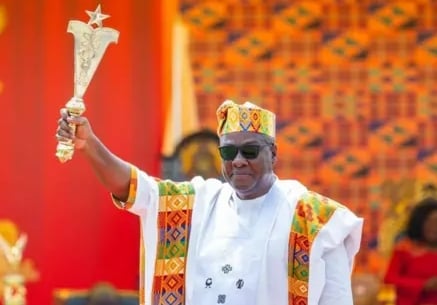
John Dramani Mahama’s return to the presidency marks a pivotal moment in Ghana’s history, punctuated by a resounding call for national unity and a comprehensive vision for the nation’s future. His inauguration speech, a testament to his commitment to democratic principles, began with gracious acknowledgements of his political rivals, highlighting the maturity and resilience of Ghana’s democratic process. This gesture of respect, extending from the early concession of Dr. Mahamudu Bawumia to the acknowledgement of his long-standing rivalry with Nana Addo Dankwa Akufo-Addo, underscores a commitment to placing national interest above partisan politics. This spirit of unity set the stage for the unveiling of Mahama’s ambitious agenda for Ghana’s transformation.
Central to Mahama’s vision is the acknowledgment of the need for a "reset" in Ghana’s governance and economic management. Recognizing the significance of the nation’s 32-year democratic journey, he emphasized the imperative to learn from the past and forge a new path towards progress. This reset signifies a commitment to a more effective and responsive government, dedicated to addressing the challenges facing the nation and fulfilling the aspirations of its people. The inauguration of Professor Naana Jane Opoku-Agyemang as the nation’s first female Vice President symbolizes this commitment to inclusivity and progress, marking a historic milestone in Ghana’s pursuit of gender equality and representative governance.
Mahama’s economic vision centers around the introduction of a dynamic 24-hour economy, with a particular emphasis on revitalizing the agricultural sector and fostering agribusiness. This ambitious plan aims to create a vibrant and sustainable economic ecosystem, generating well-paying jobs and stimulating private sector growth. He pledged to work collaboratively with businesses, fostering a conducive environment for investment and innovation. This partnership between the government and the private sector is crucial for unlocking Ghana’s economic potential and ensuring shared prosperity for all citizens. The administration has identified four strategic priorities: restoring economic stability, enhancing the business climate, implementing governance and constitutional reforms, and strengthening accountability in the fight against corruption. These interconnected priorities represent a holistic approach to governance, addressing both immediate economic concerns and the long-term strengthening of democratic institutions.
Acknowledging the shifting global economic landscape, Mahama highlighted the rise of BRICS nations and their growing influence relative to the G7. This observation underscores the need for Ghana to adapt its economic strategies to navigate the changing dynamics of international trade and partnerships. Preparing for a future shaped by these evolving global forces is crucial for ensuring Ghana’s continued economic growth and resilience. Furthermore, in the wake of recent global health crises, Mahama underscored the importance of strengthening Ghana’s public health infrastructure. This commitment reflects a proactive approach to pandemic preparedness, aiming to protect the lives and well-being of Ghanaians and mitigate the potential impact of future health emergencies.
The rapid advancements in technology, particularly in the field of artificial intelligence, present both opportunities and challenges. Mahama recognized the complex implications of these emerging technologies, specifically addressing the potential risks to national, financial, and personal security. Navigating this technological frontier requires a careful and strategic approach, ensuring that Ghana harnesses the benefits of innovation while mitigating potential risks. Extending an open invitation to the business community, Mahama declared "Ghana is open for business again," signaling a renewed commitment to fostering a vibrant and creative business environment. This proactive engagement with entrepreneurs and business leaders is essential for driving economic growth and creating a more prosperous future for Ghana.
Underpinning Mahama’s vision is a commitment to inclusive governance. He pledged to prioritize diversity and ensure that all Ghanaians have the opportunity to contribute to the nation’s development. This commitment to inclusivity is not just a matter of principle but a strategic imperative, recognizing that a nation’s true strength lies in the collective contributions of its diverse citizenry. Mahama’s call for national unity resonated throughout his inaugural address. He urged all Ghanaians, regardless of their political affiliations or backgrounds, to join hands in building a nation that fulfills its promise – a nation where hope flourishes and dreams become reality. This powerful call to action underscores the importance of collective effort in realizing Ghana’s full potential. Mahama’s vision for Ghana is one of transformation and unity, built on the foundations of democratic principles, economic resilience, and a shared commitment to building a brighter future for all. His presidency promises a new era of progress and prosperity, driven by inclusive governance and a renewed spirit of national purpose.









