









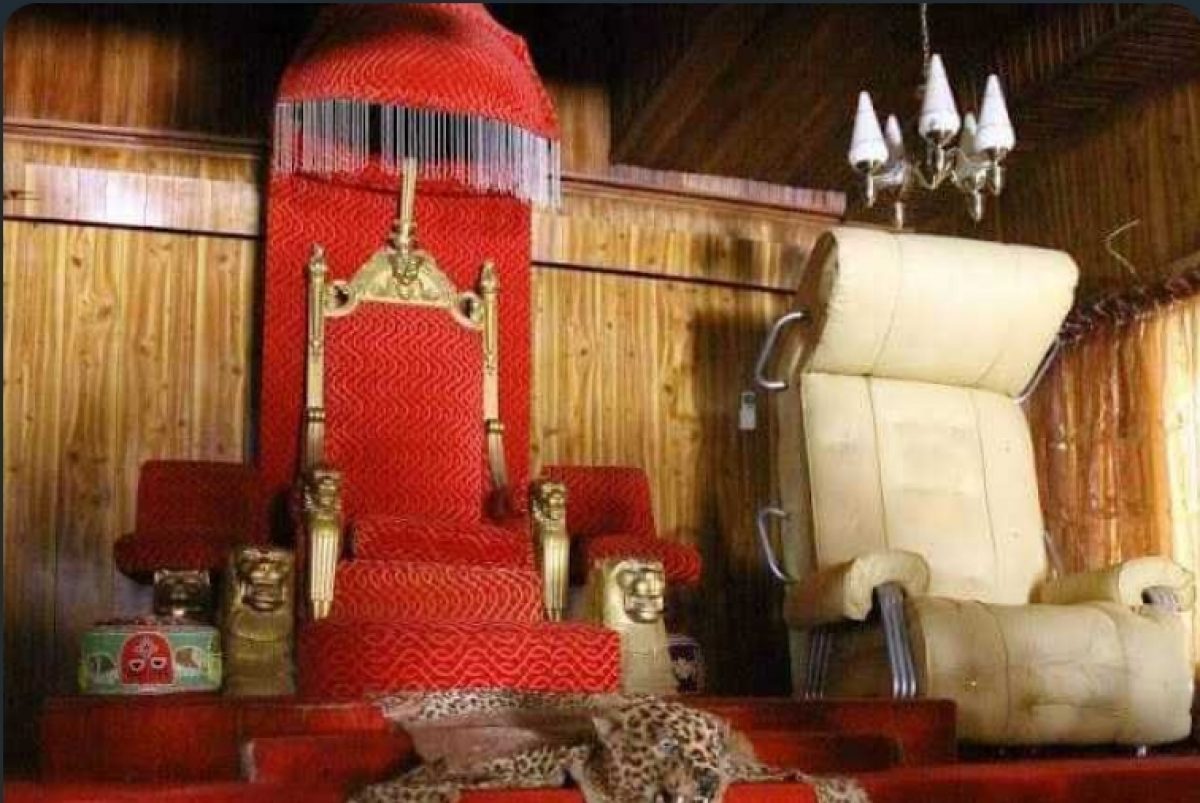
The selection process for a new Alaafin of Oyo has plunged into a contentious dispute, pitting five prominent kingmakers against Governor Seyi Makinde of Oyo State. At the heart of the conflict lies the governor’s directive to initiate a fresh selection process, a move vehemently opposed by the kingmakers who assert that Prince Lukman Gbadegesin has already been rightfully chosen as the Alaafin-elect. The dissenting kingmakers, comprising influential figures within the Oyo chieftaincy system, argue that the governor’s intervention disregards an ongoing court case challenging the selection process, thereby undermining the judicial process. This power struggle threatens to further prolong the vacancy on the throne, left open since the passing of Oba Lamidi Adeyemi III in April 2022.
The five kingmakers challenging the governor’s authority include the Basorun of Oyo, High Chief Yusuf Akinade; the Lagunna of Oyo, High Chief Wakeel Akindele; the Akinniku of Oyo, High Chief Hamzat Yusuf; a warrant chief representing the Asipa of Oyo, Chief Wahab Oyetunji; and another warrant chief standing in for the Alapinni of Oyo, Chief Gbadebo Mufutau. Their collective stance, communicated through a letter penned by their legal counsel, Adekunle Sobaloju (SAN), accuses the governor of orchestrating a parallel selection process involving two newly appointed warrant chiefs and two other high chiefs who oppose Prince Gbadegesin’s selection. This action, they contend, directly contradicts the decision of the majority of kingmakers who had previously endorsed Prince Gbadegesin as the rightful heir to the throne.
The kingmakers’ legal representative, Sobaloju, criticizes the governor’s directive as not only unlawful but also disrespectful to the judiciary. He underscores the existence of a pending court case directly addressing the selection process, arguing that any attempt to initiate a fresh selection while the matter is sub judice amounts to a blatant disregard for the court’s authority. Sobaloju draws parallels between this incident and a previous instance where Governor Makinde allegedly disregarded court proceedings to dissolve democratically elected local government chairmen, painting a pattern of executive overreach. The legal counsel firmly urges the governor to suspend any plans for a new selection process until the pending court case is resolved, emphasizing the need for adherence to the rule of law and respect for the integrity of the courts.
The letter detailing the kingmakers’ grievances reveals that the governor, through the Oyo State Commissioner for Chieftaincy Affairs and chairmen of Atiba and Oyo East Local Government, appointed two new warrant chiefs specifically to participate in a fresh selection process. These appointed chiefs, alongside two other high chiefs who oppose Prince Gbadegesin’s candidacy, were reportedly summoned to the Commissioner’s office and instructed to commence a new selection process. This action, according to the kingmakers’ legal counsel, is a deliberate attempt to circumvent the existing legal proceedings and impose a preferred candidate on the Oyo people.
The ongoing dispute highlights a deeper power struggle between the traditional institution of the Oyo kingdom and the state government. The kingmakers accuse the governor of attempting to manipulate the selection process, potentially motivated by political considerations. The governor’s insistence on a fresh selection process, despite the pending court case and the existing endorsement of Prince Gbadegesin by the majority of kingmakers, raises concerns about potential interference in the traditional selection process. This clash of authorities threatens the sanctity of the Alaafin’s stool and risks further delaying the appointment of a new monarch, leaving the Oyo kingdom in a state of prolonged uncertainty.
The protracted vacancy on the Alaafin’s throne, following the demise of Oba Lamidi Adeyemi III after a remarkable 52-year reign, has created a leadership vacuum within the Oyo kingdom. The escalating tension between the kingmakers and the governor only exacerbates this instability, potentially fueling social and political unrest within the community. The call for adherence to legal processes and respect for the judiciary underscores the importance of resolving this dispute through established legal channels, rather than resorting to actions that could further polarize the situation. The future of the Oyo kingdom hinges on a swift and just resolution to this conflict, ensuring a smooth transition and the appointment of a new Alaafin who can command the respect and support of all stakeholders.









