









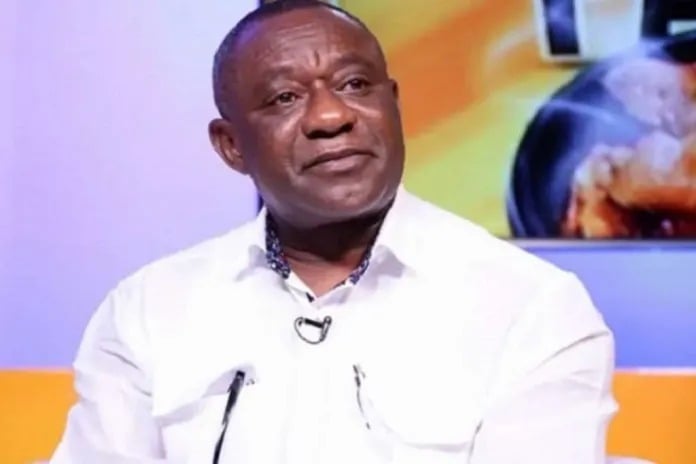
The New Patriotic Party (NPP) finds itself at a crossroads following its defeat in the December 7, 2024, general elections. Former CEO of the Forestry Commission, Henry Kwabena Kokofu, has appealed for calm and unity within the party’s ranks. While acknowledging the sting of defeat, particularly the presidential loss of Vice President Dr. Mahamudu Bawumia to the National Democratic Congress (NDC)’s John Dramani Mahama, Kokofu stressed the importance of introspection and constructive dialogue over divisive blame games. He emphasized that the party’s leadership bears a share of the responsibility for the outcome, but the focus should now shift towards rebuilding and regaining the trust of the Ghanaian electorate. Kokofu’s call for unity comes amidst reports of internal dissent and finger-pointing within the NPP, targeting figures like President Nana Addo Dankwa Akufo-Addo, former Finance Minister Ken Ofori-Atta, and Gabby Otchere-Darko.
The election results reflect a significant shift in the political landscape. Dr. Bawumia secured over 4 million votes, a substantial number, yet it fell short of the over 6 million votes garnered by Mahama. This margin highlights the magnitude of the challenge facing the NPP as it seeks to understand the reasons behind the loss and chart a course for future electoral success. Kokofu’s plea for restraint and a focus on rebuilding underscores the critical need for the party to move forward as a united front, rather than fracturing into factions. He emphasized the inevitability of change in the political sphere, and the NPP must adapt to the current realities to remain a viable force.
Kokofu’s message resonates with the importance of internal party reform and strategic realignment. He acknowledged that assigning blame, though perhaps tempting in the immediate aftermath of defeat, ultimately hinders the process of critical self-assessment. The party needs to engage in a comprehensive review of its policies, campaign strategies, and internal dynamics to identify areas for improvement and regain the confidence of the electorate. This process requires open communication and a willingness to confront uncomfortable truths. Only by understanding the factors that contributed to the loss can the NPP develop a robust plan for future elections.
Beyond internal reform, the NPP must also focus on reconnecting with the Ghanaian people and understanding their evolving needs and aspirations. This involves active listening, engaging in meaningful dialogue with communities across the country, and demonstrating a genuine commitment to addressing their concerns. The party needs to articulate a clear and compelling vision for the future of Ghana that resonates with voters and offers solutions to the challenges they face. This includes addressing issues such as economic development, job creation, education, healthcare, and infrastructure.
Kokofu’s emphasis on limiting blame extends beyond the internal workings of the NPP. He explicitly cautioned against post-election violence, referencing incidents involving some NDC supporters. His message underscores the importance of upholding democratic principles and respecting the will of the people, regardless of the outcome. Peaceful transitions of power are essential for maintaining stability and fostering a healthy democracy. By condemning violence and promoting peaceful conduct, Kokofu reinforces the importance of maintaining national unity and respecting the electoral process.
The NPP’s path forward requires a multi-pronged approach that includes internal reflection, external engagement, and a commitment to democratic values. Kokofu’s call for unity and constructive dialogue serves as a crucial starting point for this process. The party must move beyond the immediate disappointment of defeat and embrace the opportunity to learn, adapt, and emerge stronger. By focusing on rebuilding trust and understanding the needs of the Ghanaian people, the NPP can position itself for future electoral success and continue to play a vital role in shaping the nation’s destiny. This requires a willingness to embrace change, engage in open dialogue, and prioritize the collective good above narrow partisan interests.









