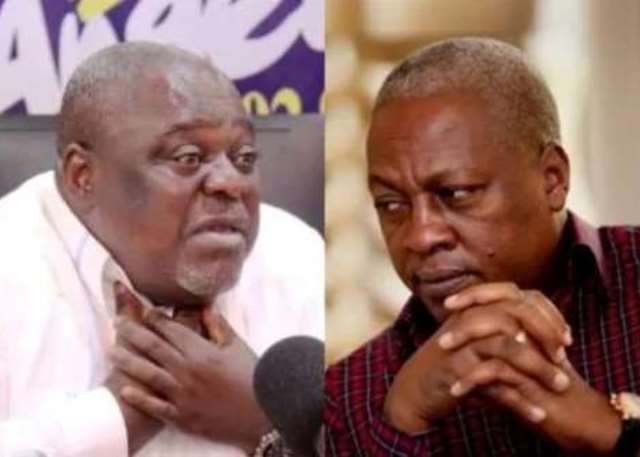
Samuel Koku Anyidoho, a prominent figure in Ghanaian politics and former Deputy General Secretary of the National Democratic Congress (NDC), has publicly disavowed any interest in securing a position within the forthcoming administration of President-elect John Dramani Mahama. Anyidoho, who founded the Atta Mills Institute, a non-profit organization dedicated to preserving the legacy of the late President John Evans Atta Mills, has made it unequivocally clear that his focus remains solely on honoring the memory and furthering the ideals of his former mentor. This declaration, conveyed through a post on the social media platform X (formerly Twitter), underscores Anyidoho’s unwavering dedication to this cause, which he views as his primary vocation and a responsibility transcending the allure of political appointments. His statement reflects a conviction that his purpose lies beyond the realm of governmental service, finding fulfillment in the continuation of President Atta Mills’ vision. It also suggests a sense of self-sufficiency and a belief that his needs will be met through his devotion to this mission.
Anyidoho’s pronouncements come amidst a backdrop of strained relations with key members of the NDC, including President-elect Mahama and National Chairman Johnson Asiedu Nketiah. This tension stems largely from Anyidoho’s unsuccessful bid for the General Secretary position in 2018, a contest that appears to have left lingering animosity. Since then, Anyidoho has been a vocal critic of the party leadership, often engaging in public disputes and expressing dissenting opinions. His pronouncements regarding his lack of interest in a government appointment can be interpreted as a reiteration of his independent stance, further distancing himself from the NDC hierarchy. It serves as a public declaration of his refusal to be beholden to the party or to seek favor from its leaders, reinforcing his image as an outsider dedicated to his own chosen path.
The timing of Anyidoho’s statements, following the NDC’s victory in the 2024 elections, is particularly significant. It suggests a conscious effort to preempt any speculation or pressure regarding his potential involvement in the new administration. By proactively addressing the issue, Anyidoho seeks to control the narrative and solidify his position outside the corridors of power. His assertion that he does not require a government appointment for his survival is a direct rebuttal to those who might perceive his criticism of the party as stemming from personal ambition or resentment over past defeats. This insistence on his independence aims to frame his actions as principled dissent rather than politically motivated maneuvering.
Furthermore, Anyidoho’s references to his past service, or lack thereof, in government positions under both President Mills and the first Mahama administration serve to underscore his point. He highlights the fact that he had not previously sought or held board positions, indicating a consistent pattern of prioritizing his chosen mission over the pursuit of official roles. This serves as evidence to support his claim that his current stance is not a new development, but rather a continuation of his long-standing commitment to President Atta Mills’ legacy. By reminding his audience of his past actions, he seeks to establish credibility and reinforce the sincerity of his present declarations.
Anyidoho’s public statements can also be viewed through the lens of political positioning and strategy. By explicitly rejecting the possibility of a government appointment, he maintains a degree of autonomy and avoids becoming embroiled in the internal politics and power dynamics of the incoming administration. This allows him to continue his role as an independent voice, free to critique and challenge the government without the constraints of party loyalty or the obligations of official office. This strategic positioning allows him to retain his platform and influence while simultaneously distancing himself from potential controversies or failures of the new government.
In essence, Samuel Koku Anyidoho’s declaration against accepting a government appointment under President-elect Mahama signifies more than just a personal choice. It represents a complex interplay of personal conviction, political maneuvering, and the ongoing narrative of his relationship with the NDC. It underscores his commitment to upholding President Atta Mills’ legacy, serves as a rebuttal to his critics, and reinforces his position as an independent voice within the Ghanaian political landscape. His pronouncements, while seemingly simple, resonate with the complexities of political life, illuminating the personal ambitions, ideological clashes, and strategic calculations that shape the actions of individuals within the political sphere.