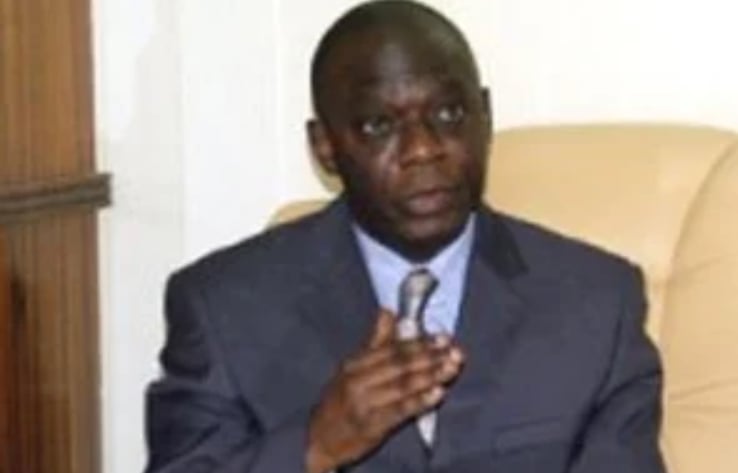
Frank Agyekum, spokesperson for former President John Agyekum Kufuor, has offered a candid assessment of the New Patriotic Party’s (NPP) resounding defeat in the 2024 general elections, attributing the loss primarily to governance missteps under the leadership of President Nana Addo Dankwa Akufo-Addo. Agyekum contends that the warning signs of declining public support were evident for a considerable period, but the party failed to acknowledge and address these issues effectively, leading to the substantial electoral defeat. He emphasizes the principle of leadership accountability, asserting that while leaders receive credit for successes, they must also bear responsibility for failures. In this context, he points directly to President Akufo-Addo, as the party’s leader, as bearing a significant share of the blame for the NPP’s inability to secure a second term.
Agyekum’s analysis delves into specific aspects of governance that he believes contributed to the NPP’s downfall. He highlights a perceived arrogance within the party ranks, a disconnect between the leadership and the grassroots, and a failure to adequately address the economic hardships faced by many Ghanaians. This combination of factors, he argues, created a sense of alienation among the party’s base, ultimately leading to their withdrawal of support at the polls. He suggests that the leadership became insulated from the realities on the ground, failing to grasp the depth of public discontent and thus unable to implement effective corrective measures. This disconnect, coupled with the perceived arrogance, fostered a perception of a party out of touch with the needs and concerns of ordinary citizens.
The magnitude of the NPP’s defeat, marked by a margin of over 1.6 million votes, underscores the severity of the issues raised by Agyekum. This historic loss, the largest for the NPP in decades, signals a profound shift in the political landscape and necessitates a thorough introspection within the party. Agyekum’s critique serves as a starting point for this much-needed self-examination, urging the NPP to confront the shortcomings that led to this unprecedented electoral setback. His comments highlight the importance of not only acknowledging the defeat but also understanding the underlying factors that contributed to it.
Agyekum’s emphasis on the economic hardships experienced by Ghanaians points to the critical role of economic performance in shaping voter perceptions. He argues that the NPP government’s failure to effectively address these hardships, coupled with the perceived disconnect between the leadership and the populace, created a fertile ground for discontent. This discontent, in turn, translated into a significant erosion of support for the incumbent party. The electorate, feeling neglected and burdened by economic challenges, opted for change, handing a decisive victory to the opposition National Democratic Congress (NDC).
The perceived arrogance within the NPP, as highlighted by Agyekum, further exacerbated the situation. This perceived arrogance projected an image of a party unresponsive to the concerns of ordinary citizens, further alienating the grassroots base that had been instrumental in the NPP’s previous electoral successes. The combination of economic hardship and perceived arrogance created a toxic mix that ultimately proved fatal to the NPP’s re-election bid. Agyekum’s analysis suggests that the party’s leadership lost touch with the electorate, failing to recognize the growing discontent and the need for course correction.
Agyekum’s critique offers a valuable perspective on the factors that led to the NPP’s defeat, emphasizing the importance of leadership accountability, responsiveness to public concerns, and maintaining a strong connection with the grassroots. His analysis provides a framework for the party to reflect on its shortcomings and chart a path towards rebuilding trust and regaining the support of the electorate. The scale of the defeat necessitates a comprehensive reassessment of the party’s strategies, its connection with the populace, and its overall approach to governance. The NPP must learn from this experience and implement necessary changes to remain a viable force in Ghana’s political landscape. The 2024 election serves as a stark reminder of the consequences of failing to heed the warning signs and address the concerns of the people.