





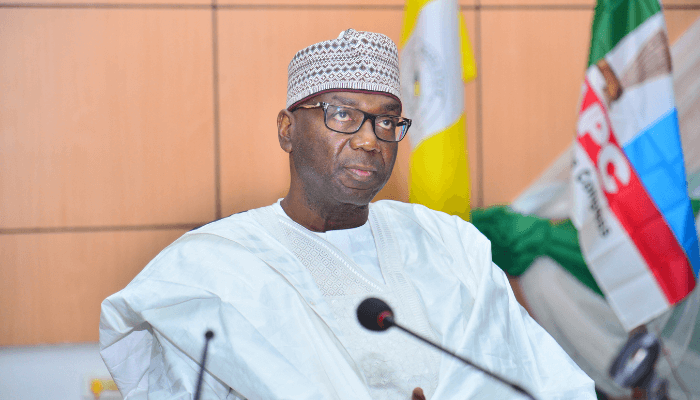
In response to the soaring prices of kerosene and gas used for cooking in Nigeria, Kwara State Governor AbdulRaman AbdulRazaq introduced “Eedu Ramoni,” a new initiative aimed at providing an alternative energy source for domestic food preparation. With cooking gas costing around N1,350 per kilogram and kerosene ranging between N1,350 and N1,500 per liter, the initiative aims to alleviate the burden on households across urban and rural communities. The launch event, attended by various stakeholders, took place in Ijagbo, Oyun Local Government Area, where the governor also emphasized the importance of environmental sustainability. The event included the unveiling of a plan to plant 160,000 trees across 16 local governments in Kwara State to promote land reclamation and enhance the local ecosystem.
Eedu Ramoni is a collaborative effort between the Kwara State Government, the Universal Climate Initiative (UCI), and the Federal Government’s Agro-Climatic Resilience in Semi-Arid Landscapes program. This initiative seeks to produce charcoal using organic materials such as maize, rice, and banana husks, which not only mitigates the reliance on traditional charcoal derived from trees but also reduces deforestation rates. Environmental concerns were a key focus during the launch, with voices emphasizing the need for alternative cooking methods that are both cost-effective and eco-friendly. The initiative promises to improve energy accessibility while preserving local forests, thereby addressing the dual challenges of energy scarcity and environmental degradation.
During the launch, the governor’s address was delivered by Nafisat Buge, the state Commissioner for Environment, underlining the potential of Eedu Ramoni to empower communities. This initiative promises to incorporate energy-efficient stoves and support locally sourced components, fostering a sense of community involvement and ownership. The UCI’s project lead, Mr. AbdulHafiz Alao, outlined the ecological advantages of Eedu Ramoni, promoting a shift away from tree-sourced charcoal that is harmful to the environment. By advocating for a cleaner and more sustainable alternative to conventional charcoal, the initiative aims to address the issues of air pollution and forest conservation simultaneously.
One of the critical advantages of Eedu Ramoni is its composition: it is made entirely from biodegradable agricultural waste, such as orange and banana peels, corn husks, and rice husks. This approach not only provides a viable substitute for traditional charcoal but also encourages the utilization of waste materials that would otherwise contribute to environmental pollution. Alao highlighted how this initiative ensures environmental sustainability by reducing the necessity of deforestation and promoting more responsible land management practices. The commitment to protecting forests underscores the broader goal of the initiative, which is to balance energy needs with environmental conservation.
Moreover, Eedu Ramoni has the potential to create job opportunities, particularly for youth and women in rural communities. Alao emphasized the program’s role in enabling individuals to generate income while engaging in environmentally friendly practices. By conducting training sessions on briquette production, the initiative empowers local communities with the skills necessary for entrepreneurship and employment. This upward trend not only aids in individual financial wellbeing but also enhances the local economy by creating sustainable job opportunities that promote a cycle of environmental stewardship and economic empowerment.
Finally, the affordability and accessibility of Eedu Ramoni position it as a cost-effective fuel option, especially for rural areas where traditional charcoal may be harder to obtain at reasonable prices. The initiative’s focus on using readily available agricultural waste provides a solution to energy scarcity without further straining household budgets. As the project unfolds, it reflects a progressive effort towards sustainable development that aligns social, environmental, and economic goals. Governor AbdulRazaq’s vision for Eedu Ramoni demonstrates a transformative approach to tackling energy challenges while simultaneously fostering community resilience, environmental conservation, and economic viability in Kwara State and beyond.








