





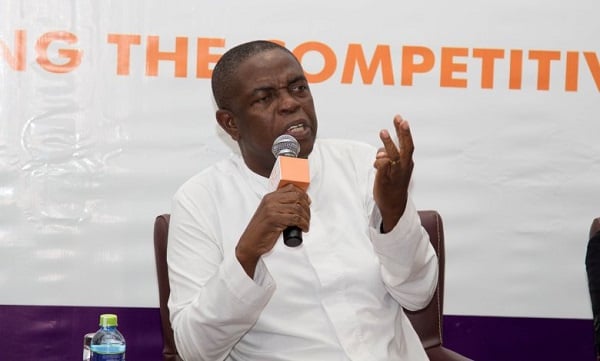
Kwesi Pratt Jnr., the Managing Editor of the Insight newspaper, has expressed serious concerns about the Ghanaian government’s decision to close the country’s land borders just hours before the commencement of the general elections on December 7th. He argues that this action is illogical and will disenfranchise a significant number of Ghanaians residing in border towns. Pratt questions the rationale behind the closure, highlighting the fact that thousands of Ghanaians live in these areas and regularly cross the border for various reasons, including exercising their right to vote. He emphasizes that preventing these citizens from entering the country to cast their ballots effectively denies them their constitutional right and raises serious concerns about the fairness and inclusivity of the electoral process. He uses the example of a Ghanaian living in Lome, Togo, being prevented from crossing the border to vote in Ghana as a clear illustration of disenfranchisement.
The Ministry of the Interior announced the temporary border closure on Friday evening, just a short time before the polls were set to open. The statement, signed by Interior Minister Henry Quartey, justified the decision as a measure to ensure the integrity of the December 7th General Elections. However, the timing and lack of detailed explanation have fueled speculation and criticism, with many, including Pratt, questioning the true motives behind the move. The closure was implemented immediately and scheduled to remain in effect until 6:00 pm on Sunday, December 8th, effectively encompassing the entire election period. The Ministry urged all citizens and travelers to cooperate with state security agencies enforcing the directive.
The border closure decision raises several critical issues. Firstly, the timing of the announcement, just hours before the election, severely limits the ability of affected individuals to make alternative arrangements or challenge the decision. This last-minute implementation raises questions about transparency and due process, potentially undermining public trust in the electoral process. Secondly, the stated reason of ensuring election integrity lacks clarity. The Ministry did not elaborate on the specific threats or risks that the border closure was intended to address. This lack of transparency leaves room for speculation and fuels concerns about the government’s true intentions. Without a clear articulation of the security concerns, the closure appears arbitrary and disproportionately impacts border communities.
Furthermore, the closure disproportionately affects Ghanaians living in border towns, many of whom rely on cross-border movement for their livelihoods, family connections, and access to essential services. The sudden disruption caused by the closure can have significant economic and social consequences for these communities. Beyond the immediate impact on the election, the closure raises concerns about the government’s respect for the free movement of people and the rights of its citizens. Restricting movement within a country’s own borders, especially during a critical democratic process, requires a strong justification and clear demonstration of necessity.
The implications of the border closure extend beyond the immediate election period. It sets a precedent for future elections and raises concerns about the potential for such measures to be used arbitrarily to restrict movement and suppress participation in democratic processes. The lack of transparency and consultation surrounding the decision further erodes public trust in the government and its commitment to upholding democratic principles. The incident highlights the need for clear guidelines and regulations governing border closures, particularly during elections, to ensure that such measures are justified, proportionate, and do not infringe on fundamental rights.
In conclusion, the closure of Ghana’s land borders just hours before the December 7th general elections has sparked controversy and raised concerns about the disenfranchisement of voters, the transparency of the electoral process, and the government’s respect for citizens’ rights. The timing of the announcement, the lack of clear justification, and the potential impact on border communities all contribute to the perception that the closure is a politically motivated move designed to suppress participation and manipulate the election outcome. The incident underscores the importance of upholding democratic principles, safeguarding the right to vote, and ensuring transparency in all aspects of the electoral process. The government’s response to the criticism and its actions in the aftermath of the election will be closely scrutinized to assess its commitment to these fundamental values.








