





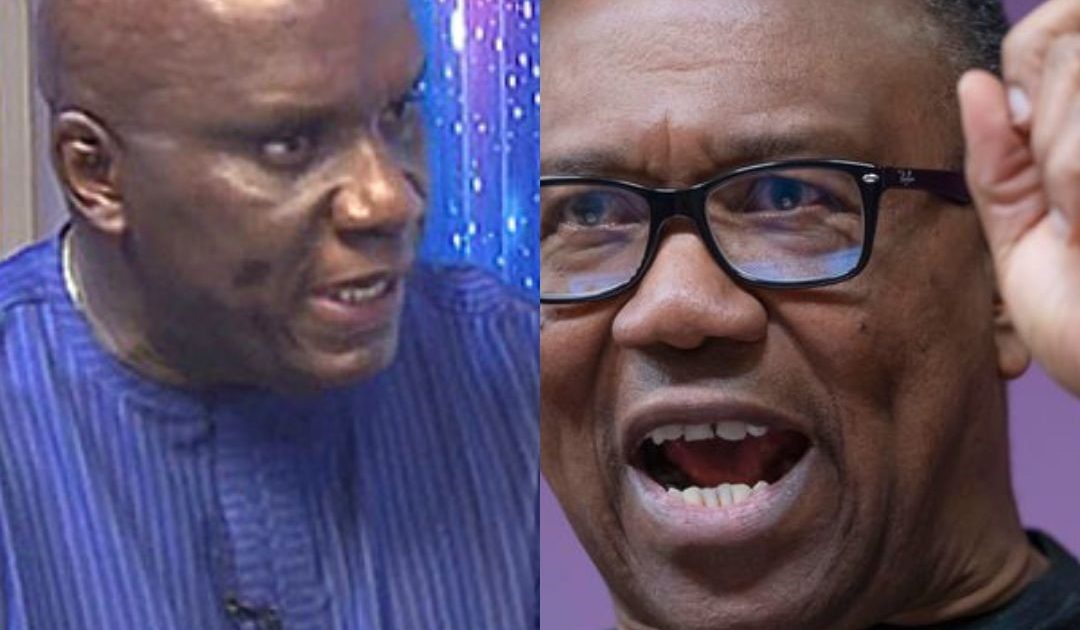
The political landscape in Nigeria experienced a surge in tension following remarks made by Felix Morka, the National Publicity Secretary of the All Progressives Congress (APC), concerning Peter Obi, the 2023 presidential candidate of the Labour Party (LP). Morka’s statements, delivered during a televised interview, were perceived as a veiled threat against Obi’s life, sparking outrage and condemnation from the LP and its supporters. The LP Caretaker Committee, led by Senator Nenadi Usman, issued a strong rebuke, characterizing Morka’s words as incendiary and a direct threat to Obi’s safety, reputation, and business interests. The committee demanded a public apology and retraction from the APC, emphasizing the potential consequences of such reckless rhetoric in a democratic society.
The heart of the controversy lies in Morka’s accusation that Obi had “crossed the line” in his criticism of President Bola Tinubu’s administration. Morka went further, asserting that Obi “deserved whatever came his way,” a statement interpreted by many as a thinly veiled threat. This sparked an immediate backlash, with Obi himself taking to social media to question whether holding the government accountable to the people truly constituted crossing a line. The incident escalated the already tense political climate, prompting concerns about the potential for violence and the suppression of dissent.
The LP’s response was swift and unequivocal. Usman’s statement condemned Morka’s remarks, not only for their perceived threat to Obi but also for their broader implications for democratic discourse and national unity. She highlighted Obi’s longstanding commitment to public service and good governance, contrasting it with what she characterized as the APC’s inability to engage constructively with critical national issues. The LP’s demand for an apology and retraction underscored their view that Morka’s statement was not merely a political misstep, but a serious breach of decorum with potentially dangerous consequences.
The LP’s statement further emphasized the importance of responsible political engagement and the potential consequences of inflammatory rhetoric. Usman warned that such language could undermine national unity, discourage productive dialogue, and endanger lives. The party’s call for accountability extended beyond Morka to the APC leadership, holding them responsible for any harm that might befall Obi or his associates. This strong stance reflected the LP’s determination to protect its candidate and uphold the principles of democratic discourse in the face of what they perceived as an escalating threat.
The situation took another turn when Morka subsequently claimed that he was the target of hundreds of threats, including death threats, allegedly originating from Obi’s supporters. This counter-accusation further muddied the waters, raising questions about the veracity of both sides’ claims and the potential for the situation to spiral into a cycle of accusations and counter-accusations. The incident underscored the volatile nature of Nigerian politics and the potential for seemingly isolated incidents to escalate into broader conflicts.
The clash between the APC and the LP highlighted the precarious state of political discourse in Nigeria. The LP’s insistence on an apology and retraction from the APC, coupled with their call for a security investigation, underscored their commitment to holding political actors accountable for their words and actions. The incident served as a stark reminder of the importance of responsible political engagement and the potential consequences of inflammatory rhetoric in a fragile democracy. The long-term implications of this incident remain to be seen, but it undoubtedly contributed to the ongoing tension and polarization within the Nigerian political landscape.








