Paragraph 1: A Historic First for African Fencing
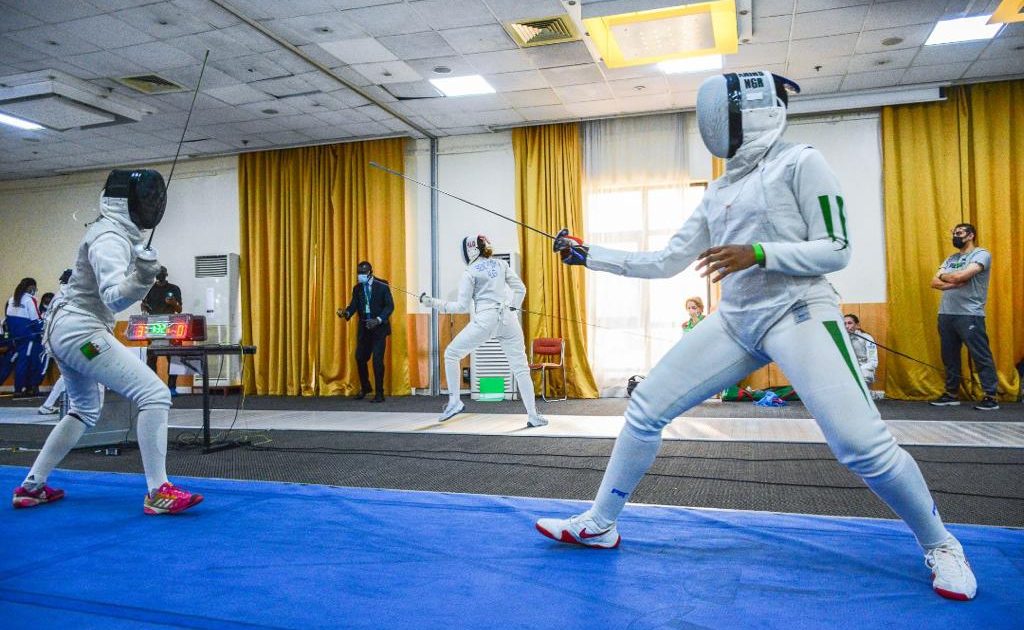
Nigeria is poised to etch its name in the annals of fencing history as it hosts the first-ever Men’s Junior Epee World Cup in Sub-Saharan Africa. This groundbreaking event, scheduled for December 14-15 at the prestigious Charterhouse Lagos, signifies a monumental leap forward for the sport in the region. Sanctioned by the International Fencing Federation (FIE), the tournament will witness the convergence of young fencing talents from across the globe, representing nations such as Benin Republic, Egypt, Ghana, Greece, Hong Kong, Saudi Arabia, Togo, Oman, and the host nation, Nigeria. This momentous occasion underscores Nigeria’s growing prominence in the world of fencing and its commitment to nurturing young athletes on the international stage.
Paragraph 2: A Crucible of Competition and Ranking Points
Thirty-four fencers will engage in fierce competition across individual events, vying for coveted honors and crucial world ranking points. These points hold immense significance as they contribute to the athletes’ qualification prospects for future international tournaments, including the 2028 Los Angeles Olympic Games. The Charterhouse Lagos, an iconic landmark, will serve as the backdrop for this intense sporting spectacle. The presence of high-ranking officials from the FIE and the Commonwealth Fencing Federation further emphasizes the tournament’s importance and the international recognition it has garnered.
Paragraph 3: Nigerian Hopes and International Challenges
Nigeria’s own fencing hopefuls, led by the promising Wisdom Okanlawon, will face a formidable challenge from some of the world’s top-ranked junior epee fencers. Egypt’s Eslam Osama, the tournament’s top seed, leads a strong Egyptian contingent that includes Youssef Shamel (second seed) and Mahmoud Elsayed (third seed). These Egyptian fencers, renowned for their skill and precision, will undoubtedly be forces to reckon with. Other notable contenders include Hong Kong’s Kenton Jia Hsu and Greece’s Artemios Tzovanis, further elevating the level of competition and promising a thrilling display of fencing prowess.
Paragraph 4: A Catalyst for Growth and Development
The Nigeria Fencing Federation, under the leadership of Adeyinka Samuel, views this tournament as a pivotal moment in the development of fencing in the country and the wider African region. Hosting such a prestigious event allows Nigerian athletes to compete on home soil, reducing travel costs and maximizing their opportunities to earn valuable ranking points. This marks a significant departure from the past, where Nigerian fencers often had to travel abroad for major competitions. The tournament is also expected to inspire and motivate a new generation of fencers, further fueling the sport’s growth and popularity in Nigeria.
Paragraph 5: Reaping the Rewards of Preparation
Months of meticulous planning and preparation have gone into organizing this landmark event. The Nigeria Fencing Federation, along with its partners and sponsors, has worked tirelessly to ensure the tournament’s success. The athletes themselves have dedicated countless hours to honing their skills and refining their techniques in anticipation of this momentous occasion. The culmination of these efforts will be on full display during the two-day tournament, showcasing the dedication, passion, and talent of these young fencers.
Paragraph 6: A Legacy in the Making
The hosting of the Men’s Junior Epee World Cup represents more than just a sporting event; it’s a testament to Nigeria’s commitment to the development of fencing and its growing influence on the global stage. The tournament is expected to leave a lasting legacy, inspiring future generations of Nigerian fencers and contributing to the continued growth of the sport across Africa. Furthermore, Nigeria’s bid to host the Commonwealth Fencing Championships in 2026 demonstrates the nation’s ambition to become a leading hub for fencing in the region, solidifying its position as a key player in the international fencing community.