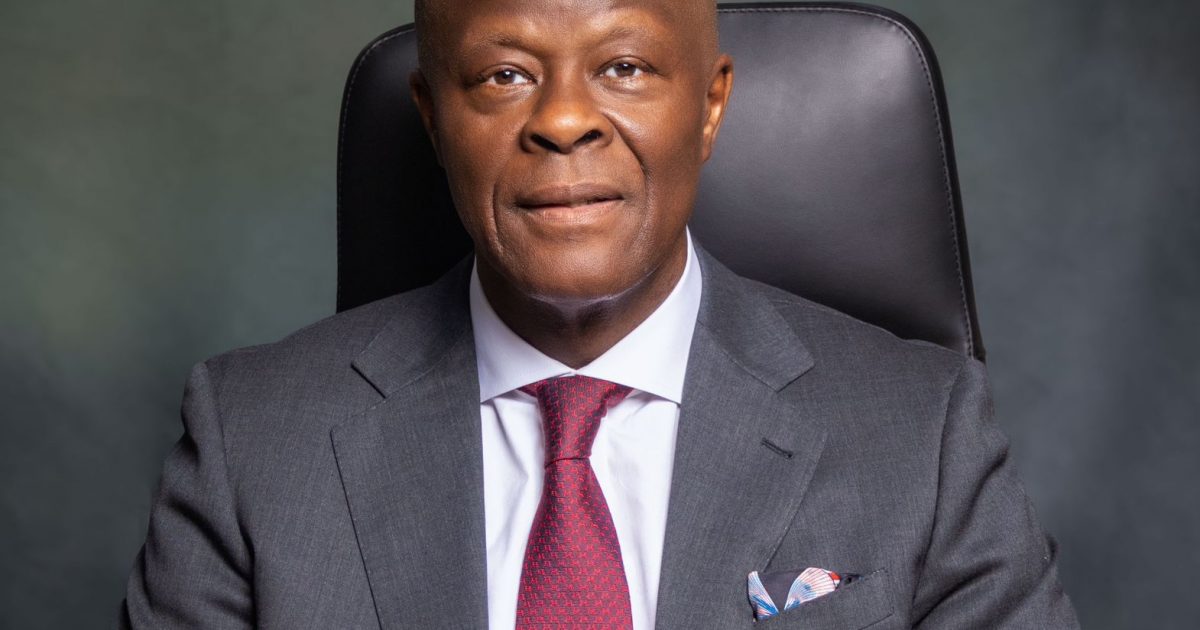
The Finance Minister and Coordinating Minister of the Economy, Wale Edun, emphasized the pivotal role of Lagos State in enhancing Nigeria’s economic landscape at the Eko Revenue Plus Summit, which focused on unlocking new revenue streams. Edun, represented by Dr. Armstrong Takang of the Ministry of Finance Incorporated, underscored that Lagos contributes an impressive 25% to Nigeria’s GDP despite operating on a significantly smaller budget of N3.5 trillion for 2025 compared to the federal allocation exceeding N40 trillion. This disparity highlights the challenge Lagos faces in adequately providing infrastructure and improving the quality of life for its residents. Edun’s address called for a reassessment of financial strategies, encouraging Lagos to innovate rather than rely solely on traditional tax revenue.
The call for expanding Lagos’s economic base lies in the minister’s assertion that mere taxation will not suffice to meet the state’s aspirations. He stressed the necessity of engaging in broader discussions about increasing economic opportunities rather than merely splitting existing resources. To realize this vision, the minister urged Lagos to adopt policies that stimulate investment influx and diversify its economic sources. He advocated for a collaborative approach among stakeholders, highlighting Lagos’s potential as a model for surrounding states looking to replicate its economic successes.
Public-private partnerships (PPPs) emerged as vital for financing Lagos’s ambitious infrastructure goals. Edun pointed out that even allocating the entirety of Lagos’s budget to capital projects would fall short of meeting the state’s infrastructural needs. To bridge this gap, he proposed fostering collaborations with international organizations to mobilize the necessary resources. The minister’s emphasis on PPPs underscored the importance of leveraging both public and private sector strengths for sustainable growth and infrastructural advancement in Lagos.
Another innovative avenue for revenue generation highlighted by Edun involves digitizing and optimizing land asset management. Many of Lagos’s potential investments lie with its land titles, yet a vast number remain unregistered or poorly documented, limiting revenue opportunities. By establishing a comprehensive asset register and modernizing its management systems, Lagos could unlock billions in investments tied to these assets. The minister asserted that understanding what the state owns is just as crucial as knowing what it owes, thus enabling a more strategic approach to asset utilization and revenue generation.
Further, Edun stressed the importance of collaborative efforts between Lagos and the federal government for large-scale initiatives, such as the Green Line Project with China. He posited that significant capital investments required for infrastructure expansion necessitate synergy between state and federal authorities. Exploring innovative financing models, including blended finance, could help attract private sector capital for long-term societal needs like agriculture and housing. This strategic alignment of resources and initiatives is crucial for bolstering economic activities, thereby increasing tax revenues for Lagos.
In conclusion, Minister Edun’s discourse reinforced the critical role Lagos State plays in Nigeria’s economic transformation, advocating for progressive and bold strategies to achieve sustainable growth. His emphasis on creating a “bigger economy” rather than merely increasing revenues necessitates focusing on enabling a thriving private sector while ensuring equitable development throughout the state. Edun’s insights reflect a forward-thinking approach that aims at positioning Lagos as a leader in economic policy implementation, ultimately contributing to Nigeria’s overarching growth goals.