The Federal Government of Nigeria implemented a transport fare reduction program to alleviate the financial burden of travel during the Yuletide season of December 2024 and January 2025. This initiative, born from a partnership with key stakeholders in the road transport sector, including unions and transport associations, offered a 50% discount on road travel fares and free rail transportation. The program aimed to ease the strain of holiday travel costs for Nigerians across the country. The rollout of the program, initially slated for December 20th, 2024, faced delays due to funding hurdles from the Ministry of Finance. Despite these initial setbacks, the scheme eventually commenced, providing much-needed relief to travelers.
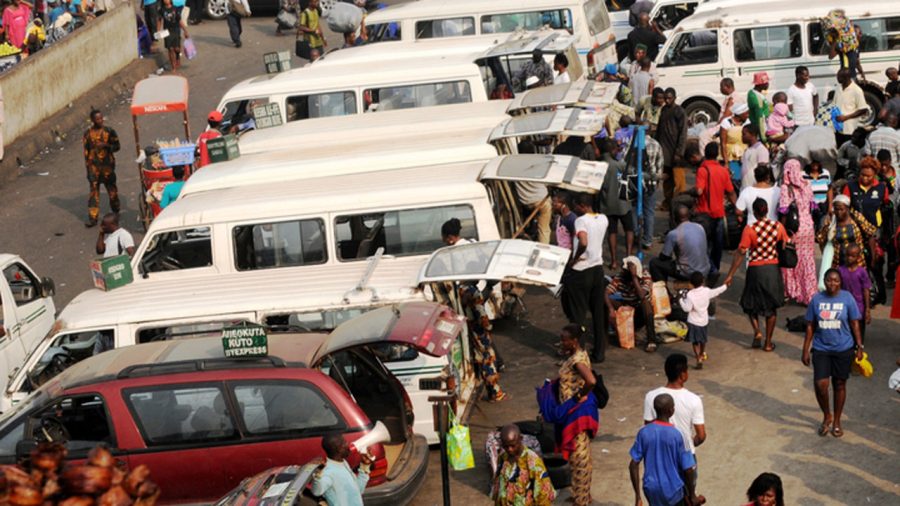
The program covered 144 routes from Abuja and Lagos to all state capitals (with Onitsha representing Anambra State) and utilized 708 vehicles. The discounted fares were available from December 24th, 2024, to January 5th, 2025. Significant passenger traffic was observed at various transport hubs, like the Oshodi bus terminal in Lagos, as people embraced the opportunity to travel at reduced costs. Passengers expressed gratitude for the government’s intervention, highlighting the relief it provided, especially for those who might have otherwise postponed their annual journeys to reunite with family and loved ones during the festive period. The reduced fares enabled many to undertake these journeys, fostering a sense of connection and celebration during the holidays.
To ensure the seamless execution of the initiative, the government established a comprehensive monitoring system. This included deploying staff across all 36 states of the federation and establishing a situation room at the Ministry of Transportation. The situation room served as a central hub for receiving feedback and addressing any challenges that arose during the program’s implementation. Multiple communication channels, including WhatsApp numbers, SMS lines, and call lines, were made available to facilitate real-time reporting and resolution of issues. This proactive approach ensured that the benefits of the program reached the intended recipients efficiently and effectively.
The Minister of Transportation, Senator Said Alkali, outlined the program’s scope, revealing daily projections of 17,588 road passengers, culminating in a total of 288,644 travelers over the 13-day period. Rail transportation was expected to serve an even greater number, with 320,000 passengers projected over 17 days. The Minister emphasized the collaborative nature of the initiative, explaining how the government engaged with various transport associations and companies to determine fair and representative fares. This consultation process ensured that the discounted rates reflected market realities and provided tangible benefits to travelers.
Representatives from participating transport associations, like Yusuf Ibrahim, the General Secretary of the Road Transport Employers’ Association of Nigeria, affirmed the program’s positive impact. They noted the substantial turnout of passengers and the efficient deployment of buses across various states, tailored to accommodate varying levels of demand. The program, having run successfully in previous years, was highly anticipated by the public, evidenced by the enthusiastic response. The abundance of deployed buses ensured that the increased passenger demand was met efficiently, minimizing wait times and ensuring a smooth travel experience.
The government’s transport fare reduction initiative during the 2024/2025 Yuletide season provided substantial relief to travelers, fostering connectivity and facilitating celebratory journeys. The collaboration between the government and transport stakeholders, the comprehensive monitoring system, and the wide reach of the program demonstrated a commitment to supporting citizens during a period of significant travel. The positive response from the public and the smooth execution of the initiative underscore its effectiveness in addressing the financial burdens associated with holiday travel. The program served as a tangible example of government intervention aimed at improving the lives of its citizens and promoting a sense of national unity during a festive period.