









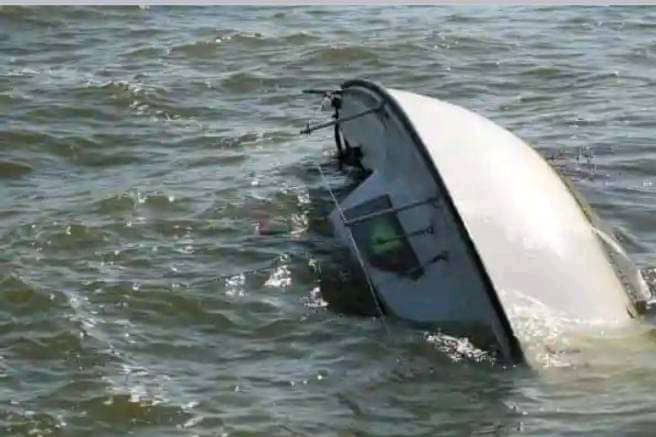
On Tuesday, the House of Representatives expressed deep concern over the alarming rate of boat accidents in Nigeria, calling for a federal investigation into the recurring tragedies that have resulted in significant loss of life and property. This urgent discourse was sparked by the motion titled “Need to investigate the incessant boat mishaps in Nigeria’s waterways,” introduced by Mr. Unyime Idem, the representative for Ukanafun/Oruk Anam Federal Constituency in Akwa Ibom State. The issues surrounding these frequent accidents have escalated to a point where lawmakers feel immediate action is necessary to avert further disasters and safeguard the lives of citizens who rely on waterways for transportation.
Idem highlighted the gravity of the situation, noting that boat accidents in Nigeria have surged alarmingly and have been catastrophic in their consequences. He referenced the most recent tragedy, the Kogi boat accident on November 29, 2024, which occurred in the Dambo-Ebuchi waterways of the River Niger. This incident involved over 160 passengers, with only 24 rescued and approximately 54 confirmed dead, while many others remain unaccounted for. The magnitude of this and prior incidents illustrates a dire need for intervention as the Kogi incident alone marked the third substantial boat accident in Nigeria within a mere two months.
In a broader context, Idem illustrated the recurring nature of these accidents, recalling a previous incident on October 3, 2024, where a wooden dugout canoe capsized in the River Niger, resulting in an estimated 200 fatalities among the 300 passengers onboard. Additionally, only a week prior to the Kogi tragedy, a collision between two boats in Delta State claimed five lives, underscoring the dangerous trends in maritime travel within the nation. These series of calamities have brought to light the urgent necessity for enhanced safety protocols and infrastructure to protect individuals traversing Nigeria’s waterways.
The identification of causes for these multiple incidents reveals a troubling pattern attributed to various factors, such as poor boat maintenance, inadequate design, overloading, and the absence of essential safety equipment and cohesive emergency response strategies. Idem asserted that despite this knowledge, the frequency of accidents persists, highlighting concerns over regulatory agencies like the Nigerian Maritime Administration and Safety Agency (NIMASA) and the National Inland Waterways Authority (NIWA). He contended that these organizations seem to prioritize revenue generation over the pressing need for passenger safety, thereby exacerbating the crisis.
Idem’s warnings encompassed not only the immediate perils of such negligence but also the psychological trauma and economic repercussions that ensue from these tragedies. The impact of these accidents extends to families and communities, illustrating a profound societal effect that must be addressed with urgency. Without serious enhancements to safety and emergency response frameworks, the risk for further casualties and losses remains substantially high.
The House of Representatives concluded by adopting the motion, thereby urging the federal government to initiate a thorough investigation into the recent spate of boat accidents. This inquiry aims to derive critical insights and provide actionable recommendations geared toward improving maritime safety standards across the country. The legislators’ call to action marks a significant step toward recognizing the vulnerabilities within the navigation system and prioritizing the safety of citizens who depend on these vital transportation routes.









