









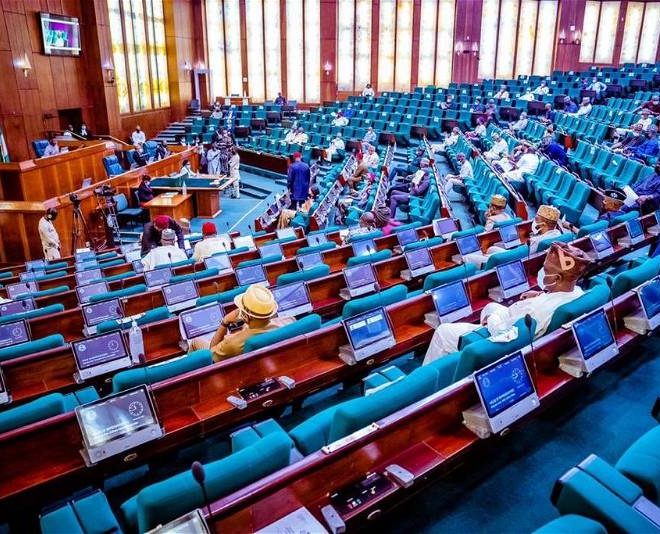
The Nigerian House of Representatives is currently deliberating on a proposed constitutional amendment that seeks to revolutionize the management of borrowed funds and excess revenue accruing to the Federal Government. Sponsored by Mansur Soro, the representative of Darazo/Ganjuwa Federal Constituency, Bauchi State, the bill aims to establish a dedicated account specifically for all borrowed funds, grants, and credits received by the government. This move, according to Soro, is crucial for enhancing transparency and accountability in the utilization of these funds, as the current practice of pooling borrowed funds with Internally Generated Revenue (IGR) creates an opaque environment conducive to mismanagement. The bill mandates periodic public reporting on the utilization of these funds, ensuring that the Nigerian people are kept abreast of how these resources are being deployed. This proposed amendment is particularly pertinent given the escalating national debt, which has reportedly surpassed N134 trillion, underscoring the urgent need for more stringent financial oversight.
Soro argues that the commingling of IGR and borrowed funds in a single account makes it exceedingly difficult to track the specific application of loans, hindering effective monitoring and evaluation. This lack of transparency raises serious questions about the judiciousness of government spending, potentially masking misappropriation or inefficient allocation of resources. By segregating borrowed funds into a dedicated account and mandating regular reporting, the proposed amendment aims to shine a light on these transactions, fostering greater accountability and public trust. This is a vital step, especially in the context of Nigeria’s mounting debt burden, where every borrowed naira must be accounted for to ensure its effective and responsible utilization.
In addition to the dedicated account for borrowed funds, the bill also addresses the management of excess revenue from hydrocarbon sales. Soro, along with co-sponsor Isiaka Ibrahim, representing Ifo/Ewekoro Federal Constituency, Ogun State, proposes strengthening the National Sovereign Investment Authority (NSIA) and abolishing the Excess Crude Account (ECA). The bill mandates that all excess revenue from hydrocarbon sales be channeled into the NSIA for investment purposes, benefiting both the Federal Government and sub-national entities. This approach, they argue, is a more prudent and sustainable way to manage this windfall, as opposed to the current ECA model, which Soro criticizes for its susceptibility to misuse, citing the alleged utilization of ECA funds for arms procurement without due process.
Soro’s critique of the ECA stems from the perception that it offers inadequate safeguards against the misappropriation of funds rightfully belonging to all tiers of government. He argues that the NSIA, designed specifically for long-term investment and wealth creation, presents a more secure and productive avenue for managing these resources. By investing excess hydrocarbon revenue through the NSIA, the bill aims to ensure that these funds generate long-term returns for the benefit of all Nigerians, rather than being subject to short-term political expediency. This shift in strategy, Soro believes, will safeguard the nation’s financial future and ensure a more equitable distribution of resource benefits.
Beyond these specific legislative proposals, Soro also emphasizes the broader need for fiscal prudence and responsible borrowing. He cautions against excessive reliance on loans, urging the Tinubu administration to prioritize revenue generation and curb leakages within the system. He emphasizes that borrowing should only be considered as a last resort, when absolutely necessary, and that the current financial climate demands a more restrained approach to public spending. Soro’s call for fiscal responsibility highlights the importance of maximizing existing revenue streams and minimizing wasteful expenditure as crucial steps towards achieving sustainable economic growth.
Soro’s advocacy for greater transparency and accountability in the management of public funds reflects a growing concern within Nigeria about the sustainability of its current fiscal trajectory. His proposals for a dedicated account for borrowed funds, strengthening the NSIA, and abolishing the ECA represent concrete steps towards achieving greater fiscal responsibility. Coupled with his calls for prudence in borrowing and plugging revenue leakages, these initiatives aim to create a more robust and transparent financial system, ultimately ensuring that public resources are utilized effectively for the benefit of all Nigerians. The success of these proposals, however, will hinge on the political will to implement these reforms and enforce the necessary oversight mechanisms.









