









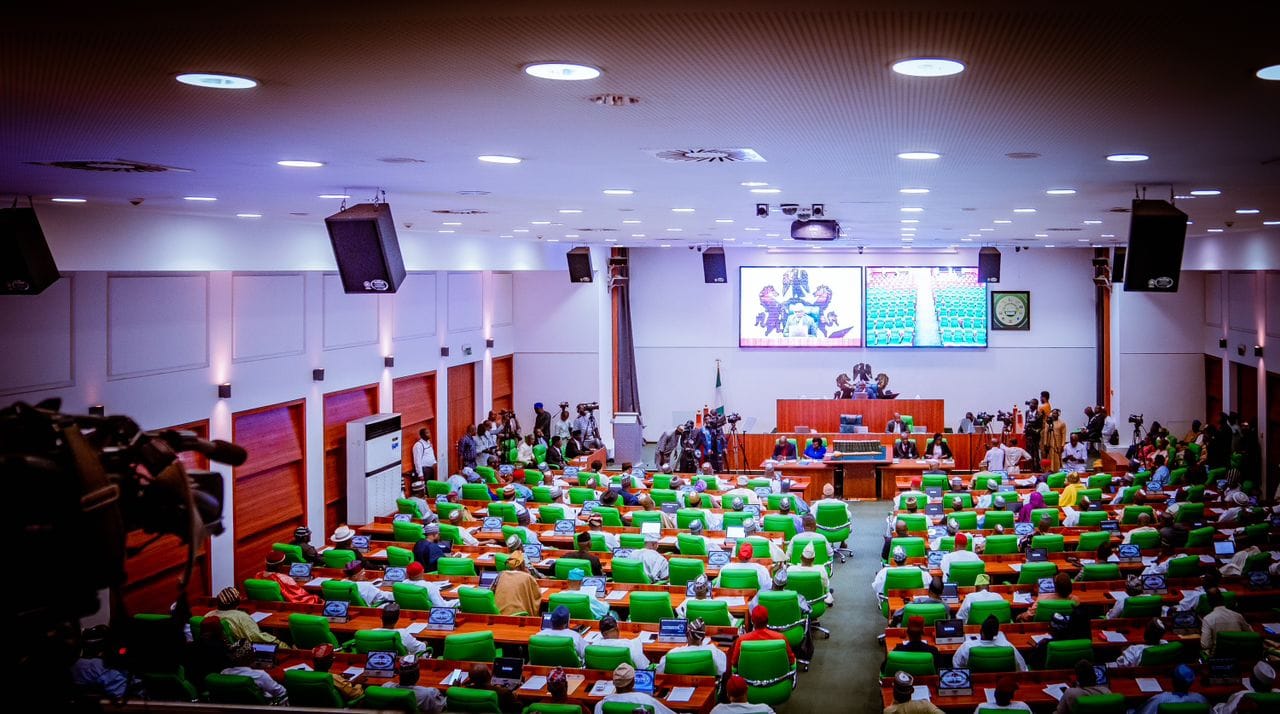
Tensions are rising in the House of Representatives over President Bola Tinubu’s $2.2 billion loan request aimed at addressing a significant portion of the N9.7 trillion shortfall in the 2024 federal budget. The proposal has already secured the Senate’s approval, setting the stage for robust debate among lawmakers from both the ruling All Progressives Congress (APC) and the opposition. Deputy Spokesperson for the House, Philip Agbese, indicated that despite the notable size of Nigeria’s current public debt at N136 trillion, the House thematically endorses the loan as it promises to fund vital infrastructure projects. This move is positioned as part of a broader governmental effort to enhance capital investment across Nigeria, a critical factor to stimulate the economy after years of under-investment in essential sectors.
Agbese highlighted that the House is committed to rigorous scrutiny of the loan request to ensure due process and transparency. He argued that the current administration has demonstrated prudent fiscal management, assuring that the funds, if approved, will be meticulously allocated towards capital development rather than recurrent expenditures. This stance hinges on the belief that previous administrations mismanaged borrowed funds, leading to questions about the validity and utility of such loans. The Deputy Spokesperson asserted the need for the House to actively oversee that all borrowed resources serve the public interest and fulfill their intended purpose effectively.
Contrasting perspectives emerge from the minority caucus, which is apprehensive about further increasing Nigeria’s debt burden. Kingsley Chinda, the leader of the minority faction, echoed concerns that borrowing should only be utilized as a last resort after all possible alternatives have been explored. He emphasized the necessity for accountability by demanding clear answers regarding the intended projects for the loan and their expected impacts on the country’s financial health. The minorities’ inquiry into the government’s fiscal strategy aims to scrutinize whether there are viable, non-debt-related avenues of funding and the potential risks associated with elevated borrowing levels.
Chike Okafor, an APC lawmaker, supported the loan request, asserting that Nigeria’s historical under-investment in infrastructure necessitates the borrowing for critical sectors like roads, health, education, and agriculture. He contended that without such investment, the country risks deepening economic deficits that could hinder future growth. His perspective underscores a fundamental divide in the House: while some view borrowing as a crucial mechanism for stimulating economic recovery through capital projects, others perceive it as a threat to Nigeria’s fiscal stability. This ongoing debate is reflective of the broader concerns about the implications of escalating national debt levels.
As Nigeria’s public debt reached an alarming N87.38 trillion ($113.42 billion) by mid-2024, legislators like Afam Oghene emphasized the public’s growing anxiety regarding the government’s persistent demands for loan approvals. This sentiment highlights a pervasive concern not only about the costs of borrowing but also about the integrity and effectiveness of capital projects funded through these loans. Oghene articulated a clear call for transparency and accountability, stressing the importance of government assurances regarding the judicious management of borrowed funds, and mindful of the potential economic challenges presented by recent policy changes such as removing fuel subsidies.
Ultimately, the framework of this debate highlights the need for a more comprehensive strategy that prioritizes sustainable economic growth over temporary solutions. While legislators in favor of the loan assert that it will facilitate necessary infrastructure improvements, opponents worry about the debt’s long-term implications, advocating for more prudent fiscal practice. As discussions progress, the challenge remains for lawmakers to reconcile these differing viewpoints and prioritize the welfare of Nigerians in developing a constructive path forward, ensuring that financial decisions foster long-lasting improvements and do not merely serve as a band-aid over existing fiscal difficulties.









