









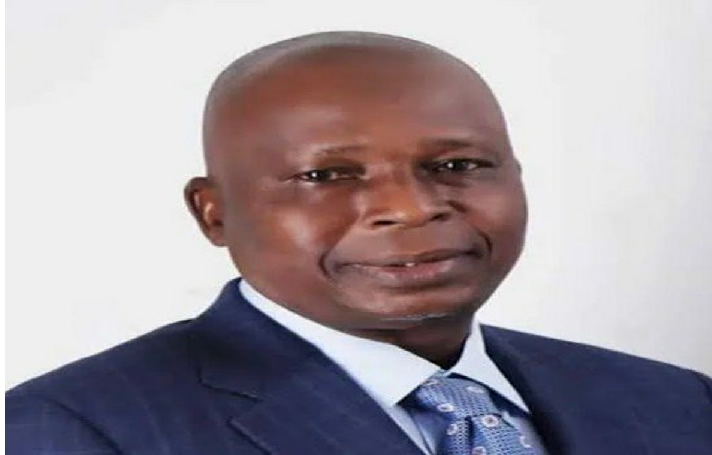
This legal challenge centers around the removal of Justice Danladi Umar as Chairman of the Code of Conduct Tribunal (CCT) and raises fundamental questions about adherence to constitutional processes. Three civil society organizations, namely Community Rescue Initiative, Toro Concerned Citizens of a Relief Foundation, and an Abuja-based lawyer, Comrade Nasir Bala, have initiated legal proceedings against President Bola Ahmed Tinubu, Attorney-General Lateef Fagbemi, Senate President Godswill Akpabio, and several other parties. Their primary objective is to prevent the implementation of a concurrent resolution passed by the Senate and House of Representatives, effectively removing Umar from his position. The plaintiffs argue that the removal process failed to comply with the clear stipulations of the 1999 Constitution, rendering it invalid.
The plaintiffs’ core contention rests on the alleged disregard for established legal procedures during Umar’s removal. They assert that the National Assembly, in its actions, sidestepped crucial constitutional safeguards designed to ensure fairness and due process. This alleged disregard for established legal protocols forms the foundation of their legal challenge. They seek a judicial determination on whether the removal process aligned with constitutional requirements. The suit, filed at the Federal High Court in Abuja, underscores the plaintiffs’ commitment to upholding the principles of constitutionalism and due process. They are seeking seven declaratory reliefs, essentially requesting the court to pronounce on the legality and validity of the actions taken in removing Umar.
The lawsuit specifically requests the court to bar the Clerk of the National Assembly from transmitting the concurrent resolution to President Tinubu, thereby effectively halting the removal process. Furthermore, they seek an order restraining the president from acting on the resolution. Their argument pivots on the assertion that the National Assembly failed to follow the proper constitutional procedures for removing the CCT Chairman. This, they contend, renders the entire process flawed and unlawful. This multifaceted approach reflects the plaintiffs’ determination to exhaust all legal avenues to ensure that the rule of law is upheld, particularly regarding the removal of a high-ranking judicial officer.
The legal action has been assigned to Justice James Omotosho of the Federal High Court, who has directed that the defendants be served with the court documents through alternative methods. Given the potential difficulties in directly serving all the defendants, especially high-ranking government officials, the judge ordered substituted service by pasting the court documents at designated locations, including the court’s notice board, the All Progressives Congress (APC) Secretariat, and the Office of the Secretary to the Government of the Federation. This approach ensures that the defendants are duly notified of the proceedings, even in the absence of personal service. The case has been adjourned to January 14, 2025, for a hearing, providing ample time for all parties to prepare their arguments and evidence.
This legal challenge carries significant weight due to the crucial role of the CCT in upholding ethical conduct within the government. The CCT, responsible for investigating breaches of the Code of Conduct for public officers, plays a vital role in maintaining integrity and accountability within the public sector. The Chairman of this tribunal holds a sensitive position, requiring impartiality and adherence to the rule of law. The controversy surrounding Umar’s removal underscores the importance of following due process in such matters to preserve public trust in the institution and its ability to function effectively without external influence or political pressure. The outcome of this case could significantly impact the perception of independence and impartiality within the CCT.
The legal battle over Justice Danladi Umar’s removal is more than just a dispute over procedure; it represents a broader struggle for adherence to constitutional principles and the rule of law. The plaintiffs’ arguments highlight the importance of upholding due process, especially when dealing with the removal of judicial officers. Their insistence on compliance with constitutional provisions underscores the need for transparency and accountability in government actions. The judiciary’s role in this case is crucial, as it is tasked with ensuring that the actions of the legislature and executive comply with the Constitution, thereby safeguarding the integrity of the legal system and upholding the principles of justice and fairness. The outcome of this case will undoubtedly set a precedent for future instances involving the removal of public officials and reaffirm the judiciary’s role as the ultimate guardian of the Constitution.









