





On Saturday, tensions between Israel and Hezbollah escalated significantly when a drone was reportedly launched toward Israeli Prime Minister Benjamin Netanyahu’s residence in Caesarea. This incident followed the Israeli military’s report of an earlier drone from Lebanon that hit an unspecified structure in central Israel. Netanyahu’s office confirmed that although a UAV was aimed at the Prime Minister’s residence, he and his wife were not present, and fortunately, there were no injuries reported. The military explained that it had intercepted two out of three drones that were launched from Lebanon on that day, hinting at the increased hostilities in the region.
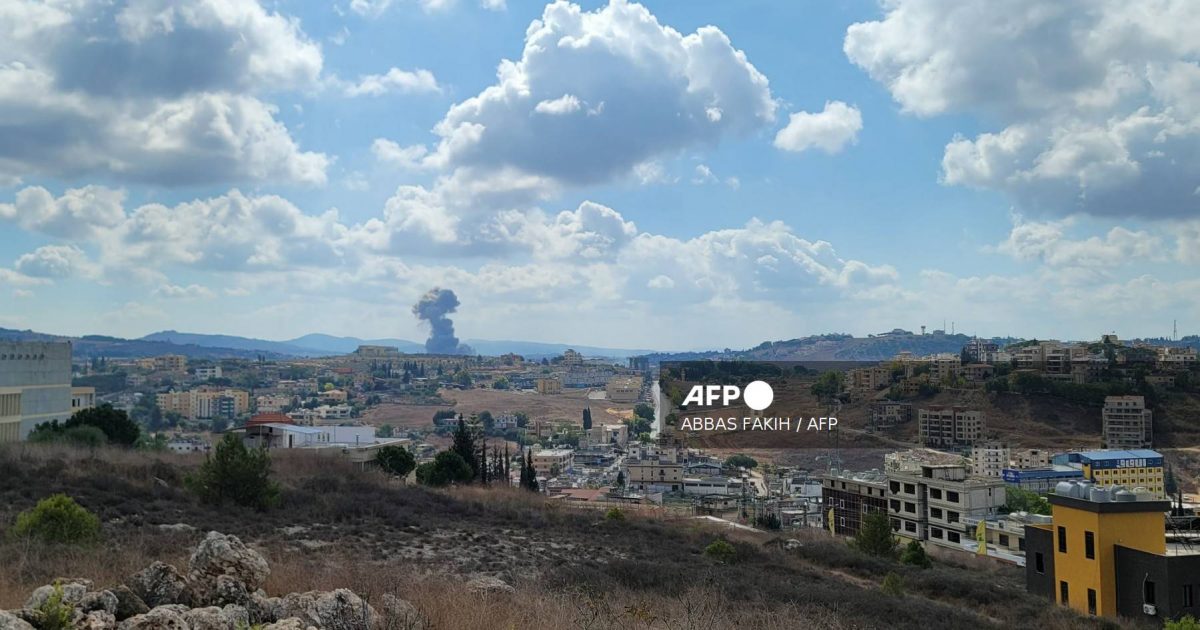
The atmosphere across northern Israel became increasingly tense as multiple projectiles were fired from Lebanon, leading to air raid sirens sounding throughout that region. Concurrently, the Lebanese health ministry reported casualties resulting from an Israeli strike in Jounieh, a coastal city north of Beirut. This marked the first Israeli attack on that area amid the ongoing exchanges of fire between Hezbollah and Israeli forces over the previous year. The reports indicated that an “Israeli enemy raid” specifically targeted a car on a vital highway that connects Beirut with northern Lebanon, indicating a clear escalation in the conflict.
This escalation is part of the broader context of the war Israel is currently conducting against Hezbollah—an ally of Hamas—in Lebanon. The conflict reignited intensity last month when Israel deployed ground troops across the Lebanese border, marking a significant move in its military strategy against Hezbollah. On Friday, even prior to the drone incidents, the Israeli military reported successfully executing an airstrike that struck Hezbollah’s regional command center. This illustrates Israel’s proactive military stance and efforts to cripple Hezbollah’s operational capabilities.
In response to these military actions, Hezbollah intensified its retaliatory measures, reportedly launching a barrage of rockets aimed at Haifa and other areas in northern Israel. The group also claimed responsibility for sending a “swarm of explosives-laden drones” targeting an air missile defense base located east of Hadera. This exchange of military actions indicates a marked escalation in both aggression and technological warfare between the two factions, highlighting the complex and volatile dynamics in the regional conflict.
The ongoing hostilities underscore the fragile nature of peace and security in the Israel-Lebanon border region. With both sides engaged in military posturing, the situation remains precarious, raising concerns about the potential for further conflict. The casualties reported in Lebanon as a result of Israeli airstrikes, coupled with the alarming drone activities targeting key locations in Israel, suggest that the conflicts are moving beyond sporadic skirmishes into a more extensive and systematic military confrontation.
As international observers watch these developments closely, the increasing use of drones and advanced military technology by both Hezbollah and Israeli forces marks a new chapter in the ongoing confrontation. The escalation poses significant challenges not only for the immediate parties involved but also for regional stability, as the repercussions of continued conflict could extend beyond the Israeli-Lebanese border, affecting broader geopolitical relations in the Middle East. The urgency for diplomatic efforts to de-escalate tensions has never been more critical amidst the rising stakes of this conflict.








