









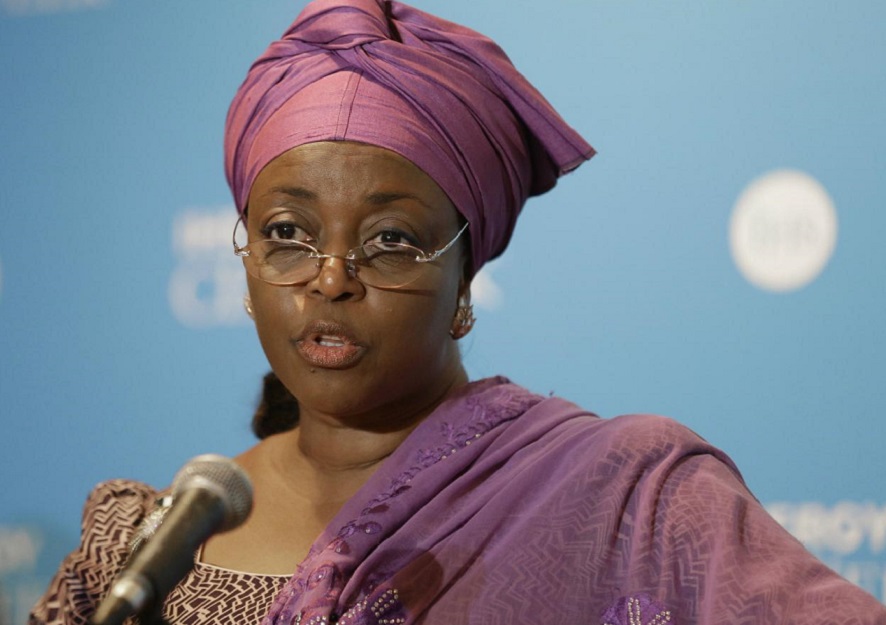
Diezani Alison-Madueke, Nigeria’s former Petroleum Minister, has been embroiled in a protracted legal battle against accusations of grand corruption and embezzlement of public funds. Her tenure under former President Goodluck Jonathan was marred by allegations of diverting millions of dollars, leading to numerous charges filed against her in Nigerian courts. However, her residence in the United Kingdom has posed a significant obstacle to her prosecution, creating a complex web of legal and administrative hurdles that have stalled the Nigerian government’s efforts to bring her to justice for over eight years.
The primary challenge lies in the intricate extradition process between Nigeria and the UK. Extradition, the legal surrender of a person accused or convicted of a crime by one jurisdiction to another, is governed by strict procedures and international protocols. These procedures involve both legal and administrative requirements that must be meticulously fulfilled before an individual can be extradited. The process necessitates navigating a complex landscape of judicial proceedings, international agreements, and diplomatic negotiations, often making it a lengthy and arduous affair. In Alison-Madueke’s case, these complexities have been exacerbated by the high-profile nature of the accusations and the substantial sums of money allegedly involved.
Despite these obstacles, successive Nigerian governments, including the current administration, have remained steadfast in their pursuit of justice. They have consistently emphasized their commitment to bringing Alison-Madueke back to Nigeria to face trial, recognizing the importance of accountability and the need to deter future acts of corruption. These efforts have involved extensive collaboration with international partners, including the UK’s Crown Prosecution Service, to navigate the intricacies of extradition law and build a strong case for her return. While these efforts have yet to culminate in her extradition, they underscore the Nigerian government’s unwavering resolve to hold her accountable for the alleged crimes.
In parallel to the extradition efforts, the Nigerian government has focused on recovering assets linked to Alison-Madueke, demonstrating a multi-pronged approach to addressing the alleged corruption. A significant victory was achieved with the recovery of $52.88 million in Galactica assets from the United States. This recovery, facilitated by international cooperation and legal agreements, represents a tangible step towards reclaiming stolen public funds. The allocation of these funds towards rural electrification projects and strengthening the country’s justice system underscores the government’s commitment to utilizing recovered assets for the benefit of the Nigerian people. This strategic allocation aims to address the detrimental impact of corruption on development and to bolster the capacity of institutions to combat future instances of financial malfeasance.
The case of Diezani Alison-Madueke highlights the complexities and challenges inherent in pursuing international justice. The protracted extradition process, coupled with the intricate nature of international legal frameworks, underscores the difficulties involved in holding individuals accountable for crimes committed across borders. The need to respect due process and comply with international legal norms while simultaneously pursuing justice can often lead to protracted legal battles and delays. However, the Nigerian government’s persistent efforts, both in pursuing extradition and recovering assets, demonstrate a commitment to navigating these complexities and ensuring accountability.
The ongoing efforts to extradite Alison-Madueke and recover associated assets serve as a testament to Nigeria’s commitment to combating corruption and strengthening the rule of law. The Nigerian government’s pursuit of justice, despite the inherent challenges, sends a strong message that impunity will not be tolerated. While the legal battles continue, the overarching objective remains to ensure that justice is served and that those accused of corruption are held accountable for their actions. The pursuit of justice in this case will undoubtedly have significant implications for Nigeria’s anti-corruption efforts and will send a powerful message about the country’s commitment to transparency and accountability.









