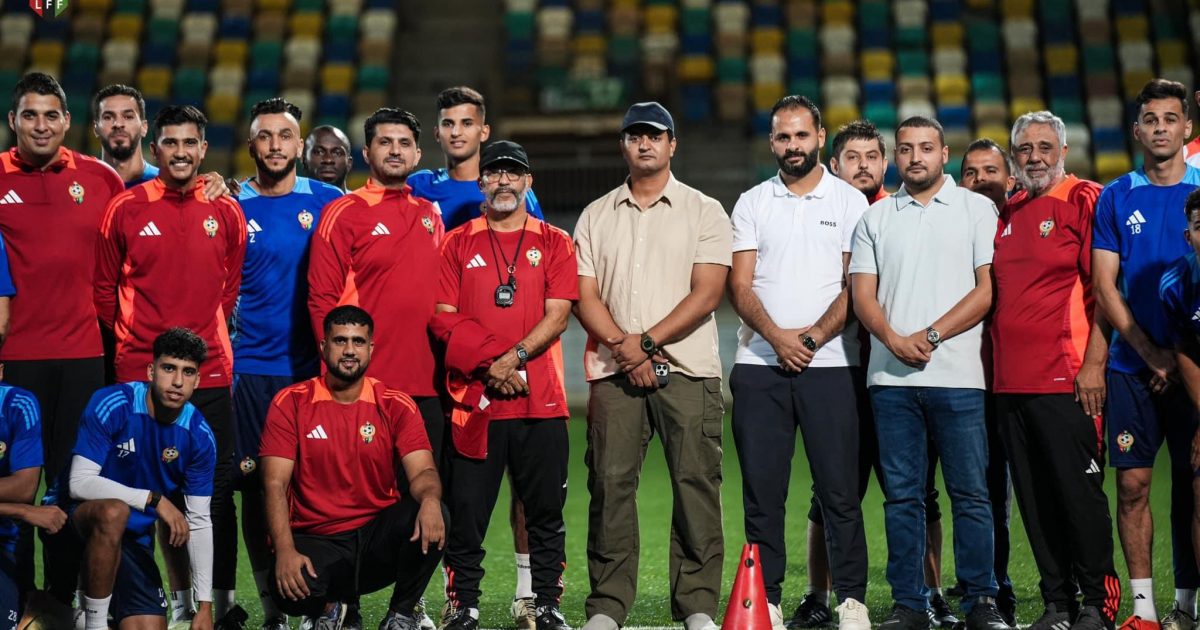
The Africa Cup of Nations (AFCON) qualifier match between Nigeria’s Super Eagles and Libya ended in controversy as the Nigerian team refused to participate due to alleged maltreatment upon arrival in Libya. The Libyan Football Federation contended that Nigeria should bear responsibility for the stalled match, claiming the Super Eagles’ actions, described as a boycott, were unjustifiable. Upon reaching Libya, the Nigerian players and officials reportedly faced significant challenges, being left stranded at the airport with no assistance while Libyan authorities conversed in Arabic, leaving the players isolated and neglected. This unfortunate scenario escalated because the team’s flight was redirected to Al Abraq Airport, over 200 kilometers away from the intended venue in Benghazi, thus compounding the difficulties they faced after a long journey.
After being trapped at the Al Abraq International Airport for more than 20 hours without provisions, the Nigerian team made the difficult decision to abandon the fixture and return home. The Confederation of African Football (CAF) swiftly issued a statement announcing that the scheduled match would be canceled and referred the incident to relevant CAF bodies for further examination. CAF had initiated an investigation following the Libyan Football Federation’s claims of sabotage, leading to threats of legal action against Nigeria. The situation sparked outrage on both sides, with the Libyan Federation decrying Nigeria’s refusal to participate and promising to take all necessary legal measures to protect the interests of their national team.
In an effort to address the issue constructively, the Libyan Football Federation issued a statement expressing regret over the situation while also stressing that Nigeria’s conduct led to confusion and dissatisfaction among their supporters. They highlighted earlier grievances regarding the treatment of their players during their arrival for the first leg of the qualifiers in Nigeria, before asserting their intent to pursue legal recourse in defense of their national team’s reputation. Despite the challenges and disputes between the two federations, Nigeria secured a pivotal 1-0 victory in the first leg held in Uyo, maintaining a strong position in Group D as they aim for qualification for the AFCON finals set to occur in Morocco.
In the aftermath of this debacle, the Nigerian Institute of Public Relations (NIPR) commended Nigerian President Bola Tinubu and Minister of Foreign Affairs Yusuf Tuggar for their prompt intervention that facilitated the safe return of the players. NIPR President Dr. Ike Neliaku praised their efforts during a ceremony in Abuja while emphasizing the importance of national reputation and solidarity. He remarked on the delicate nature of reputation building, stating that while it requires significant time and effort to cultivate, it can be rapidly damaged without vigilant care and response from leadership. He reiterated the government’s commitment to supporting Nigerian citizens abroad regardless of the circumstances they face.
Amid these developments, Senator John Enoh, Nigeria’s Minister for Sports Development, also lauded the Super Eagles for their composure amidst adversity and provocation in Libya. He recognized the distressing circumstances the players endured, including enduring poor treatment and restrictions within the airport. Acknowledging the whole nation’s concern for their safety, he expressed gratitude for the maturity shown by the Eagles throughout this ordeal. His remarks aimed to foster a sense of national pride, reinforcing the idea that, despite challenges, the team exemplified the resilient spirit characteristic of Nigerians.
As the situation continues to unfold, the football community and fans await CAF’s official verdict on the incident, which may further clarify the responsibilities and repercussions for both nations involved. The tensions brought about by this scenario have highlighted broader issues regarding the management of international sporting events and the treatment of players and officials when traveling abroad. With the backdrop of the competitive landscape of African football and national pride at stake, the actions and decisions made in response to this incident will likely echo beyond just the immediate match, impacting future interactions between footballing nations across the continent.