









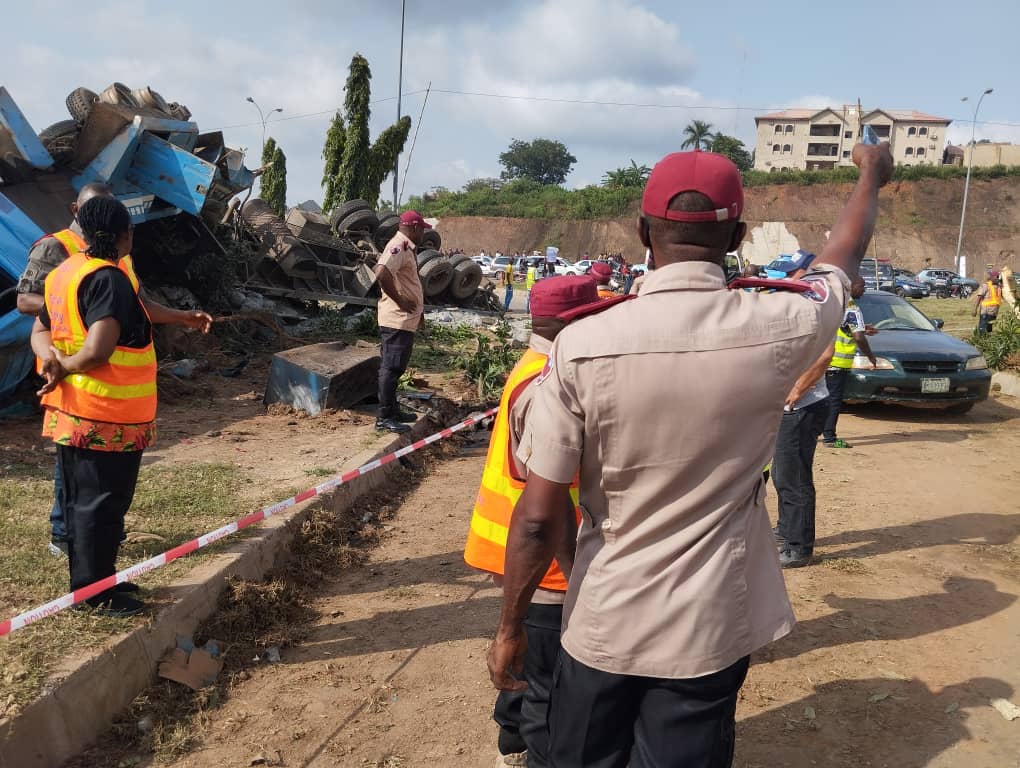
The Minister of State for Petroleum Resources, Heineken Lokpobri, has emphasized the need for the Federal Road Safety Corps (FRSC) to implement strict certification protocols for tanker drivers. During a meeting with a delegation from the FRSC led by Corps Marshal Shehu Mohammed in Abuja, Lokpobri articulated that proactive measures are essential to reducing accidents involving petroleum product trucks on federal roads. He highlighted that ensuring only roadworthy tankers and well-trained drivers are authorized to transport these hazardous products is vital for public safety. The escalating number of tanker-related incidents has provoked concerns over safety on roads, prompting calls for immediate action.
In recent weeks, the risks associated with tanker transportation have come into sharper focus, evidenced by a tragic petrol tanker explosion in Niger State that claimed the lives of 48 individuals and resulted in the destruction of property, including the deaths of fifty cows. Such incidents underline the urgency of addressing tanker safety. Lokpobri’s call for certification aims to establish a framework where only qualified drivers handle these tankers, as he expressed that even well-maintained vehicles can become dangerous in the hands of untrained operators. This sentiment echoes broader societal concerns about the recurrent tragedies that result from poorly managed transportation of petroleum products.
Further elucidating the context of the current challenges, Lokpobri pointed out that Nigeria’s pipeline infrastructure, which ideally should facilitate the safe transport of oil products, has deteriorated significantly. Many of these pipelines have surpassed their functional lifespan, prompting a heavier reliance on road transport, which is less safe. He characterized the replacement of aging pipelines as a capital-intensive endeavor, requiring substantial investment from the private sector. The stagnation in pipeline infrastructure development can be traced back to the absence of significant investments over the last 12 years, a period marked by political instability and ineffective governance, which have hampered progress within the oil sector.
Moreover, Lokpobri noted that the enactment of the Petroleum Industry Act has been delayed, further complicating the investment landscape. He assured the FRSC leadership of his commitment to engage relevant agencies, including the Nigerian Midstream and Downstream Petroleum Regulatory Authority and the Nigerian Content Development Monitoring Board, to ensure that appropriate measures are instituted. Such measures include supplying ambulances and implementing training programs tailored to enhance the capabilities of FRSC personnel in managing petroleum transport-related emergencies effectively.
The collaboration between the Ministry of Petroleum Resources and the FRSC was underscored as critical to the future of road safety in Nigeria. Lokpobri encouraged the FRSC to prioritize compliance with international road safety standards, viewing it not just as a regulatory obligation but as a fundamental necessity to prevent accidents. The incorporation of technology for monitoring road safety infractions was suggested as a pathway to enhance accountability among tanker drivers and transportation companies. This technological adoption would be pivotal in creating a more systematic approach to improving road safety and critically reducing the likelihood of incidents.
The Corps Marshal, Shehu Mohammed, reiterated the existing partnership between the FRSC and the Nigerian Midstream and Downstream Petroleum Regulatory Authority, highlighting ongoing efforts to ensure the safety of personnel and vehicles handling petroleum products. He discussed initiatives such as the road transport safety certification scheme for tankers, which aims to enhance compliance and safety standards on the roads. Furthermore, the FRSC is eager to collaborate with the Ministry to access additional resources such as ambulances and patrol vehicles, which are necessary for reinforcing visibility and effectiveness in executing road safety mandates. As both parties seek a comprehensive approach to reduce the frequency of catastrophic tanker accidents, their partnership is essential to fostering a safer environment for road users across Nigeria.









