









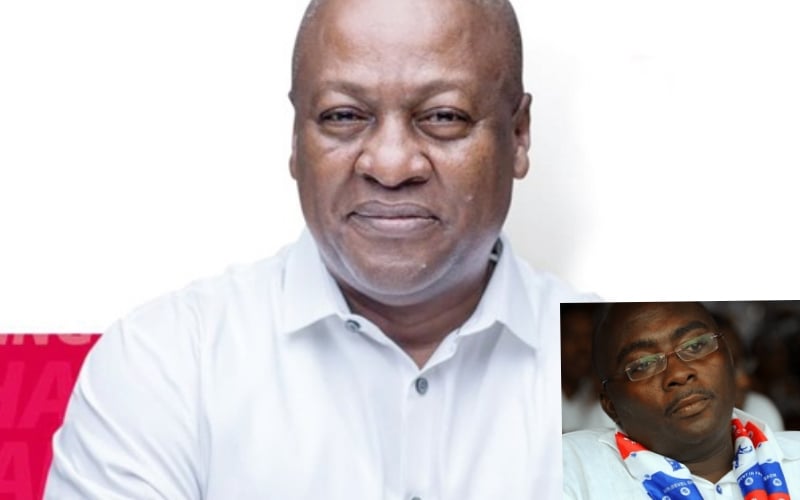
The Triumphant Return of John Dramani Mahama: A Resounding Victory in Ghana’s 2024 Presidential Election
Ghana’s political landscape witnessed a significant shift in the 2024 presidential election, with former President John Dramani Mahama making a resounding comeback to reclaim the highest office in the land. Securing a decisive victory, Mahama, representing the National Democratic Congress (NDC), garnered 6,328,397 votes, translating to 56.55% of the total valid votes cast. This comfortable margin of victory surpassed his closest rival, Dr. Mahamudu Bawumia of the New Patriotic Party (NPP), by a substantial 1,671,093 votes. Bawumia’s tally stood at 4,657,304 votes, representing 41.61% of the valid votes. The Electoral Commission (EC) Chairperson, Jean Mensa, officially declared Mahama as the President-elect on December 9, 2024, marking a pivotal moment in Ghana’s political history.
The 2024 election saw a significant voter turnout of 60.9%, indicating a vibrant democratic engagement from a registered voter population of 18,774,159. Out of the 11,435,531 total votes cast, 11,191,422 were deemed valid, with 239,109 rejected. While the official declaration was made after the collation of results from 267 out of 276 constituencies, nine constituencies remained outstanding due to various disruptions. These included Dome-Kwabenya, Suhum, Akwatia, Ablekuma North, Awutu Senya East, Nsawam Adoagyiri, Techiman South, Ahafo Ano North, and Damongo. The delays in these constituencies were primarily attributed to interference by political party supporters at collation centers, hindering the timely completion of the process.
Beyond the two main contenders, other candidates also participated in the election, albeit with significantly lower vote shares. Independent candidate Nana Kwame Bediako of the New Force Party secured third place with 84,478 votes (0.5%), while Alan Kyerematen, an independent candidate representing the Movement for Change, came in fourth with 31,202 votes (0.28%). The dominance of Mahama and Bawumia in the vote count underscores the established two-party system in Ghana’s political landscape, while the presence of independent candidates reflects the ongoing evolution of political participation in the country.
The EC Chairperson, Jean Mensa, assured the public that the final presidential results would be updated upon receipt of the outstanding results from the remaining nine constituencies. However, given the significant margin of victory already achieved by Mahama, the outcome of the election remained unchanged. This clear mandate from the Ghanaian electorate signifies a resounding endorsement of Mahama’s vision and a desire for change in leadership.
Mahama’s victory marks a significant shift in Ghanaian politics, bringing the NDC back to the helm after a period in opposition. The election results reflect the complex interplay of factors influencing voter decisions, including economic performance, social issues, and the perceived effectiveness of the incumbent government. The substantial margin of victory also suggests a desire for a fresh approach to governance and potentially a recalibration of national priorities.
As Mahama prepares to assume the presidency once again, the nation anticipates his policy agenda and the direction he will steer the country in. The challenges ahead are considerable, including addressing economic concerns, fostering social cohesion, and navigating the complexities of regional and international relations. The resounding victory provides Mahama with a strong foundation to implement his vision for Ghana, but it also carries the weight of high expectations from the electorate who have placed their trust in his leadership.









