





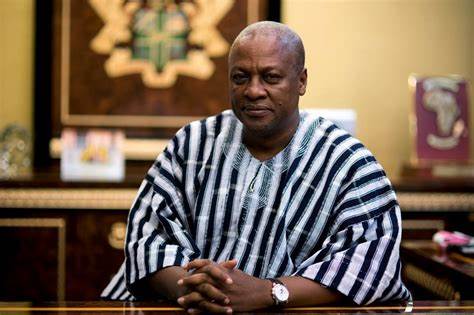
President John Dramani Mahama’s directive halting capital expenditure activities within Ghana’s Metropolitan, Municipal, and District Assemblies (MMDAs) signals a significant shift in local governance, coinciding with the revocation of appointments for all Chief Executives and Assembly members. This interim period, bridging the gap between the outgoing officials and their successors, necessitates a cautious approach to financial commitments, ensuring responsible stewardship of public resources during the transition. The directive, communicated through the Chief Director of the Ministry of Local Government, Decentralisation and Rural Development, emphasizes the administrative responsibilities now entrusted to the Metropolitan, Municipal, and District Coordinating Directors (MMDCDs). These individuals are tasked with maintaining essential operations within their respective MMDAs, while strictly adhering to the prohibition on capital expenditure. This measure aims to prevent any potentially irreversible financial decisions that could bind the incoming administration or create budgetary imbalances.
The temporary freeze on capital expenditure underscores the importance of fiscal prudence and accountability during periods of administrative change. By restricting major financial commitments, the government aims to avoid potential complications that could arise from projects initiated by the outgoing administration but needing to align with the priorities and policies of the incoming leadership. This approach allows the new administration to assume office with a clean slate, free to assess the existing financial landscape and formulate its development agenda without being encumbered by pre-existing financial obligations. The MMDCDs, serving as temporary custodians of the MMDAs, play a crucial role in maintaining stability and continuity during this transitional phase. Their mandate focuses on essential administrative functions, ensuring the smooth functioning of local government services without embarking on new capital-intensive projects.
The comprehensive handover process, involving the transfer of duties, government property, and relevant documents from the outgoing Chief Executives to the MMDCDs, ensures a seamless transition of power and responsibilities. This structured hand-over process facilitates transparency and accountability, safeguarding public assets and ensuring the continuity of administrative functions. The inclusion of appointed Assembly members in the handover process, particularly regarding public assets in their possession, reinforces the government’s commitment to meticulous asset management and prevents any potential loss or misuse of public resources. This thorough approach underscores the importance of responsible governance and safeguards the interests of the public during the transition.
The President’s expression of gratitude to the outgoing MMDCEs and appointed Assembly members acknowledges their contributions to the nation’s development and underscores the importance of their service. This acknowledgement serves as a formal recognition of their efforts in local governance and marks the end of their tenure. The interim period, with the MMDCDs at the helm, allows for a period of reflection and assessment before the new administration takes office. This pause provides an opportunity to evaluate existing policies and programs, identify areas for improvement, and lay the groundwork for the incoming administration to effectively implement its vision for local development.
The directive on capital expenditure, while temporary, carries significant implications for the MMDAs. It calls for a shift in focus from new projects to maintaining essential services and ensuring the efficient management of existing resources. This period of restraint allows for a thorough review of ongoing projects, assessment of their viability and alignment with broader development goals, and preparation for the resumption of capital expenditure under the new administration. This strategic pause enables a more informed and effective allocation of resources once the new leadership assumes office.
In essence, President Mahama’s directive represents a prudent measure to ensure responsible financial management during a period of administrative transition within Ghana’s local government structures. By temporarily halting capital expenditure, the government prioritizes stability, accountability, and the efficient use of public funds. This interim period, overseen by the MMDCDs, allows for a seamless handover of responsibilities, paving the way for the incoming administration to embark on its development agenda with a clear financial perspective and the ability to implement its vision effectively. This approach underscores the government’s commitment to good governance, transparency, and the responsible stewardship of public resources.








