





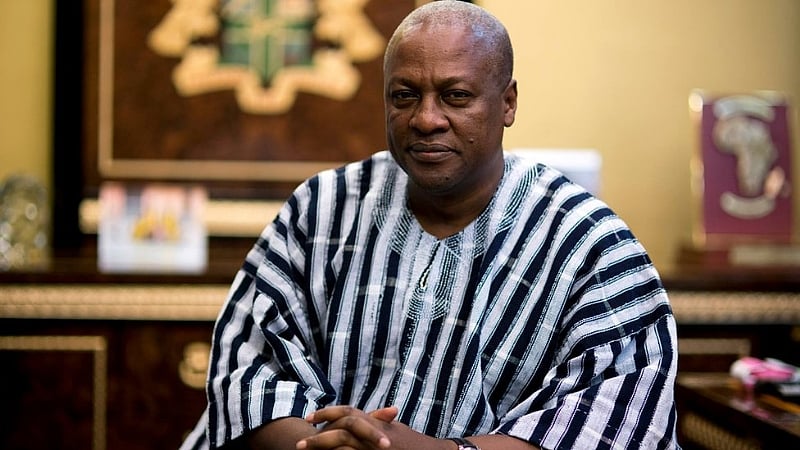
Ghana’s President-elect, John Dramani Mahama, has voiced serious concerns about the state of basic education in the country, characterizing the situation as a “crisis.” Central to his concern is the stark reality that 1.3 million Ghanaian children at the basic education level lack the fundamental necessity of furniture, forcing them to endure their learning experience without proper seating. This deficiency, Mahama argues, undermines the very foundation of their education and demands urgent attention. His observation highlights a significant infrastructural gap in the education system, impacting a substantial portion of the student population and potentially hindering their learning progress. This lack of basic amenities casts a shadow over the government’s efforts to provide quality education for all and underscores the need for a comprehensive review and reevaluation of resource allocation within the education sector.
Beyond the immediate concern of furniture shortages, Mahama’s critique extends to the broader financial management of the education sector. He points to inefficiencies in the allocation of resources, specifically highlighting the Free Senior High School (Free SHS) program. While acknowledging the significant investment in Free SHS, he criticizes the lack of a dedicated funding source, leading to what he describes as “waste and inefficiency.” This lack of a dedicated funding stream, he suggests, creates budgetary instability and makes the program vulnerable to fluctuations in government revenue. Furthermore, the absence of a clear, ring-fenced budget makes it difficult to track spending, evaluate the program’s effectiveness, and ensure accountability in resource utilization.
Mahama’s criticism also encompasses the impact of Free SHS funding on other levels of education. He argues that the current funding model for Free SHS, while well-intentioned, has inadvertently starved tertiary education of necessary resources. This, he explains, is due to the collateralization of the GETFund, a key funding source for educational infrastructure. With a significant portion of the GETFund’s resources already committed, the remaining funds are insufficient to adequately address infrastructure needs across the entire educational spectrum, from basic education to tertiary institutions. This creates a ripple effect, leaving universities and other tertiary institutions struggling to maintain and upgrade their facilities, ultimately hindering the quality of higher education.
To address these multifaceted challenges, Mahama proposes a comprehensive National Education Review Conference. This conference, he envisions, will bring together key stakeholders to thoroughly examine the education system, identify bottlenecks, and develop solutions. The aim is to foster a collaborative approach, drawing on the expertise and insights of educators, policymakers, administrators, and community representatives to formulate a comprehensive and sustainable strategy for educational reform. The conference would provide a platform for open dialogue and critical analysis, facilitating the development of evidence-based policies and targeted interventions to address the pressing issues facing the education sector.
Mahama’s call for a National Education Review Conference underscores his commitment to a holistic approach to educational reform, acknowledging the interconnectedness of various levels of the system. By examining the entire educational value chain, from basic education to tertiary institutions, the conference seeks to create a more cohesive and effective system. This integrated approach recognizes that improvements in one area, such as basic education, can have positive cascading effects on subsequent levels of education. The conference is intended to foster a shared understanding of the challenges and opportunities within the education sector, paving the way for collaborative action and sustainable solutions.
As he prepares to assume the presidency, Mahama has pledged to prioritize education reform. He intends to streamline the Free SHS program to enhance its efficiency and address the concerns he has raised regarding its funding and implementation. Simultaneously, he is committed to tackling the critical issues plaguing other levels of education, including the pressing need for furniture in basic schools and the funding challenges faced by tertiary institutions. His focus on education reflects a recognition of its fundamental importance in national development and his commitment to ensuring that all Ghanaian children have access to quality education, regardless of their socioeconomic background. This commitment to educational reform signifies a broader vision of a more equitable and prosperous Ghana, where education serves as a catalyst for individual empowerment and national progress.








