





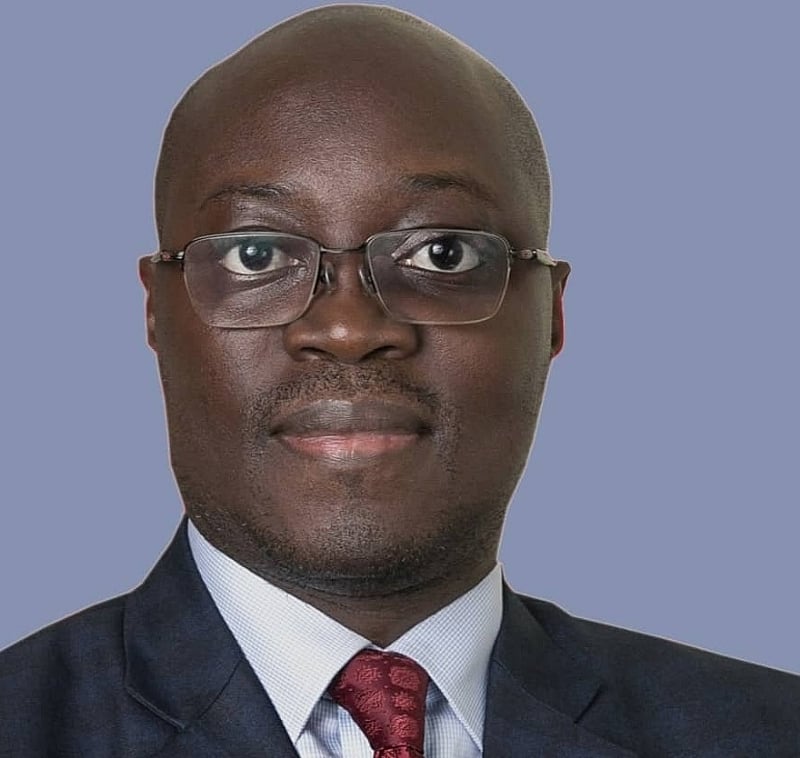
The buzz surrounding potential appointments in President-elect John Dramani Mahama’s incoming government has been met with a swift and decisive denial from Mahama’s office. Social media platforms were abuzz with speculative lists, notably one naming Dr. Cassiel Ato Forson as the prospective Finance Minister. However, Mahama’s Special Aide, Joyce Bawah Mogtari, issued a statement categorically dismissing these lists as “false and unauthorized.” The statement underscored the importance of relying solely on official communication from Mahama’s office regarding appointments and emphasized that no ministerial positions have been filled. While a 10-member Transition Team has been established to manage the transfer of power, any announcements beyond this team are premature and should be treated with skepticism. This clarification aims to quell the rising tide of speculation and ensure accurate information dissemination regarding the formation of the new government.
The premature announcement of Dr. Forson as Finance Minister ignited a public debate concerning his suitability for the role, particularly given the sensitivity and importance of the position. The controversy stems from Dr. Forson’s alleged involvement in a €2.37 million ambulance procurement case. While the courts acquitted and discharged him, the lingering shadow of the case has raised questions about his public image and whether it might impact his effectiveness as a minister. Critics argue that regardless of the legal outcome, the association with the case could undermine public trust and potentially deter investors. The incident has sparked a wider discussion about the criteria for ministerial appointments and the importance of maintaining impeccable integrity in public office.
Financial analyst Kojo Ansah expressed concerns that appointing Dr. Forson to the Finance Ministry could send a negative signal to potential investors. He suggested that given the controversy, Dr. Forson should refrain from seeking public office for the time being, allowing the situation to subside. Ansah emphasized the critical need for ministers whose competence is complemented by unquestionable integrity, especially during challenging economic times. He believes that appointing individuals with any hint of controversy could undermine the government’s credibility and hinder its ability to attract investment and manage the economy effectively.
Ansah further bolstered his argument by drawing a parallel to the Mabey and Johnson bribery case of 2009, which resulted in the resignation of two ministers in the late John Atta Mills’ government. Dr. Sipa Yankey, then Minister for Health, and Alhaji Seidu Amadu, Minister of State at the Presidency, stepped down after being implicated in allegations of accepting bribes in the 1990s related to road contracts. This precedent highlights the potential consequences of appointing individuals with questionable backgrounds to high-profile positions, even if they have not been formally convicted of any wrongdoing. The case serves as a reminder of the importance of public perception and the need for government officials to maintain the highest ethical standards.
Adding another layer to the controversy surrounding Dr. Forson is his past involvement with Forson Contracts (UK) Limited, a company declared bankrupt in 2010. UK-based businessman Razak Mumuni shed light on the company’s dissolution, which followed a petition by Her Majesty’s Revenue and Customs in the High Court of Justice Chancery Division Companies Court. Mumuni questioned Dr. Forson’s business acumen, arguing that his inability to manage a company in the UK’s supportive business environment raises doubts about his capacity to handle Ghana’s more complex economic challenges. The bankruptcy raises concerns about Dr. Forson’s financial management skills and his ability to navigate challenging economic situations, which are crucial attributes for a Finance Minister.
Mumuni further highlighted the implications of the company’s insolvency, emphasizing its inability to meet financial obligations. This, he argued, casts a shadow over Dr. Forson’s potential effectiveness in managing Ghana’s economic affairs. Given the country’s current economic situation, the Finance Minister’s role is paramount, and any doubts about their competence could undermine confidence in the government’s ability to steer the economy towards stability and growth. The concerns raised by stakeholders and analysts underscore the critical need for appointments based on merit, competence, and unquestionable integrity to inspire public trust and ensure effective governance. As the President-elect prepares to announce his cabinet, the public discourse surrounding these potential appointments highlights the high stakes involved and the importance of selecting individuals who can effectively address the country’s economic challenges.








