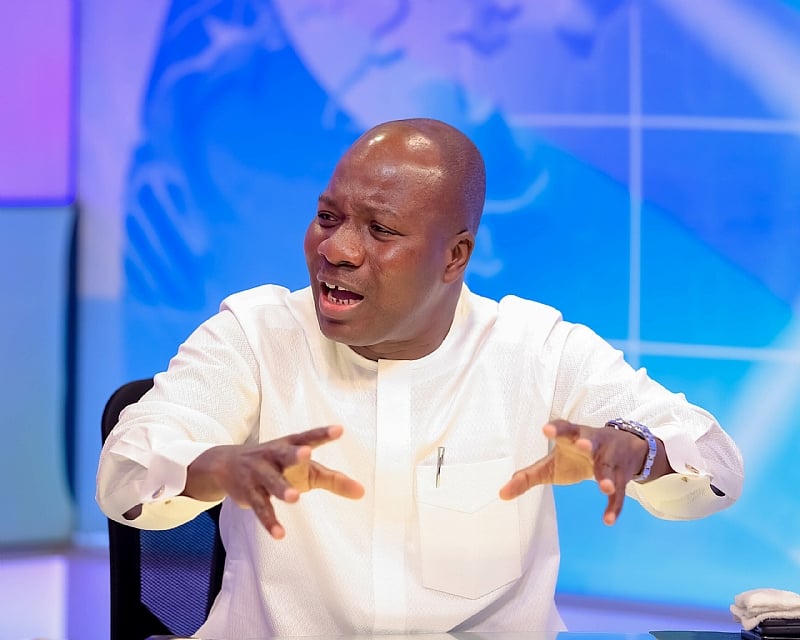
Majority Leader Mahama Ayariga delivered a resounding endorsement of the government’s economic performance, characterizing it as a remarkable and swift recovery, arguably one of the most impressive in Ghana’s recent history. Speaking before Parliament, Ayariga attributed this economic resurgence to the astute leadership of President Mahama, describing it as a period of “national awakening.” He highlighted several key economic indicators as evidence of this positive trajectory, including a significant appreciation of the cedi against the US dollar, a decline in inflation rates, and tangible relief experienced by Ghanaian households. Ayariga specifically lauded Finance Minister Dr. Cassiel Ato Forson, coining the term “Forsonnomics” to encapsulate the minister’s effective economic strategies. He emphasized that these positive economic shifts are not merely statistical abstractions but translate into tangible improvements in the lives of ordinary Ghanaians.
Ayariga detailed the specific factors contributing to this economic turnaround, citing the decline in fuel prices, transport fares, and the cost of imported food. These positive changes, he argued, are a direct result of bold legislative actions taken during the first parliamentary session. Among these key reforms were the abolishment of the e-levy, the elimination of the carbon tax and VAT on insurance, and the revision of gold mining levies. Furthermore, Ayariga underscored the government’s commitment to prioritizing essential sectors by ensuring full disbursement of funds to education and health. He asserted that Ghana is undergoing a process of revitalization, with the Majority’s leadership playing a pivotal role in this transformation.
Looking ahead to the second parliamentary session, Ayariga urged his fellow lawmakers to maintain the positive momentum by focusing on fiscal discipline, revitalizing the private sector, and pursuing long-term economic consolidation. While acknowledging the significance of positive economic data, Ayariga emphasized that the true measure of success lies in the renewed confidence of the Ghanaian people. This renewed confidence, he argued, is a testament to the effectiveness of the government’s economic policies and their positive impact on the lives of citizens.
Beyond the realm of economics, Ayariga outlined the legislative agenda for the upcoming parliamentary session, emphasizing a commitment to accountability and transparency. He announced the intention to launch fresh investigations into several high-profile financial scandals, signaling a determined effort to address past instances of alleged corruption and mismanagement of public funds. Ayariga specifically identified the COVID-19 expenditure, the Agyapa Royalties deal, and the $190 million PDS transaction as key areas requiring thorough scrutiny. He also affirmed Parliament’s intention to closely monitor the progress of Operation Recover All Loot (ORAL), an initiative aimed at recovering funds lost through financial crimes, with an estimated $20 billion currently under investigation.
Ayariga expressed strong criticism of past reliance on sole-sourced government contracts, pledging a comprehensive review of public procurement practices to ensure greater transparency and fairness. He emphasized that this initiative is not driven by political motives or a desire for retribution but is rather aimed at restoring integrity and justice to public finance management. This commitment to reforming procurement processes, he explained, is essential for ensuring responsible use of public resources and fostering public trust in government operations.
Furthermore, the Majority Leader affirmed Parliament’s commitment to strengthening oversight bodies and ensuring their effectiveness and accountability. He proposed adopting U.S.-style committee hearings as a mechanism for uncovering systemic corruption and holding those responsible accountable. Ayariga concluded his address with a firm declaration that Parliament will not remain passive while public funds are misappropriated, reaffirming the legislative body’s commitment to safeguarding public resources and upholding the principles of good governance. He emphasized that Parliament will actively exercise its oversight function to prevent impunity and ensure that those who engage in corrupt practices face the consequences of their actions.