





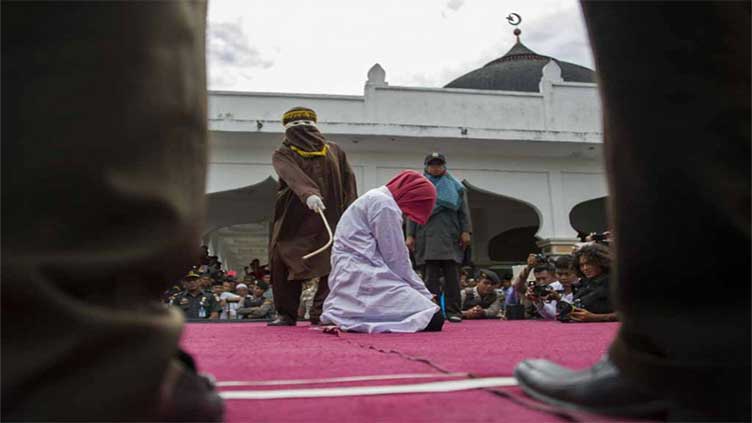
The recent caning of a 42-year-old construction worker inside a mosque in Terengganu, Malaysia, has ignited a fierce debate about the role of Sharia law and its implications for human rights in the country. The man was convicted of “khalwat,” an Islamic offense that prohibits unmarried individuals of the opposite sex from being alone together in a secluded place. This incident marks the first time a Sharia court-ordered whipping has been carried out in a mosque, a departure from the usual courtroom setting, adding a new dimension to the ongoing discussion around public punishments and their societal impact.
The case has drawn sharp criticism from human rights organizations and legal bodies, who argue that such punishments constitute cruel and degrading treatment, violating fundamental human rights. They contend that the public nature of the caning exacerbates the humiliation and serves no purpose other than to shame the individual. The Malaysian Bar Association expressed “profound concern” over the chosen location and method of punishment, emphasizing that such practices strip individuals of their dignity and contradict modern principles of justice. The Human Rights Commission of Malaysia echoed these concerns, asserting that punishments involving physical violence and public shaming should not be tolerated in a contemporary legal system.
Conversely, the event also garnered support from some members of the public who view it as a necessary deterrent against immoral behavior, particularly among young people. They believe that the public nature of the caning serves as a powerful reminder of the consequences of violating religious laws and helps to uphold moral standards within the community. These contrasting perspectives highlight the deep societal divisions regarding the application of Sharia law and the balance between religious values and individual liberties.
The incident in Terengganu underscores the complexities of Malaysia’s dual legal system, where Sharia courts operate alongside secular courts, handling specific matters for Muslim citizens. This parallel legal framework often leads to conflicting interpretations and applications of law, particularly in areas concerning personal conduct and morality. While Sharia court-ordered canings are relatively rare, they are not unprecedented. In 2018, two women were caned for lesbian sex, further fueling the debate about the proportionality and appropriateness of such punishments.
The caning of the construction worker also raises questions about the evolution of Sharia law and its interpretation in contemporary society. Critics argue that clinging to traditional forms of punishment, such as caning, fails to address the root causes of social issues and instead perpetuates a cycle of shame and stigmatization. They advocate for a more nuanced and rehabilitative approach that focuses on education, counseling, and community support to address transgressions and promote positive social change.
As Malaysia navigates the challenges of balancing its diverse cultural and religious landscape, the debate surrounding Sharia law and its implementation will undoubtedly continue. The incident in Terengganu serves as a stark reminder of the ongoing tensions between traditional values and modern legal principles, highlighting the need for a comprehensive and inclusive dialogue that addresses the human rights implications of Sharia-based punishments. Finding a path that respects both religious beliefs and individual liberties remains a crucial task for Malaysian society as it moves forward.








