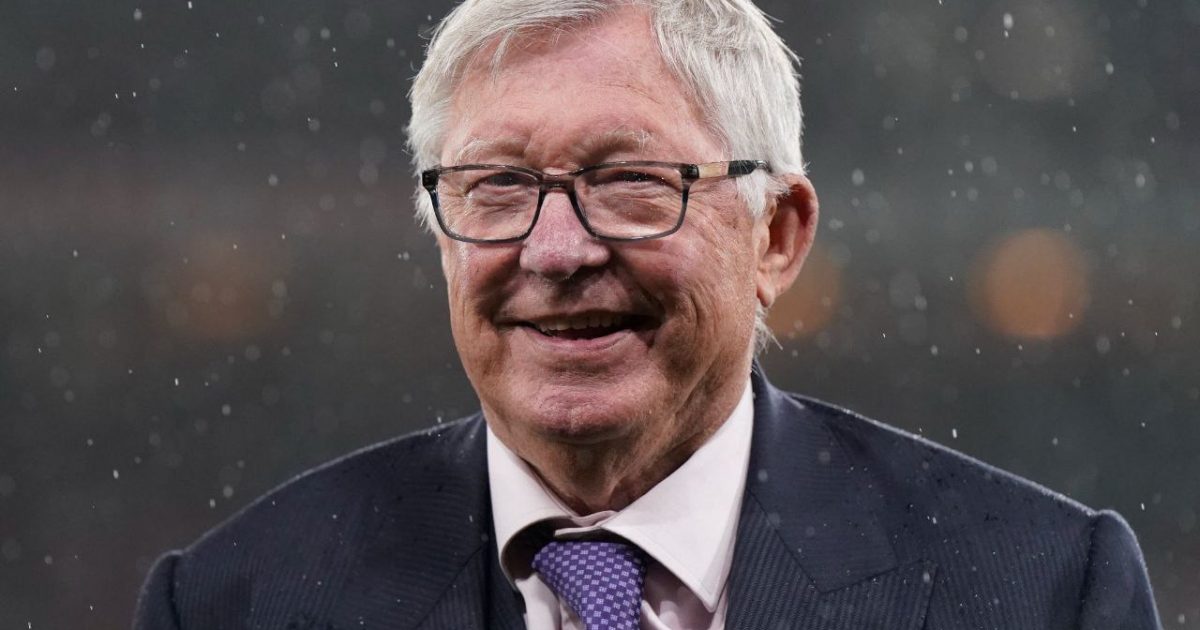
Manchester United has recently decided to terminate the annual multi-million-pound payments made to its legendary former manager, Sir Alex Ferguson. This decision is part of broader efforts to cut operating costs under the stewardship of Sir Jim Ratcliffe, the club’s new co-owner. Ratcliffe, who acquired a 27.7% stake in Manchester United earlier this year, has been focused on restructuring the club’s finances and reducing expenses in various areas. The payments to Ferguson were part of his role as both a global club ambassador and a non-executive director, providing the club with a significant financial burden that Ratcliffe believes can no longer be justified.
At 82 years old, Ferguson’s legacy as Manchester United’s most successful manager still resonates strongly with fans and the football community alike. He led the club from 1986 to 2013, overseeing a period of unprecedented success. However, under Ratcliffe’s management, there is a clear acknowledgment that the financial landscape of the club must change. While Ferguson will no longer receive substantial payments, he remains in his position as a non-executive director and is encouraged to continue attending matches at Old Trafford, affirming that his influence at the club, although financially diminished, is still valued.
Sources close to the previous majority owners, the Glazer family, indicated that they had supported Ferguson’s remuneration due to their recognition of his lasting contributions to the club. They viewed his historical significance and influence as essential for maintaining Manchester United’s global brand and appeal. The Glazers had granted Ferguson payments to honor his legacy, even after his retirement. The shift in this approach under Ratcliffe’s leadership highlights a significant change in how the club aims to manage its finances and prioritize its spending in the face of operational challenges.
Ratcliffe’s impact has already been evident through a series of cost-cutting measures initiated after taking control of football operations. Earlier this year, the club made substantial layoffs, cutting 250 staff positions based on recommendations from a consultancy firm, Interpath Advisory. Additionally, the club has taken further steps to reduce costs, such as eliminating free travel for staff attending the FA Cup final, revoking credit card privileges from senior executives, and cancelling the annual employee Christmas party. These changes signify a stark shift in Manchester United’s operational priorities, especially since the club has invested approximately €240 million in summer transfers.
Despite these financial austerity measures, Manchester United has faced difficulties on the pitch, currently positioned 14th in the Premier League and winless in the Europa League. The failure to achieve favorable results has compounded the club’s financial challenges and shifted focus towards sustainable management. Ratcliffe’s commitment to turning around the club’s fortunes and reducing financial strain illustrates the urgency of returning to winning ways while ensuring financial prudence.
Reflecting on his relationship with Ferguson, Ratcliffe acknowledged the former manager’s enduring value to the club, stating that Ferguson remains deeply knowledgeable about its traditions and values. While Ferguson may not be actively involved in day-to-day operations, his experience and understanding of Manchester United’s historical significance continue to be a source of wisdom for the organization. As Ratcliffe looks to navigate the complexities of managing a prestigious football club, the intricacies of balancing cost-cutting with maintaining a semblance of its rich legacy will be an ongoing challenge for the current leadership at Manchester United.