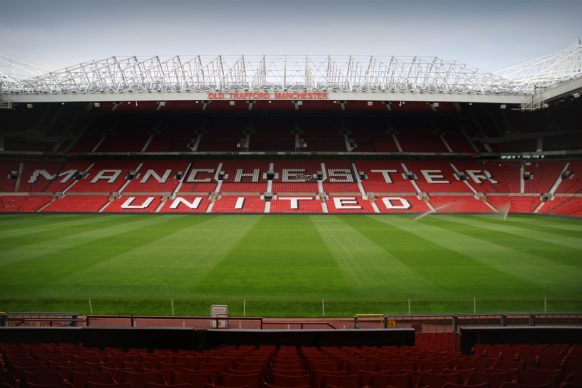
Manchester United, the once-revered giants of English football, find themselves embroiled in a trifecta of crises, battling not only dismal on-field performances and crumbling infrastructure but also an embarrassing infestation of rodents at their iconic stadium, Old Trafford. This revelation, brought to light by a Daily Mail report, adds another layer of ignominy to the club’s current struggles, painting a picture of a once-proud institution now grappling with issues both symbolic and practical. The rodent problem, resulting in a downgraded food hygiene rating of two out of five stars, underscores deeper concerns about the overall state of affairs at Old Trafford. This latest setback follows a string of disappointments, including the dismissal of manager Erik ten Hag and a humiliating home defeat to Bournemouth, further deepening the gloom surrounding the club. The combination of these issues paints a picture of a club in disarray, struggling to maintain its prestigious image amidst a backdrop of declining performance and deteriorating facilities.
The rodent infestation, while unsettling in itself, is symptomatic of broader issues plaguing the club. It raises questions about the efficacy of the club’s maintenance and hygiene protocols, particularly concerning food preparation and storage areas within Old Trafford. While a club spokesperson insisted on the robustness of their pest control system, emphasizing multiple weekly checks and stringent hygiene measures, the downgraded rating suggests a significant lapse in these procedures. The Trafford Council’s involvement, working closely with the club to ensure compliance and necessary improvements, further emphasizes the seriousness of the situation. This incident, seemingly minor in isolation, highlights a potential systemic failure in upholding the expected standards for a venue of Old Trafford’s stature and casts a shadow on the overall management of the stadium.
The timing of this revelation couldn’t be worse for Manchester United, already reeling from a string of on-field disappointments. The recent 3-0 home defeat to Bournemouth, a team considered far from the Premier League elite, further exposed the team’s vulnerabilities and left them languishing in the lower reaches of the table. This defeat, coupled with the earlier sacking of manager Erik ten Hag, highlights the deep-seated problems within the playing squad and the overall strategic direction of the club. The pressure mounts on new manager Ruben Amorim, who inherits a team struggling for form and confidence, amidst the backdrop of a stadium plagued by both physical and metaphorical infestations.
Adding insult to injury, the leaking roof in the Old Trafford media room during Amorim’s post-match press conference serves as a potent symbol of the club’s current state. This incident, however minor it may seem, underscores the apparent neglect of basic maintenance and upkeep within the stadium. The dripping water, witnessed by journalists from around the world, broadcasts an image of disrepair and decline, further damaging the club’s reputation and reinforcing the narrative of a once-great institution now falling into disarray. This incident, alongside the rodent infestation, points towards a potential lack of investment in the upkeep of the stadium, raising concerns about the long-term viability of Old Trafford as a suitable venue for a club of Manchester United’s stature.
The confluence of these issues – the rodent infestation, the on-field struggles, and the leaking roof – puts Manchester United’s ownership and management under intense scrutiny. The club is facing a critical juncture, requiring decisive action to address these pressing concerns. The ongoing debate regarding the future of Old Trafford, whether to redevelop the existing stadium or construct a new one, becomes even more significant in light of these revelations. These issues raise serious questions about the current management’s ability to maintain and operate a stadium of this magnitude and highlight the urgent need for investment, not just in the playing squad, but also in the infrastructure of the club itself.
The cumulative effect of these recent events paints a concerning picture for Manchester United. The club is battling on multiple fronts, struggling to maintain its competitive edge on the pitch while simultaneously grappling with issues of hygiene and infrastructure within its iconic stadium. The rodent infestation, the leaking roof, and the team’s poor performance all contribute to a growing sense of unease surrounding the club. These challenges demand immediate and decisive action from the club’s leadership to restore confidence and address the underlying issues that threaten to further tarnish the reputation of this once-great football institution. The future of Manchester United hinges on their ability to effectively address these challenges and reclaim their position as a leading force in English and European football.