Paragraph 1: Contrasting Fortunes in the Europa League Final
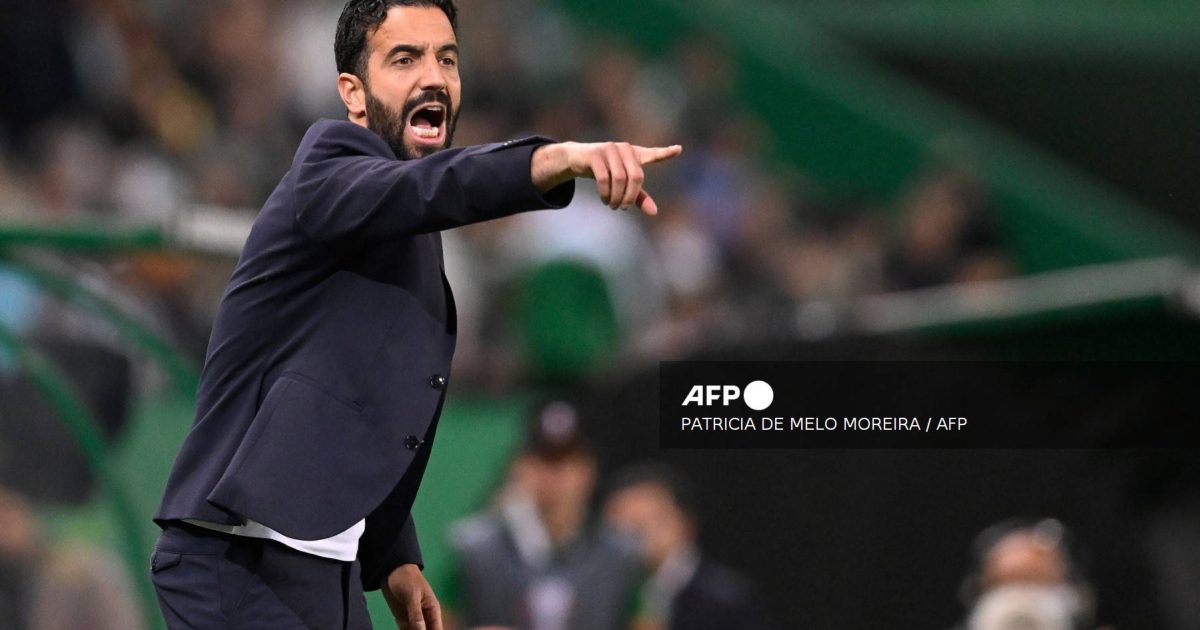
Manchester United and Tottenham Hotspur, two English football giants, find themselves in a peculiar predicament as they prepare to clash in the Europa League final. While both clubs have endured underwhelming domestic seasons, the pressure surrounding their respective managers couldn’t be more different. Manchester United, under the relatively new leadership of Ruben Amorim, has stumbled through their worst top-flight campaign in half a century, flirting dangerously close to relegation. Yet, Amorim enjoys a surprising level of support from both the board and the fans. Conversely, Tottenham’s Ange Postecoglou faces a precarious future, with his job security hanging in the balance regardless of the final’s outcome. The contrasting situations highlight the unique dynamics at play within each club and the contrasting expectations placed upon their managers.
Paragraph 2: Amorim’s Unexpected Support Amidst Disappointing Results
The unwavering backing of Manchester United’s fanbase and board for Ruben Amorim, despite a string of eight consecutive Premier League losses, is a source of bewilderment even for the manager himself. Amorim acknowledges the unusual nature of his position, recognizing that other managers at similar high-profile clubs are often swiftly dismissed after such a dismal run of form. He attributes this unusual support to a perceived understanding of the underlying issues plaguing the club, suggesting that the fans and the board appreciate his focus on the long-term health of the institution, even amidst short-term struggles. This shared recognition of the deeper problems facing Manchester United appears to have created a sense of unity and patience, allowing Amorim the time and space to attempt a rebuild.
Paragraph 3: Postecoglou’s Precarious Position and Defiant Stance
In stark contrast, Tottenham’s Ange Postecoglou is walking a tightrope. The Europa League final represents a make-or-break moment in his tenure. A loss would almost certainly result in his dismissal, while even a victory might not be enough to guarantee his future at the club. This high-pressure environment has prompted a defiant response from Postecoglou, who has vehemently rejected any suggestion that he is ill-equipped for the role. His assertion that he will continue to win trophies, wherever his future lies, reflects a determination to prove his doubters wrong and highlights the inherent instability of managerial positions in top-flight football.
Paragraph 4: Amorim’s Long-Term Vision and the Quest for Stability
Amorim repeatedly emphasizes that Manchester United’s problems are deep-rooted and extend beyond the immediate concerns of winning or losing a single match. He argues that even the significant financial windfall and Champions League qualification associated with winning the Europa League would not be a panacea for the club’s underlying issues. These problems, he suggests, require fundamental systemic changes and a long-term vision to restore the club to its former glory. This perspective underscores Amorim’s focus on building a sustainable future rather than chasing short-term gains, further explaining the support he receives despite the team’s current struggles.
Paragraph 5: The Significance of European Success in a Troubled Season
While acknowledging the limitations of a single cup victory, Amorim recognizes the potential impact of winning the Europa League. He believes that lifting the trophy could serve as a catalyst for change, altering the perception of the team and bolstering confidence within the squad. A European title, he argues, could provide the necessary momentum to initiate a more substantial rebuilding process and instill a sense of belief in the team’s ability to compete at the highest level. This potential psychological shift, rather than the financial rewards, is what Amorim sees as the primary benefit of securing European silverware.
Paragraph 6: Manchester United’s Financial Strength and Injury Boost
Amorim highlights the unique financial strength of Manchester United, contrasting it with his previous experience at Sporting Lisbon, where Champions League qualification was essential for financial stability. He emphasizes that Manchester United’s global brand and substantial fan base provide a level of financial security that allows the club to navigate challenging periods without the added pressure of needing Champions League revenue. This financial stability allows for a more measured approach to rebuilding the squad and implementing long-term strategies. Adding to the positive atmosphere surrounding the club is the return to training of key players Joshua Zirkzee, Diogo Dalot, and Leny Yoro, providing Amorim with a potential boost ahead of the crucial final. Their availability, even in a limited capacity, offers a glimmer of hope for Manchester United as they seek to end a turbulent season on a high note.